


What's Happening?
A new home organization method, dubbed 'soft decluttering,' is gaining traction by advocating for a gradual, incremental approach to tidying rather than intensive, large-scale cleanouts. This method, as explained by professional organizer Carrie Wallick,
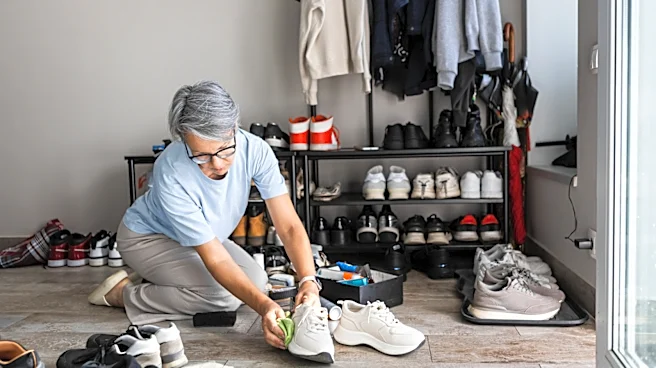
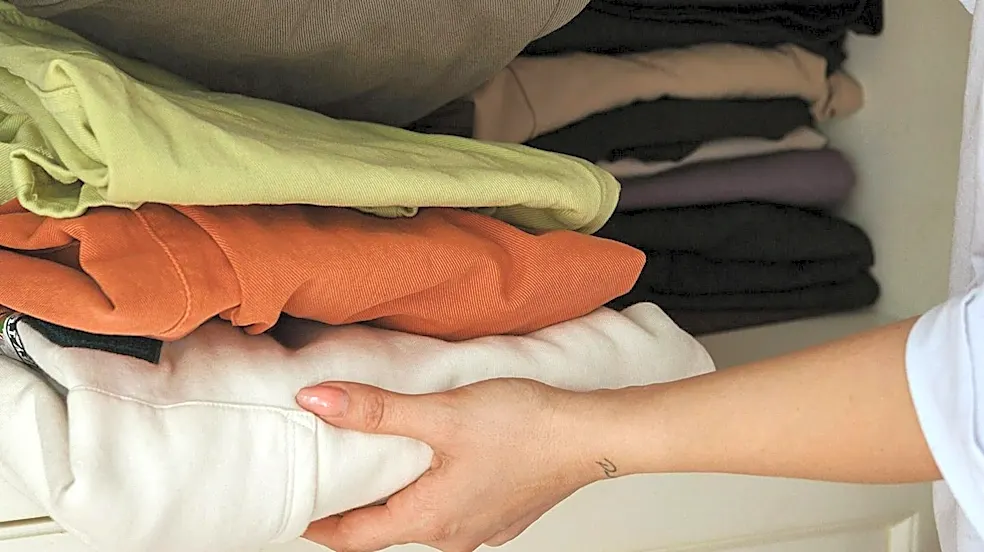
founder of Carrie on Organizing, encourages individuals to integrate decluttering into their daily lives through small, manageable tasks. Unlike traditional organizing strategies that often demand significant time and energy for complete overhauls, soft decluttering focuses on making peace with imperfection and naturally releasing items over time. For instance, instead of planning to 'organize the kitchen,' one might choose a smaller task like decluttering a single drawer. This approach aims to reduce the mental and physical burden often associated with extensive organizing projects, making the process more sustainable and less overwhelming.
Why It's Important?
The 'soft decluttering' method is important because it addresses a common barrier to home organization: the perceived overwhelming nature of large-scale cleanouts. By promoting small, consistent efforts, it makes decluttering accessible to a wider audience, including those with limited time or energy. This shift in approach can lead to more sustainable habits, preventing clutter from accumulating in the first place. For individuals, it offers a less stressful path to a more organized living space, potentially improving mental well-being and reducing feelings of being overwhelmed by household tasks. From a broader perspective, if widely adopted, this method could influence consumer behavior towards more mindful consumption and disposal, potentially reducing waste and encouraging a more minimalist lifestyle without the pressure of extreme minimalism.
What's Next?
The 'soft decluttering' method is expected to continue gaining popularity as more people seek less daunting ways to manage their living spaces. Professional organizers like Carrie Wallick anticipate that this approach will foster long-term habits, making decluttering an ongoing, integrated part of daily routines rather than a sporadic, dreaded chore. While it may not be sufficient for severely cluttered spaces, its principles can still be applied to maintain order once a larger initial decluttering has occurred. The method's emphasis on small, consistent actions suggests a future where home organization is viewed as a continuous process of maintenance rather than a series of overwhelming projects, potentially leading to a more relaxed and functional approach to home management for many.
Beyond the Headlines
Beyond its immediate practical benefits, the 'soft decluttering' method touches upon deeper psychological and cultural implications regarding our relationship with possessions. It challenges the prevailing notion that organization must be a perfect, 'magazine-ready' endeavor, instead promoting self-compassion and acceptance of imperfection. This shift can alleviate the pressure to conform to unrealistic aesthetic standards, fostering a healthier mindset about one's home environment. Culturally, it reflects a growing desire for sustainable practices and a move away from consumerism-driven accumulation, encouraging individuals to thoughtfully consider what truly serves them. Ethically, by advocating for gradual release of items, it subtly promotes responsible disposal and donation, contributing to a more circular economy and reducing landfill waste over time.