



What's Happening?
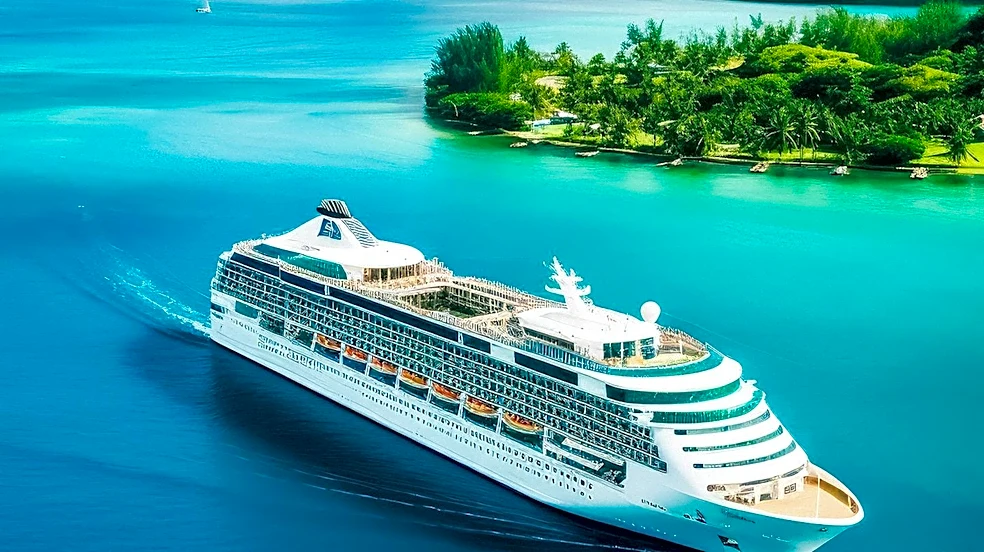
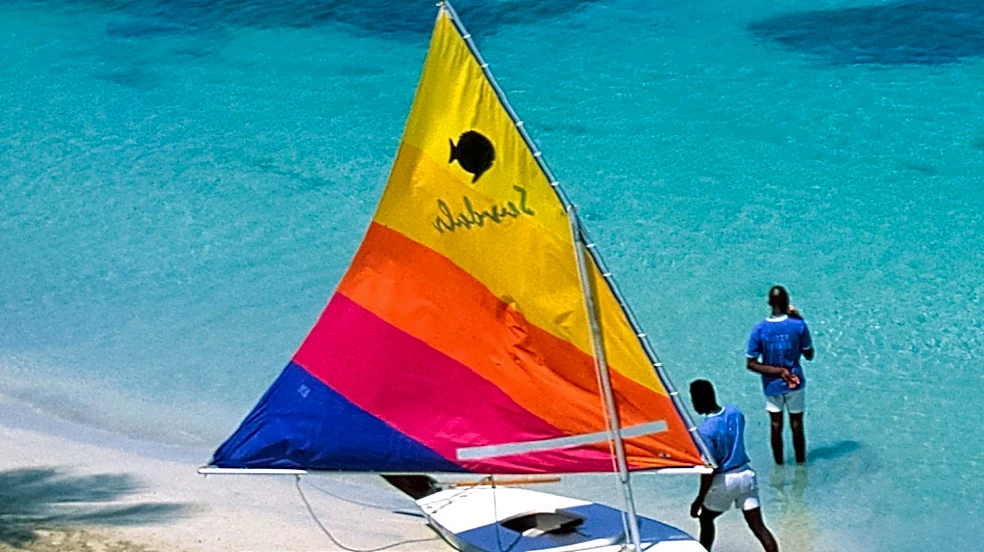
Antigua and Barbuda is actively promoting itself as a premier destination for 'soft adventure' travel. This tourism strategy emphasizes leisurely and accessible activities designed for a wide range of visitors. The offerings include relaxed beach walks
along its numerous shores, comprehensive island explorations, visits to historical sites, and scenic sunset cruises. The destination highlights its 365 beaches and picturesque Caribbean sunsets as key attractions that enhance these easy-going adventures. The aim is to provide memorable experiences that combine relaxation with exploration, catering to all ages and fitness levels. This approach positions Antigua and Barbuda as a place where visitors can enjoy the natural beauty and cultural heritage without engaging in strenuous or high-intensity activities. The focus is on creating an environment where every moment is an opportunity for gentle discovery and enjoyment, ensuring that both serene relaxation and engaging exploration are readily available to tourists.
Why It's Important?
This strategic focus on soft adventure travel by Antigua and Barbuda is significant for the U.S. tourism market, as it directly targets a growing segment of American travelers seeking less strenuous but still engaging vacation options. Many U.S. tourists, including families and older adults, prefer experiences that offer cultural immersion and natural beauty without the physical demands of traditional adventure tourism. By emphasizing leisurely activities, Antigua and Barbuda can attract a broader demographic from the U.S., potentially increasing visitor numbers and tourism revenue. This approach also aligns with evolving travel trends where wellness and accessible experiences are becoming increasingly popular. For U.S. travel agencies and tour operators, understanding this niche allows them to tailor packages that meet the specific desires of clients looking for a blend of relaxation and gentle exploration, thereby expanding their market reach and offerings. The success of this strategy could influence other Caribbean destinations to adapt similar tourism models.
What's Next?
Antigua and Barbuda is expected to continue its marketing efforts to highlight its soft adventure offerings, likely through digital campaigns, partnerships with U.S. travel agencies, and participation in international tourism expos. The destination may further develop its infrastructure to support these activities, such as enhancing accessibility to historical sites and improving tour services for sunset cruises and island explorations. There could also be an increase in specialized tour packages designed to combine multiple soft adventure elements, catering to different interests within this segment. The success of this initiative will likely be measured by an increase in tourist arrivals from key markets like the U.S. and positive visitor feedback. Other Caribbean nations might observe Antigua and Barbuda's strategy and consider adopting similar approaches to diversify their tourism appeal, potentially leading to a broader trend of 'soft adventure' promotion across the region.
Beyond the Headlines
The emphasis on soft adventure travel by Antigua and Barbuda reflects a broader shift in global tourism towards more sustainable and inclusive travel experiences. This approach not only caters to a wider demographic but also promotes a slower, more appreciative form of tourism that can have a lower environmental impact compared to high-intensity adventure sports. Ethically, it encourages visitors to engage more deeply with the local culture and natural environment at a comfortable pace, fostering a greater sense of connection and respect. Economically, by diversifying its tourism product, Antigua and Barbuda can build a more resilient tourism industry, less reliant on niche markets and more appealing to a consistent flow of visitors. This strategy also subtly promotes the idea that adventure doesn't always mean extreme sports, but can also be found in gentle exploration and appreciation of natural beauty, potentially influencing how U.S. travelers perceive and plan their vacations.