







What's Happening?
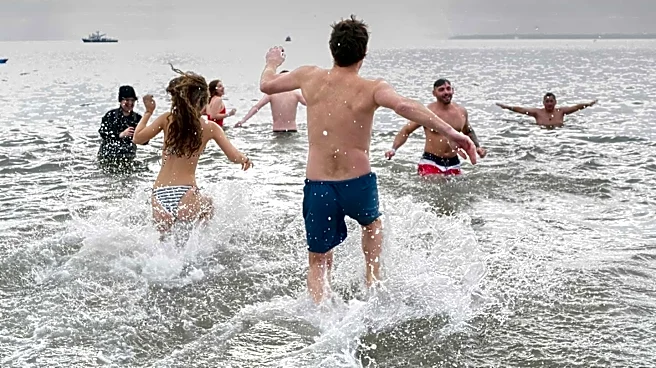
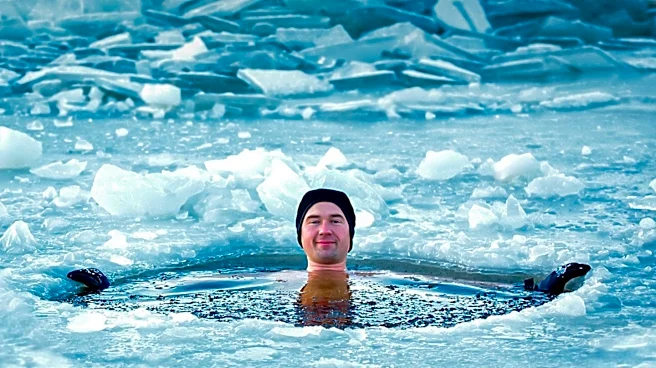
The practice of cold plunging, while gaining popularity for purported wellness benefits, carries significant physiological risks, particularly during the initial moments of immersion. The primary immediate danger is the involuntary gasp reflex, known
as cold shock, which occurs within seconds of entering water below approximately 15°C (59°F). This reflex causes a sharp inhalation, a rapid increase in breathing rate, and a surge in blood pressure and heart rate. Most cold-water fatalities happen in these opening minutes, often linked to this gasp reflex combined with panic or facial submersion, which can lead to drowning due to involuntary hyperventilation. Beyond cold shock, individuals with pre-existing heart conditions face a heightened risk of cardiac strain and arrhythmia. This is due to an 'autonomic conflict' where the cold triggers a dive response that slows the heart, while the cold shock response simultaneously attempts to speed it up. This physiological tug-of-war can induce dangerous arrhythmias, especially if the face is submerged and breath is held. Hypothermia, a progressive drop in core body temperature, is a later-stage risk, and 'after-drop' can cause core temperature to continue falling even after exiting the water.
Why It's Important?
Understanding the risks associated with cold plunges is crucial for public health and safety, especially as the practice becomes more widespread. The emphasis on immediate dangers like cold shock and cardiac strain, rather than just hypothermia, highlights that even short exposures can be life-threatening for susceptible individuals. This information is vital for healthcare providers, wellness centers offering cold plunge services, and individuals considering the practice. For the wellness industry, it underscores the need for rigorous screening, supervision, and clear communication of risks to clients. Failure to do so could lead to serious health incidents, legal liabilities, and damage to industry reputation. For individuals, particularly those with cardiovascular disease, uncontrolled hypertension, epilepsy, or who are pregnant, the risks are materially higher, making medical consultation before participation essential. The distinction between unproven long-term benefits and documented acute risks necessitates a cautious approach, prioritizing safety over perceived wellness trends.
What's Next?
To mitigate the risks associated with cold plunges, several measures are recommended. Individuals should undergo pre-screening, including reviewing medications and personal or family history of arrhythmia, and avoid alcohol before plunging. Gradual entry into the cold water, controlling breathing, and wetting the face and neck beforehand can help blunt the cold shock reflex. Sessions should be kept short, especially for beginners, and never undertaken alone, with supervision and rescue readiness being critical. Proper rewarming after immersion, involving drying off, layering warm clothing, and sipping warm drinks, is also essential, avoiding immediate hot baths which can destabilize blood pressure. The wellness industry is expected to implement stricter protocols, including comprehensive pre-screening questionnaires, trained staff, and clear guidelines on immersion duration and post-immersion care. Continued research into the long-term benefits and optimal practices for cold exposure is also necessary to provide evidence-based recommendations and further inform public safety guidelines.
Beyond the Headlines
The growing popularity of cold plunges reflects a broader societal trend towards seeking alternative wellness practices, often driven by anecdotal evidence and social media. This highlights a critical need for greater public education on the scientific basis of such practices, distinguishing between perceived benefits and documented risks. The emphasis on immediate physiological dangers like cold shock and cardiac events, rather than just hypothermia, challenges the common perception that cold exposure risks are solely about prolonged immersion. This shift in understanding could influence how other extreme wellness trends are evaluated and regulated. Ethically, there's a responsibility for providers of cold plunge services to prioritize client safety over commercial interests, ensuring thorough screening and supervision. Culturally, the embrace of cold plunging also speaks to a desire for resilience and physical challenge, but this must be balanced with an informed understanding of individual physiological limitations and potential hazards.