





What's Happening?
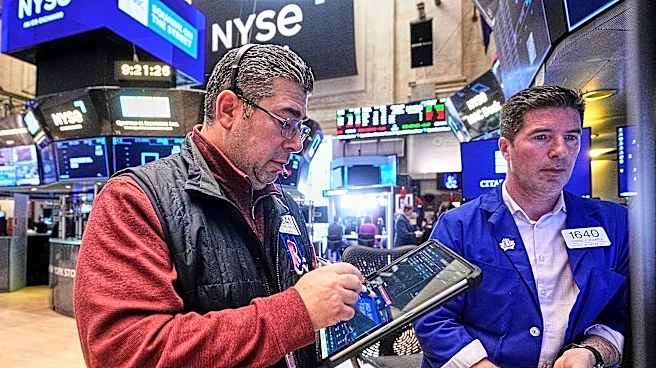
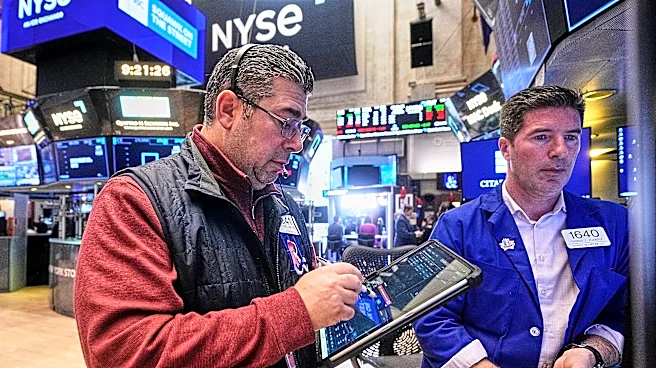
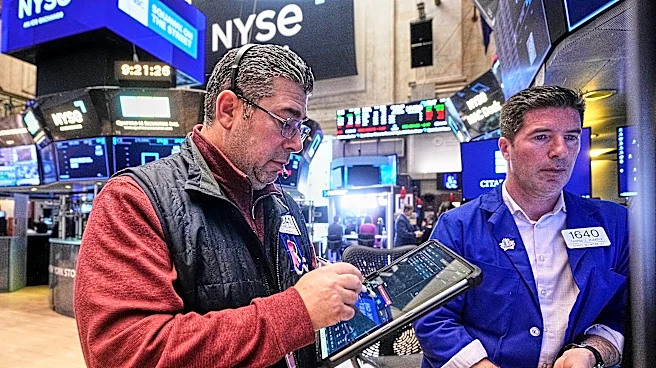
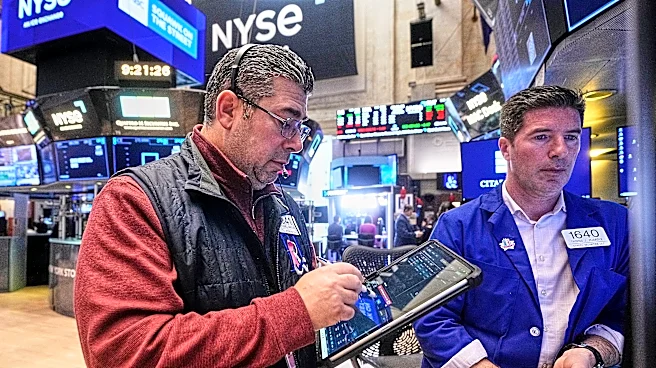
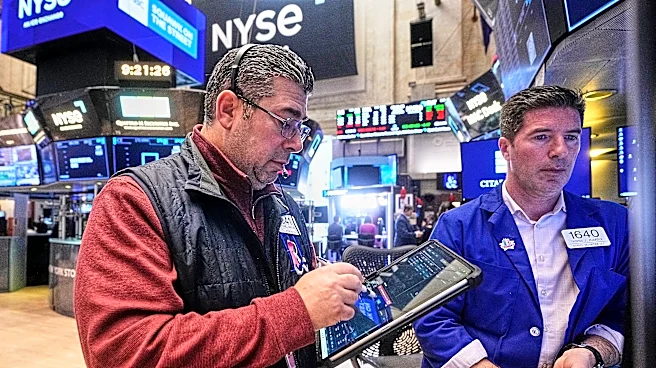
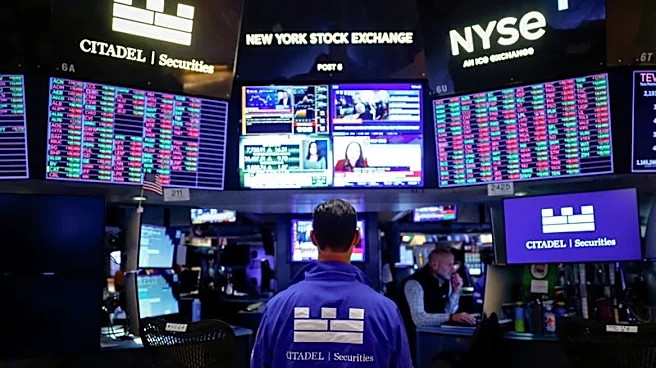
The U.S. stock market has experienced a significant downturn, resulting in a loss of over a trillion dollars in market value. This substantial drop is primarily attributed to investor concerns regarding the massive expenditures on artificial intelligence
(AI) infrastructure and the uncertainty surrounding the return on these investments. Earnings reports from various companies have also played a role in driving markets down. NBC News' Brian Cheung reported on the situation from Wall Street, highlighting the impact of these concerns on investor sentiment. Additionally, the report touched upon a hack on the crypto exchange Binance, though the primary focus of the market decline was linked to AI investment anxieties and corporate earnings.
Why It's Important?
A market drop of over a trillion dollars has significant implications for the U.S. economy and individual investors. Such a substantial loss in value can erode retirement savings, impact investment portfolios, and potentially signal broader economic anxieties. For businesses, particularly those heavily invested in AI development, investor skepticism about the profitability of these ventures could lead to reduced funding, slower innovation, or a re-evaluation of strategic priorities. The tech sector, which has seen considerable growth fueled by AI enthusiasm, is particularly vulnerable to these shifts in market sentiment. This event underscores the volatile nature of emerging technologies and the challenges investors face in accurately valuing future returns on large-scale technological investments. It also highlights the interconnectedness of market sentiment, corporate earnings, and technological advancements.
What's Next?
In the immediate future, market analysts will closely monitor upcoming earnings reports and economic indicators to gauge whether the current downturn is a temporary correction or the beginning of a more prolonged period of market instability. Companies heavily invested in AI will likely face increased scrutiny regarding their spending efficiency and their ability to demonstrate tangible returns on investment. Investors may adopt a more cautious approach, potentially shifting capital towards more stable assets or demanding clearer pathways to profitability from AI-focused enterprises. Regulatory bodies might also increase their oversight of the AI sector, especially concerning market transparency and investment risks. The broader economic impact will depend on how quickly investor confidence can be restored and whether the underlying concerns about AI profitability can be addressed through clearer business models and successful implementations.
Beyond the Headlines
This market correction goes beyond mere financial figures; it reflects a deeper societal and economic reckoning with the rapid advancement of artificial intelligence. The 'AI buildout' represents a massive reallocation of capital and resources, akin to previous industrial revolutions. However, the path to profitability and societal benefit from AI is still being defined, leading to speculative bubbles and periods of investor doubt. This situation raises questions about the sustainability of current tech valuations, the ethical implications of AI development, and the potential for market overcorrection if expectations are not met. It also highlights the tension between technological optimism and financial prudence, suggesting that while AI promises transformative change, its economic integration will be a complex and potentially volatile process, impacting everything from labor markets to global competitiveness.