






What's Happening?
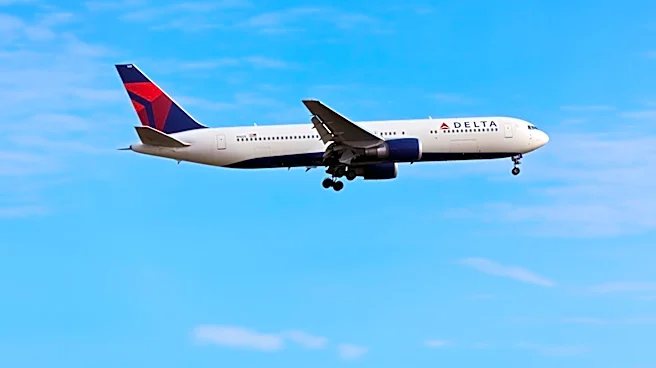
Delta Air Lines CEO Ed Bastian has emphasized the critical role of credit card partnerships, particularly with American Express, in bolstering the airline's profitability. According to NPR, Delta's American Express card program is projected to generate
over $9 billion this year, significantly surpassing the airline's predicted pretax profit of $4.5 billion. This revenue stream has become increasingly vital as jet fuel costs have risen substantially compared to the previous year. Bastian described the relationship with American Express as mutually beneficial, stating, 'They are our No. 1 partner in the world, and we are theirs.' These partnerships involve airlines receiving payments for each credit card account, as well as for perks utilized by cardholders, such as lounge access and earned miles. The evolving nature of these programs, as noted by Volodymyr Bilotkach, an associate professor of aviation management at Purdue University, includes practices like unbundling services and using them as rewards to incentivize loyalty.
Why It's Important?
The reliance of major U.S. airlines like Delta on credit card partnerships for a substantial portion of their revenue signifies a significant shift in the airline business model. This strategy helps airlines mitigate the impact of volatile operational costs, such as fuel prices, by creating a more stable and predictable income stream. For consumers, these programs offer perks and rewards, but also contribute to an increasing differentiation between frequent and occasional flyers, as airlines use these benefits to reward loyalty. The financial health of airlines, supported by these partnerships, has broader implications for the travel industry, employment, and the overall U.S. economy. The substantial revenue generated from these programs allows airlines to invest in fleet upgrades, route expansion, and customer service, while also potentially influencing ticket pricing strategies. The 'breakage' phenomenon, where earned rewards are never redeemed, also provides airlines with additional 'free money,' further enhancing their financial standing.
What's Next?
The trend of airlines leveraging credit card partnerships is expected to continue evolving, with potential for further integration of loyalty programs into the core business strategy. As airlines seek to maximize revenue and manage costs, they may explore new ways to enhance these partnerships, potentially leading to more exclusive benefits for cardholders or more complex reward structures. Consumer advocates will likely continue to monitor these programs for issues such as point devaluation or opaque terms. For consumers, it will be crucial to exercise common sense when engaging with these credit cards, avoiding high fees or overspending solely to chase airline status. The ongoing development of these programs will likely shape how airlines compete for customers and manage their financial stability in the face of fluctuating market conditions.
Beyond the Headlines
The increasing financial interdependence between airlines and credit card companies raises questions about the true nature of the airline industry. As John Breyault of the International Consumers League suggests, airlines are, in many ways, becoming 'banks that just happen to fly airplanes.' This shift blurs the lines between traditional airline operations and financial services, potentially leading to new regulatory challenges and consumer protection concerns. The focus on loyalty programs and credit card perks also highlights a broader societal trend towards incentivized consumption and the commodification of customer data. The ethical implications of 'breakage' – where unredeemed rewards contribute to airline profits – could also become a point of contention, prompting discussions about fairness and transparency in loyalty programs. This evolving landscape could redefine consumer expectations for travel and financial services.