






What's Happening?
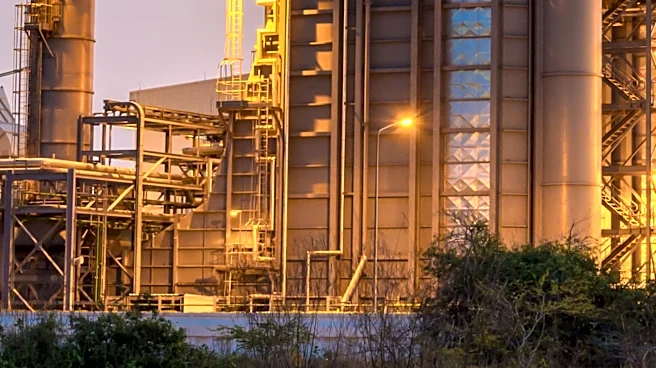
CHS Inc., a leading farmer-owned cooperative, and OCP North America, a subsidiary of OCP Group, are planning a joint venture to construct and operate a phosphate fertilizer production facility in Waggaman, Louisiana. This proposed plant, to be located
at the Cornerstone Energy Park, is projected to produce over 1 million metric tonnes of phosphate-based fertilizer annually. If approved, it would be the first facility of its kind built in the United States since 1984. The OCP Group will supply phosphoric acid to the facility, leveraging its global expertise and resources. Finished fertilizer products will be distributed through both OCP North America and CHS's extensive network, serving cooperatives, retailers, and farmers across the U.S. The project aligns with the U.S. government's priority to expand domestic fertilizer production capacity and an application for potential funding has been submitted through the U.S. Department of Agriculture’s Fertilizer Investment & Expansion for Long-term Domestic Supply (FIELDS) program.
Why It's Important?
This initiative is crucial for strengthening the domestic fertilizer supply chain in the United States. The U.S. currently imports approximately 40% of its phosphate-based fertilizer, and domestic reserves are declining. The new plant has the potential to reduce this dependency by more than 48%, enhancing U.S. food security and providing a more reliable, domestically produced supply of essential crop nutrients for American farmers. For CHS, this investment aims to create more value for its farmer-owners by bringing fertilizer production closer to them. The project is also expected to generate significant economic benefits for Louisiana, including approximately 60 permanent, high-impact jobs in Jefferson Parish and 500 construction jobs, with a total job impact estimated at 924 direct and service-support positions.
What's Next?
The proposed joint venture is subject to project-related and funding approvals. If approved, construction of the facility is anticipated to take up to 24 months. Both CHS and OCP North America have also committed to charitable giving in the greater New Orleans area, demonstrating their intent to invest in the local communities where they operate. The application for funding through the U.S. Department of Agriculture’s FIELDS program will be a critical next step in securing the necessary support for the project to move forward. The successful implementation of this project could serve as a model for future domestic production initiatives in critical agricultural inputs.
Beyond the Headlines
Beyond the immediate economic and supply chain benefits, this project highlights a broader strategic shift towards re-shoring critical agricultural input production. The reliance on imported fertilizers has exposed the U.S. to global supply chain vulnerabilities and price fluctuations, impacting farmers' profitability and ultimately consumer food costs. By investing in domestic production, the U.S. aims to mitigate these risks and foster greater self-sufficiency in agriculture. This move could also spur further innovation in fertilizer production technologies and sustainable practices within the U.S., contributing to long-term agricultural resilience and environmental stewardship. The collaboration between a farmer-owned cooperative and an international group also underscores the complex, interconnected nature of modern agribusiness and the need for diverse partnerships to address global challenges.