







What's Happening?
Alexandria, Virginia, has been recognized as the second-best small city in the United States, according to the annual Readers' Choice Awards by Condé Nast Traveler. This ranking places Alexandria just behind Charleston, South Carolina, which secured the top
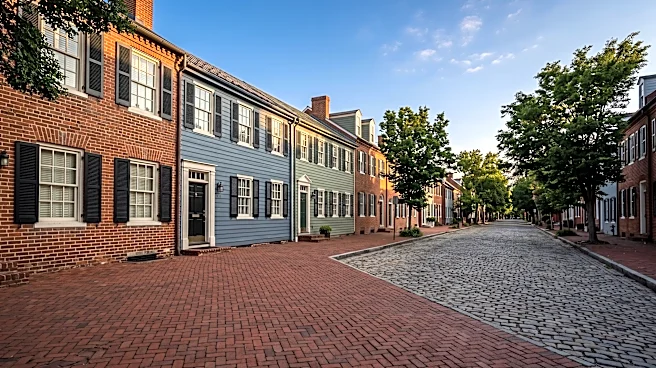
spot. The magazine's readers, numbering nearly 800,000, cast their votes to determine the best cities across the nation. Condé Nast Traveler highlighted Alexandria's appeal, particularly its Old Town and King Street, as well as its vibrant arts and food scene. The publication noted that many visitors are drawn to the city's perfectly preserved 18th and 19th-century rowhouses and red-brick sidewalks, often contemplating a move there after experiencing its charm. In the 'big city' category, Chicago claimed the number one position for the tenth consecutive year, followed by San Francisco, Boston, New York, and Milwaukee.
Why It's Important?
This recognition is significant for Alexandria, Virginia, as it enhances the city's reputation as a desirable destination for tourism and potentially for relocation. High rankings in prestigious travel publications like Condé Nast Traveler can lead to increased visitor numbers, boosting the local economy through tourism-related spending on hotels, restaurants, shops, and cultural attractions. For residents, such accolades can foster civic pride and potentially contribute to property value appreciation. The emphasis on Old Town, King Street, and the arts and food scene suggests that investments in historical preservation, local businesses, and cultural programs are yielding positive results and are key drivers of the city's appeal. This also provides a benchmark for other small cities in the U.S. looking to attract tourists and new residents, highlighting the importance of maintaining historical character and fostering a vibrant community atmosphere.
What's Next?
Following this high-profile ranking, Alexandria can anticipate a potential surge in tourism and interest from prospective residents. Local tourism boards and city officials are likely to leverage this recognition in their marketing campaigns to further promote Alexandria as a premier destination. This could involve targeted advertising, collaborations with travel influencers, and showcasing the specific attributes highlighted by Condé Nast Traveler, such as its historic architecture and culinary scene. The city may also see increased attention from developers and businesses looking to capitalize on its growing popularity, potentially leading to new investments in hospitality, retail, and housing. Furthermore, the ranking could encourage continued focus on urban planning and preservation efforts to maintain the qualities that make Alexandria so attractive to visitors and residents alike.
Beyond the Headlines
The consistent high ranking of cities like Alexandria and Charleston in 'best small city' lists reflects a broader trend in American lifestyle preferences, where charm, historical character, and a strong sense of community are increasingly valued. This goes beyond mere tourism, indicating a desire among many to live in places that offer a high quality of life, walkable neighborhoods, and a rich cultural tapestry, often as an alternative to larger, more bustling metropolitan areas. The emphasis on 'perfectly preserved rowhouses' and 'red-brick sidewalks' in Alexandria underscores the enduring appeal of historical authenticity and architectural heritage. This trend suggests a potential shift in urban development priorities, moving towards preserving and enhancing existing community assets rather than solely focusing on new constructions. It also highlights the economic power of cultural and historical preservation as a driver for local economies.