






What's Happening?
The U.S. fashion industry is facing a significant shift, characterized by a decline in clothing quality, an increase in synthetic materials, and a growing consumer dissatisfaction with fast fashion. According to CNN Business, the global fashion industry produces
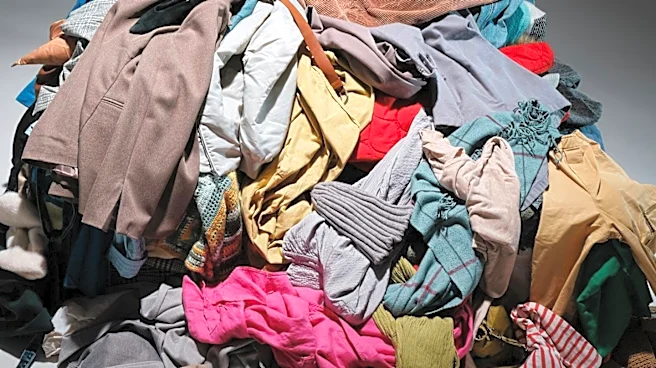
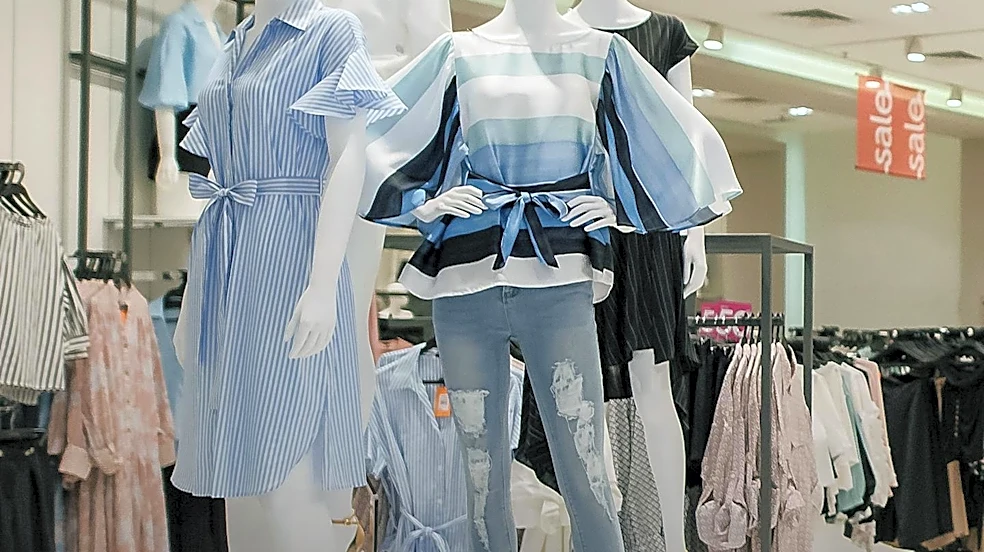
an estimated 100 billion garments and accessories annually, with about 60% containing plastic-based materials like polyester, acrylic, and nylon. These materials are cheaper to produce but do not biodegrade naturally. Dana Thomas, author of 'Fashionopolis,' notes that the average American bought 68 clothing items in 2018, a substantial increase from 12-14 items in 1980. Despite this surge in consumption, apparel prices in the U.S. in 2024 remained similar to 1994 levels, as reported by the Bureau of Labor Statistics. This price stagnation is attributed to brands cutting production costs, often at the expense of labor and material quality. Naomi Mishkin, founder of the Brooklyn-based label Naomi Nomi, represents a counter-movement, producing high-quality, made-to-order garments from natural fibers, which are significantly pricier but designed for longevity.
Why It's Important?
This trend has profound implications for U.S. consumers, the environment, and the domestic manufacturing sector. Consumers are increasingly finding it difficult to purchase durable clothing, leading to a cycle of frequent replacements and increased waste. The prevalence of synthetic fibers contributes to environmental pollution, as these materials do not break down in landfills and can release toxic fumes when incinerated. The shift towards overseas manufacturing for cheap labor, a trend since the 1970s, has also hollowed out the American textile industry. While fast fashion offers affordability, it often comes at the cost of ethical labor practices and environmental sustainability. The rise of brands like Naomi Nomi, which prioritize quality and local production, indicates a potential consumer backlash against the disposable nature of modern fashion. This could lead to a re-evaluation of purchasing habits and a demand for more transparent and sustainable practices within the industry, potentially benefiting domestic manufacturers and skilled laborers.
What's Next?
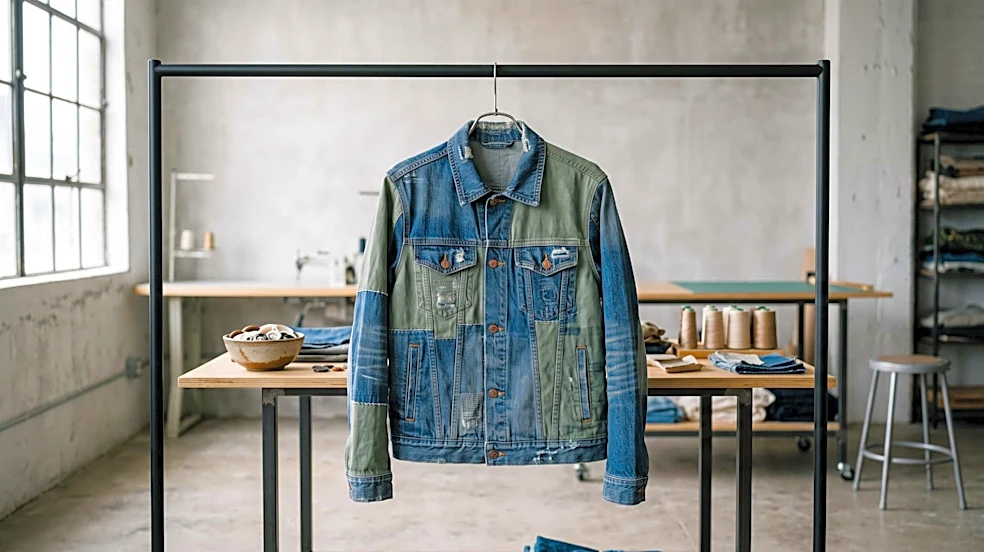
The growing consumer awareness regarding the environmental and ethical costs of fast fashion may drive a demand for more sustainable and higher-quality clothing options. This could lead to increased scrutiny of supply chains and material sourcing within the U.S. fashion industry. Brands that prioritize durability, natural fibers, and ethical production, even if at a higher price point, may see increased patronage from a segment of consumers. Conversely, fast fashion retailers might face pressure to adopt more sustainable practices or risk losing market share to brands that align with evolving consumer values. There could also be a push for greater transparency in production disclosures, including the volume of garments produced and their end-of-life impact. The success of businesses like Naomi Nomi suggests a potential for growth in the 'advanced contemporary' market, bridging the gap between mass-market and luxury brands with a focus on lasting quality.
Beyond the Headlines
The current state of the U.S. fashion industry reflects broader societal and economic shifts, including the impact of globalization, consumer culture, and the pursuit of perpetual growth. The expectation of cheap clothing has normalized practices that externalize costs onto the environment and labor force. This situation raises ethical questions about consumer responsibility, corporate accountability, and the true cost of goods. The 'planned obsolescence' embedded in many modern garments not only contributes to waste but also diminishes the value placed on craftsmanship and durability. The movement towards conscious consumption, exemplified by individuals seeking long-lasting items or shopping secondhand, suggests a cultural shift away from quantity towards quality. This could foster a renewed appreciation for skilled labor and local production, potentially revitalizing domestic industries and promoting a more sustainable relationship with material goods.