


What's Happening?
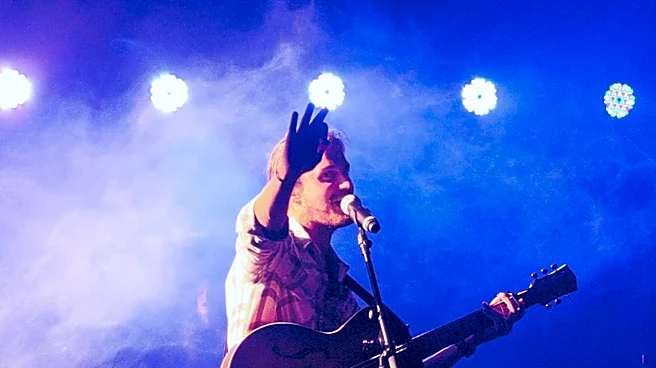
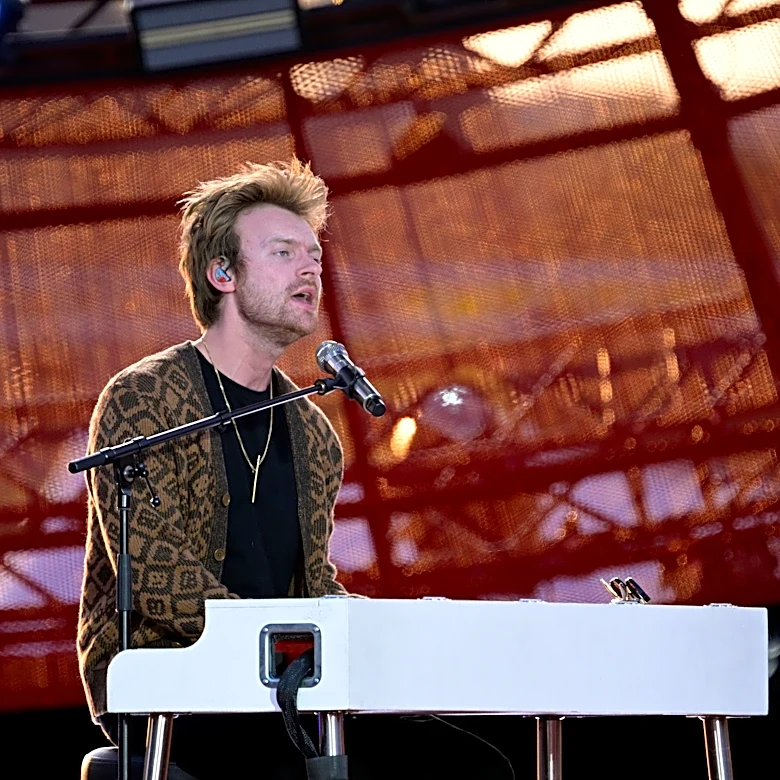
Finneas, known for his work with Billie Eilish, along with Danish pop artist Lukas Graham, Irish singer-songwriter Aaron Rowe, and the Irish folk band Beoga, have all announced their withdrawal from Ed Sheeran's 'Loop Tour'. This collective decision comes
after rapper Macklemore was removed from the tour due to his on-stage comments supporting Palestinians and criticizing Israel's actions in Gaza. Finneas stated on Instagram that artists should not be silenced when speaking for the oppressed and expressed solidarity with Palestine. Lukas Graham cited the difficulty of witnessing civilian deaths and the importance of speaking about war, while Aaron Rowe emphasized his stance against powerful entities silencing voices advocating against what he termed 'Israeli genocide'. Beoga explicitly linked their departure to the 'silencing of Macklemore by zionist lobbies' and their commitment as activists for justice. Macklemore's removal followed pressure from venues, with New England Patriots owner Robert Kraft confirming he would not allow Macklemore to perform at Gillette Stadium due to his 'recent actions, material shared from the stage... and a broader history of antisemitic rhetoric'. Ed Sheeran clarified that the decision to drop Macklemore was made by the promoter, Messina Touring Group, under pressure from venues, not by him personally.
Why It's Important?
This series of withdrawals highlights the increasing tension and politicization within the entertainment industry regarding the Israeli-Palestinian conflict. The artists' decisions to leave a major tour, despite potential career implications, underscore a growing commitment among some public figures to use their platforms for political advocacy. This situation could set a precedent for other artists to take similar stands, potentially leading to more widespread disruptions in tours and events if venues or promoters are perceived as stifling political expression. The involvement of figures like Robert Kraft, a prominent sports team owner, in influencing artistic lineups also raises questions about the intersection of business interests, political views, and artistic freedom. For fans, these developments mean potential changes to concert lineups and a greater awareness of the political stances of their favorite artists. The incident also brings to the forefront the debate around what constitutes acceptable political discourse in public forums and the consequences for those who express views that are deemed controversial by powerful stakeholders.
What's Next?
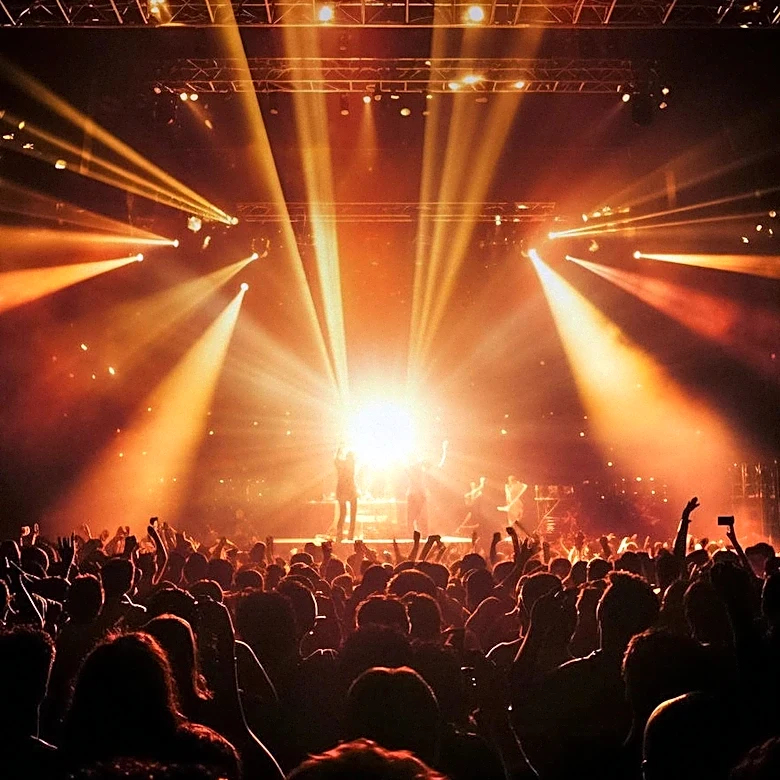
The immediate future of Ed Sheeran's 'Loop Tour' remains uncertain, particularly regarding replacement openers for the South American and remaining U.S. legs. The withdrawals could prompt other artists to reconsider their participation in tours where similar controversies have arisen, potentially leading to further artist boycotts or demands for contractual clauses protecting freedom of expression. Promoters and venues may face increased scrutiny and pressure from both artists and activist groups regarding their policies on political speech. This incident could also spark broader discussions within the music industry about the role of artists in political discourse and the responsibilities of venues and promoters in upholding or restricting such expression. The public will likely continue to monitor the reactions of other artists and industry figures, and the long-term impact on artist-promoter relationships and tour logistics could be significant. The debate over artistic freedom versus commercial interests in politically charged environments is expected to intensify.
Beyond the Headlines
This situation delves into the complex interplay between artistic expression, corporate power, and geopolitical conflicts. The artists' decisions to withdraw, despite the financial and professional implications, reflect a moral stand that prioritizes their political convictions over commercial success. This highlights a broader cultural shift where public figures are increasingly expected, and in some cases feel compelled, to take stances on global issues. The incident also exposes the vulnerability of artists to pressure from powerful individuals and organizations, such as venue owners, who can leverage their influence to shape public discourse. The concept of 'cancel culture' and its application to political speech within the entertainment industry is also brought into sharp focus. Furthermore, the differing interpretations of 'antisemitic rhetoric' versus 'criticism of Israeli actions' underscore the deep divisions and sensitivities surrounding the Israeli-Palestinian conflict, making it a challenging terrain for public figures to navigate without facing significant backlash from various sides. This event could contribute to a re-evaluation of contractual agreements between artists, promoters, and venues to better address issues of free speech and political expression.