
What's Happening?
The Professional Association of Diving Instructors (PADI) has introduced a Shark & Ray Conservation Specialty Course alongside the Global Shark & Ray Census. This initiative aims to raise awareness and
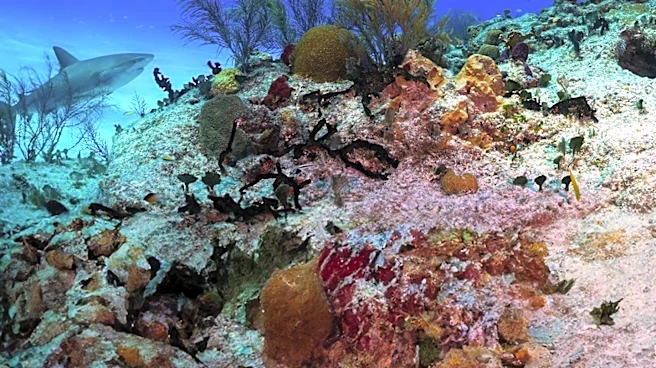
encourage conservation efforts for sharks and rays, which face significant threats from human activities. According to PADI, nearly one-third of shark and ray species are at risk of extinction, with approximately 80 million of these marine creatures killed annually by commercial fishing. The course is designed to educate divers on the importance of these species and to involve them in citizen science by recording shark sightings, contributing to global research efforts. Kristin Valette Wirth, PADI's chief brand and membership officer, emphasized the need for increased awareness and action to protect these species, highlighting the course as a means to combine education with impactful conservation efforts.
Why It's Important?
The introduction of PADI's conservation course is significant as it addresses the urgent need to protect marine biodiversity, particularly sharks and rays, which play crucial roles in maintaining healthy ocean ecosystems. The decline in these species due to overfishing and habitat destruction could lead to imbalances in marine environments, affecting other species and the overall health of the oceans. By engaging divers in conservation efforts, PADI is leveraging the diving community's passion for marine life to foster a global movement towards sustainable practices. This initiative not only raises awareness but also empowers individuals to contribute to scientific research, potentially influencing policy changes and conservation strategies worldwide.
What's Next?
As the course gains traction, it is expected that more divers will participate in the Global Shark & Ray Census, providing valuable data to researchers and conservationists. This increased participation could lead to more comprehensive studies on shark and ray populations, informing better management and protection policies. Additionally, the success of this initiative may inspire other organizations to develop similar programs, further amplifying conservation efforts. Stakeholders such as environmental NGOs, governments, and the tourism industry may collaborate to enhance marine protection measures, ensuring the sustainability of these vital species and their habitats.