




What's Happening?
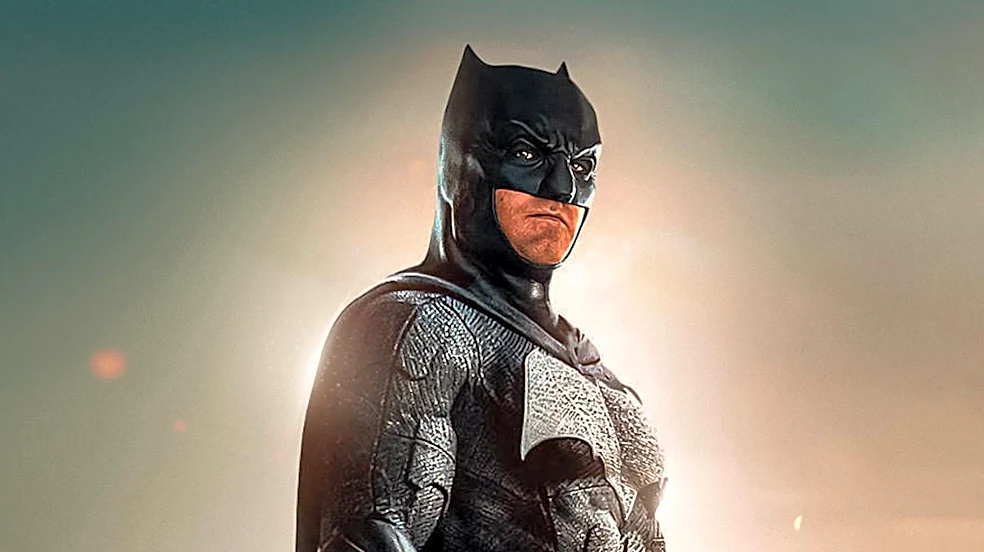
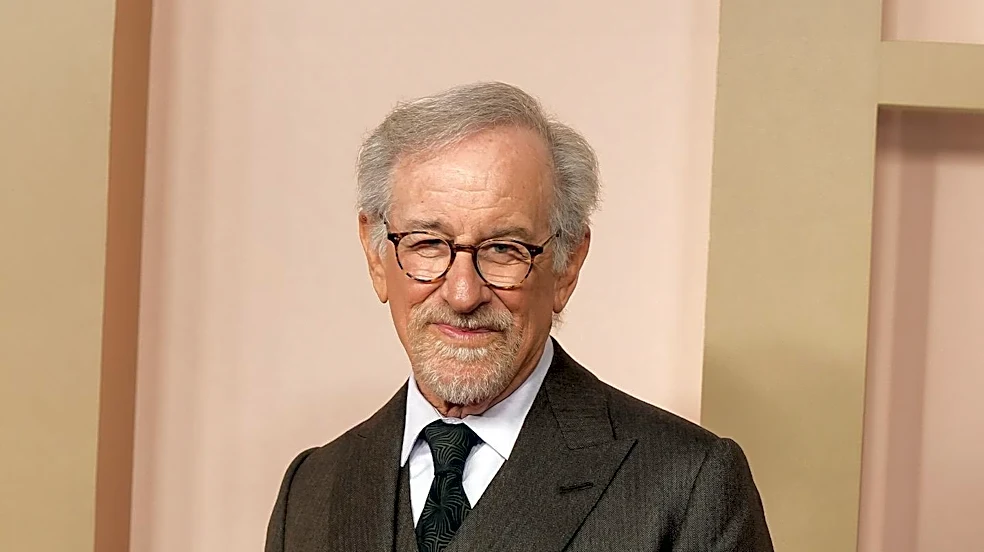
Renowned filmmaker Steven Spielberg has publicly stated that Christopher Nolan's 2008 film, 'The Dark Knight,' deserved a Best Picture Oscar nomination. Spielberg made these comments in a 2023 interview with Deadline, reflecting on the Academy Awards'
past nominations. He specifically mentioned that with the current rule allowing for up to 10 Best Picture nominees, 'The Dark Knight' would undoubtedly have secured a spot. The film, a critical and commercial success, earned over a billion dollars globally and received eight Academy Award nominations, winning two: a posthumous Oscar for Heath Ledger's performance as the Joker and one for Sound Editing. However, it was notably absent from the Best Picture category, a decision that has been debated by film enthusiasts and industry professionals for years. Spielberg's endorsement adds significant weight to the argument, given his extensive experience and numerous accolades from the Academy, including multiple Best Picture and Best Director wins.
Why It's Important?
Steven Spielberg's assertion highlights a long-standing discussion within the film industry regarding the recognition of blockbuster and genre films by prestigious awards like the Oscars. His comments underscore a perceived disconnect between critical and popular acclaim and the Academy's traditional preferences. For 'The Dark Knight,' a superhero film, to receive such high praise from a director of Spielberg's stature validates its artistic merit beyond its commercial success. This discussion is crucial for the evolution of cinematic awards, as it challenges the notion that certain genres are inherently less deserving of top honors. It also reflects a broader shift in how the industry and audiences view superhero films, moving them from mere entertainment to serious cinematic achievements. This recognition could influence future Academy voting patterns, potentially opening doors for more diverse film types to be considered for major awards.
What's Next?
Spielberg's remarks may reignite conversations within the Academy of Motion Picture Arts and Sciences about the criteria for Best Picture nominations and the inclusion of genre films. While 'The Dark Knight' cannot retroactively receive a nomination, the sentiment expressed by a figure as influential as Spielberg could encourage a more inclusive approach in future award cycles. This might lead to increased consideration for critically acclaimed blockbusters and genre films that push artistic boundaries. Filmmakers and studios producing high-quality genre content may feel more encouraged to submit their work for top awards, anticipating a more receptive environment. Additionally, this could influence public perception, further legitimizing superhero films and other genre productions as serious contenders in the cinematic landscape, potentially impacting box office performance and critical reception for upcoming releases.
Beyond the Headlines
The deeper implication of Spielberg's statement touches upon the ongoing debate about what constitutes 'art' in cinema and how it should be recognized. Historically, the Academy has often favored dramas and independent films, sometimes overlooking commercially successful movies that also demonstrate significant artistic achievement. Spielberg's advocacy for 'The Dark Knight' challenges this traditional hierarchy, suggesting that a film's genre should not be a barrier to its recognition as a masterpiece. This conversation extends beyond just superhero movies, impacting how science fiction, fantasy, and other genre films are perceived. It raises questions about whether the Academy's voting body truly reflects the evolving tastes and artistic innovations within the broader film industry. Ultimately, this discussion could contribute to a more democratic and representative awards system that values artistic excellence across all cinematic forms.