




What's Happening?
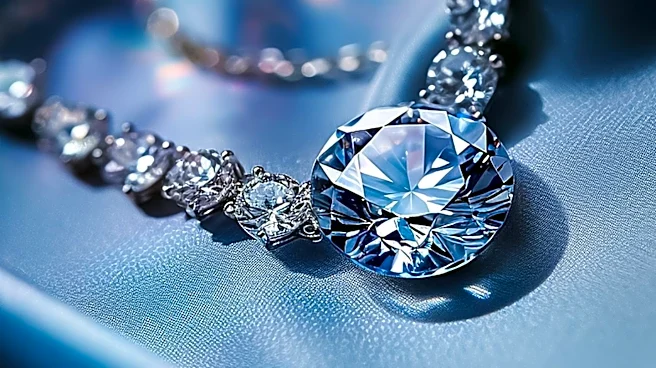
Japanese consumers are driving luxury jewelry sales to record levels as they seek safe havens from inflation and a weakening yen. Sales of gems, precious metals, and artwork at Japan's department stores increased by 19% in the first half of 2026, reaching
¥330 billion ($2 billion), the highest since records began in 2008. The yen's depreciation to nearly ¥164 per dollar, its lowest since the 1980s, and a 1.6% rise in core consumer prices in June are prompting consumers to invest in assets perceived as better stores of value. This trend is particularly evident in the increased demand for gold, as consumers shift their spending habits.
Why It's Important?
The surge in jewelry sales highlights a significant shift in consumer behavior in response to economic pressures. As the yen weakens and inflation rises, Japanese consumers are increasingly turning to tangible assets like gold and jewelry as a hedge against economic instability. This trend underscores the broader impact of currency fluctuations and inflation on consumer spending patterns. For businesses, particularly those in the luxury goods sector, this presents both opportunities and challenges. Companies that can capitalize on the demand for gold and precious metals may see increased revenues, while those reliant on imports may face higher costs due to the weaker yen.
What's Next?
If the yen continues to weaken and inflation persists, the trend of investing in gold and jewelry is likely to continue. This could lead to sustained high sales in the luxury goods sector, prompting businesses to adjust their strategies to meet consumer demand. Additionally, the Japanese government may need to consider measures to stabilize the yen and address inflation to prevent further economic strain. For consumers, the focus on tangible assets may continue as they seek to protect their wealth in uncertain economic times.