







What's Happening?
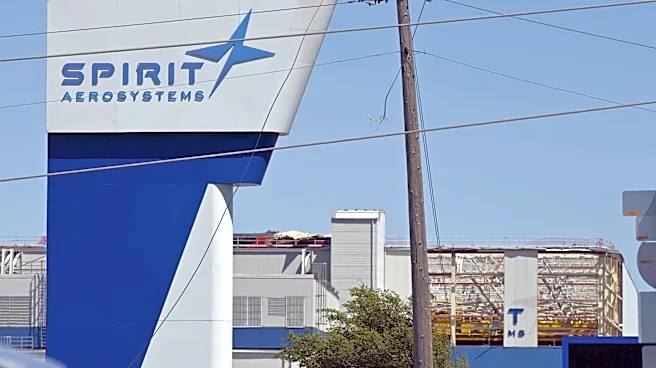
Spirit AeroSystems, a wholly owned subsidiary of The Boeing Company, is actively seeking a Mid-Level Continuous Improvement Specialist for its Defense Business Unit in Wichita, Kansas. This role is crucial for supporting the achievement of a Lean culture
within Spirit Defense, an independent supplier to the defense and space marketplace. The specialist will be responsible for providing guidance on Lean principles, methodologies, and tools, as well as evaluating current situations, determining project scopes, and analyzing existing processes. Key duties include developing Lean strategies, selecting appropriate Lean tools and training, and coaching cross-functional teams in their application. The position also involves facilitating Kaizen events, implementing Lean strategies to meet customer expectations, and performing trend analysis of shop performance to identify improvement opportunities. Candidates are expected to have 3-5 years of related work experience, strong computer skills in Microsoft Project, Excel, PowerPoint, and Word, and proven Lean Manufacturing experience. The role requires excellent communication skills, the ability to manage with influence, and cross-functional coordination and leadership.
Why It's Important?
This hiring initiative by Spirit AeroSystems underscores the company's commitment to operational excellence and efficiency within its defense sector. By investing in continuous improvement specialists, Spirit Defense aims to enhance its capabilities in engineering and rapid prototyping, which are critical for meeting the demands of the defense and space marketplace. The focus on Lean principles and methodologies suggests a strategic effort to reduce waste, improve quality, and optimize production processes, ultimately leading to cost savings and increased competitiveness. For the U.S. defense industry, this could translate into more efficient delivery of essential components and systems, potentially impacting national security objectives. Furthermore, the position offers a Kansas Aviation tax credit, highlighting state-level efforts to attract and retain skilled labor in the aerospace sector, which is a significant economic driver for the region. The requirement for a U.S. Security Clearance also emphasizes the sensitive nature of the work and the importance of national security considerations in defense manufacturing.
What's Next?
The recruitment process for the Mid-Level Continuous Improvement Specialist will proceed with candidate evaluations based on the outlined qualifications, including experience in Lean Manufacturing and the ability to obtain a U.S. Secret Clearance. Once hired, the specialist will integrate into Spirit Defense's operations, focusing on implementing Lean strategies and facilitating continuous improvement initiatives across various projects. This will involve working with cross-functional teams to apply tools such as Value Stream Mapping, 6S, Kanban, and Root Cause Corrective Action. The ongoing application of these methodologies is expected to drive measurable improvements in efficiency and cost savings within the defense business unit. Success in this role could lead to further expansion of Lean practices within Spirit AeroSystems, potentially influencing broader operational strategies. The company's continued investment in such roles suggests a long-term commitment to optimizing its manufacturing processes and maintaining its competitive edge in the aerospace and defense sectors.
Beyond the Headlines
The emphasis on Lean principles within Spirit AeroSystems' defense unit reflects a broader trend in the manufacturing industry towards operational efficiency and waste reduction. This approach is not merely about cost-cutting but also about fostering a culture of continuous improvement, empowering employees, and enhancing overall product quality and delivery speed. In the defense sector, where precision and reliability are paramount, the adoption of Lean methodologies can have profound implications for the performance and safety of critical aerospace components. Beyond the immediate operational benefits, this strategic focus can contribute to a more resilient and agile defense supply chain, capable of adapting to evolving technological demands and geopolitical landscapes. The integration of such practices also highlights the increasing sophistication required in modern manufacturing roles, where specialists are expected to possess both technical expertise and strong leadership and communication skills to drive organizational change. This move by Spirit AeroSystems could serve as a model for other defense contractors seeking to optimize their operations and enhance their contributions to national defense.