






What's Happening?
Many individuals in the U.S. are not consuming enough fiber-rich foods, despite fiber's crucial role in overall health. Dr. James Drake, an SSM Health general surgeon, notes that a diet high in processed foods often leads to insufficient fiber intake.
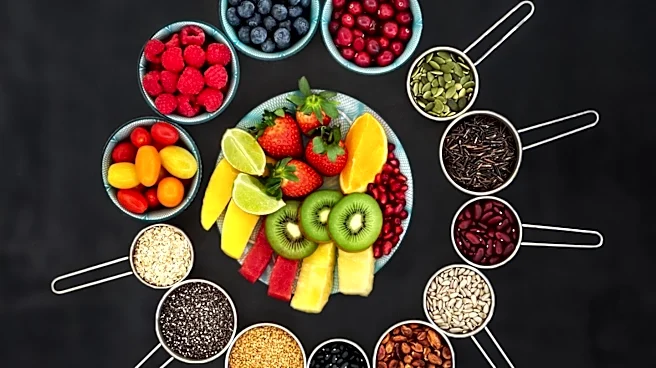
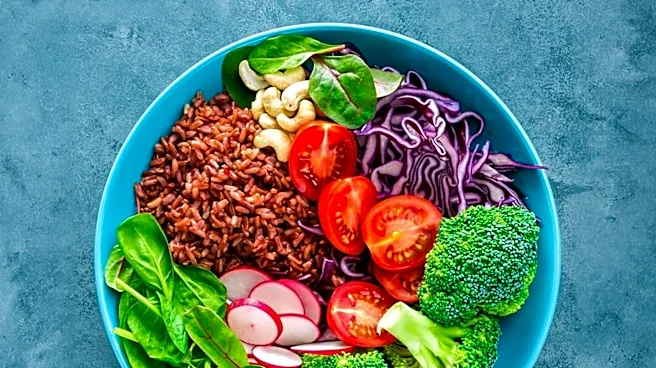
Fiber is essential for nourishing beneficial gut bacteria, regulating bowel movements, and preventing gastrointestinal illnesses. Beyond digestive benefits, a fiber-rich diet can also help lower cholesterol levels, support healthy blood pressure, promote weight management by increasing satiety, and reduce inflammation. There are two main types of fiber: soluble fiber, found in foods like beans, bananas, and oats, which helps slow digestion and stabilize blood sugar; and insoluble fiber, found in whole grains, seeds, and fruit/vegetable skins, which adds bulk to stool and aids digestive transit. A balanced diet should include both types of fiber.
Why It's Important?
The underconsumption of fiber in the U.S. population has significant public health implications, contributing to a range of health issues from digestive problems to chronic inflammation. Addressing this dietary gap could lead to widespread improvements in health outcomes, potentially reducing the burden of conditions like high cholesterol, hypertension, and obesity. The connection between fiber and gut health is particularly critical, as a healthy gut microbiome is increasingly recognized as foundational to overall well-being and immune function. By emphasizing increased fiber intake, healthcare providers and public health initiatives can empower individuals to make simple yet impactful dietary changes. This focus also highlights the importance of whole, unprocessed foods, which naturally contain higher levels of fiber, thereby encouraging healthier eating patterns across the country.
What's Next?
Individuals are encouraged to make small, incremental changes to their diets, such as incorporating more whole fruits, vegetables, and whole grains. For those struggling to meet their fiber needs through diet alone, fiber supplements like psyllium husk may be an option, though proper hydration is crucial to avoid adverse effects. Healthcare providers, including those at SSM Health, are available to help individuals create personalized plans to increase fiber intake. This suggests a continued emphasis on patient education and individualized dietary counseling. Public health campaigns may also play a role in raising awareness about the benefits of fiber and providing practical guidance on how to integrate more fiber-rich foods into daily meals. The food industry might also respond by developing more fiber-fortified products, though the emphasis remains on whole food sources.
Beyond the Headlines
The discussion around fiber intake extends beyond immediate health benefits to broader societal and economic implications. A population with improved digestive health and reduced chronic inflammation could see lower healthcare costs and increased productivity. The promotion of fiber-rich diets also aligns with sustainable food practices, as many high-fiber foods are plant-based and have a lower environmental footprint. Ethically, it raises questions about food accessibility and education, ensuring that all segments of the population have access to affordable, fiber-rich foods and the knowledge to make informed dietary choices. The reliance on processed foods, often low in fiber, is a systemic issue that requires attention from policymakers and food manufacturers to shift towards healthier, more nutrient-dense options. This conversation underscores the interconnectedness of individual health, public policy, and the food system.