





What's Happening?
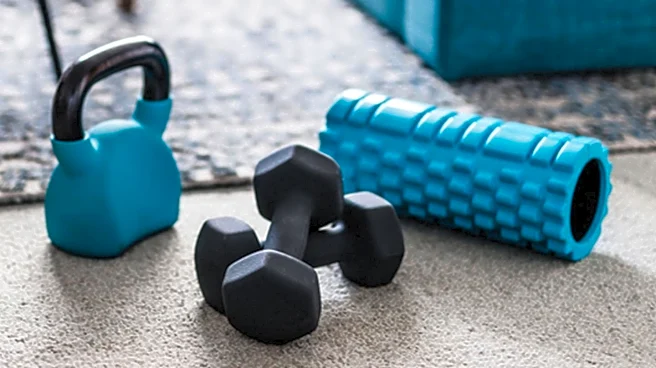
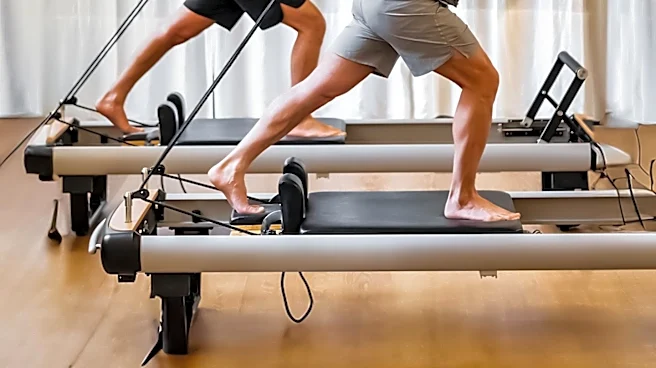
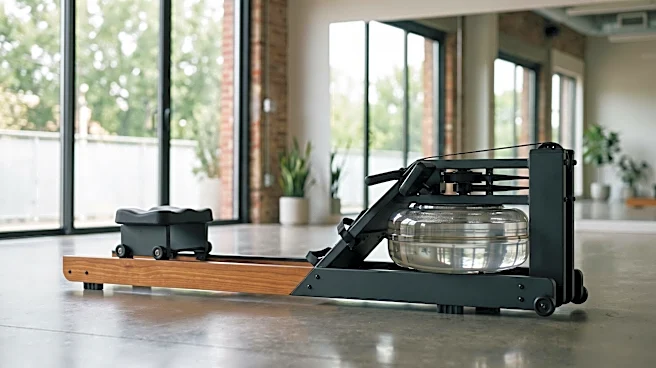
RitFit Sports has released a comprehensive guide on how to build a budget-friendly home gym, specifically targeting Black Friday 2026 shoppers. The guide emphasizes the importance of planning, measuring available space, and comparing complete setups rather
than just advertised discounts. It advises consumers to set a total budget that includes equipment, weights, flooring, delivery, and taxes. The guide outlines different starting routes for home gyms, such as small room setups with dumbbells and mats, barbell training with racks, or multiple stations with cable systems. It also recommends building and upgrading in stages, starting with essential equipment and adding accessories as needed. RitFit Sports highlights the need to compare power cages and home gym packages by their complete, usable setups, checking for included items like benches, bars, and plates. The guide also stresses verifying Black Friday offers, including exact product variants, eligibility, and final costs, as promotions may vary in duration and terms.
Why It's Important?
This guide is crucial for U.S. consumers looking to invest in home fitness, especially with the anticipated Black Friday sales. The increasing popularity of home gyms, driven by convenience and cost-effectiveness, makes such practical advice highly valuable. By focusing on budget and space considerations, RitFit Sports addresses common challenges faced by individuals setting up home workout areas. The emphasis on comparing complete setups and understanding hidden costs like delivery and taxes helps consumers make informed decisions, preventing impulse purchases based solely on discounts. This approach can empower consumers to create functional and sustainable home fitness environments, contributing to improved public health and well-being. For the fitness equipment industry, providing transparent and detailed purchasing advice can build consumer trust and foster long-term customer relationships.
What's Next?
As Black Friday 2026 approaches, consumers are likely to utilize such guides to navigate the myriad of deals on home gym equipment. This could lead to a more strategic purchasing behavior, with a focus on value and suitability rather than just price. Fitness equipment manufacturers and retailers may respond by offering more comprehensive packages and clearer pricing structures to meet consumer demand for transparency. The trend of building home gyms in stages could also influence product design, with companies developing modular and expandable equipment. Furthermore, the continued growth of the home fitness market may spur innovation in space-saving designs and versatile equipment that caters to diverse workout needs and living situations.
Beyond the Headlines
The rise of home gyms, supported by resources like the RitFit guide, reflects a broader cultural shift towards personalized and accessible fitness. This trend challenges traditional gym memberships and highlights a desire for greater autonomy and flexibility in health routines. The guide's focus on practical considerations like space and budget also underscores the economic realities many consumers face, making fitness an achievable goal even with limited resources. This democratization of fitness, enabled by affordable and well-planned home setups, could have long-term implications for public health, potentially reducing sedentary lifestyles and promoting consistent physical activity across various demographics. It also emphasizes the importance of consumer education in a market flooded with diverse products and promotional offers.