


What's Happening?
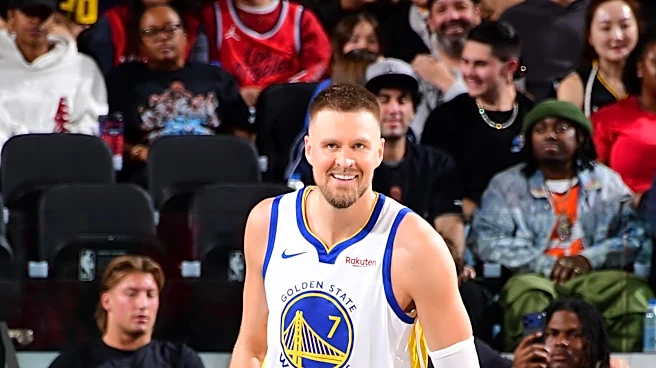
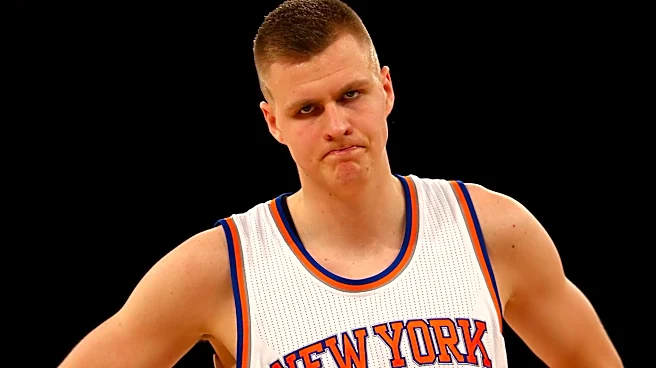
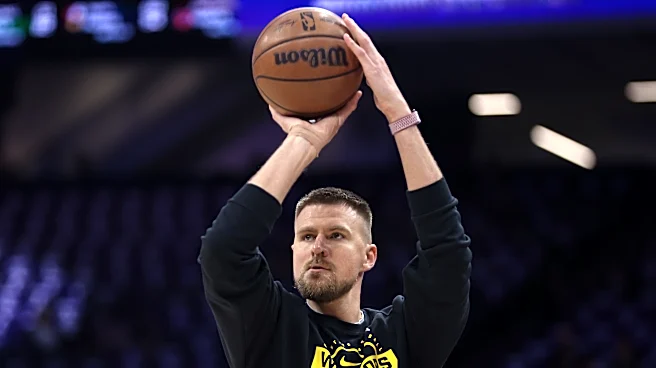
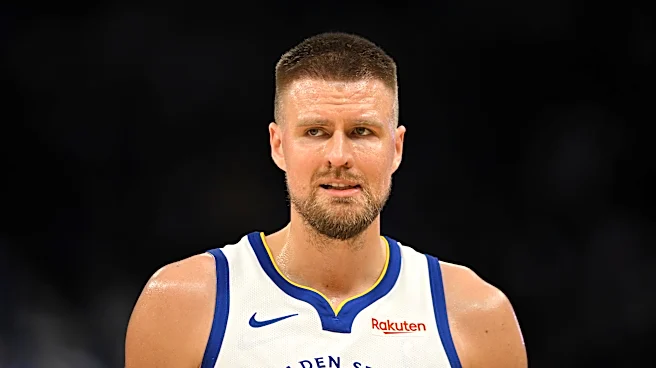
Golden State Warriors center Kristaps Porziņģis has announced his decision to step away from professional basketball due to an undisclosed health issue. The 31-year-old made the announcement via a social media post on Friday, stating that his body did
not respond as anticipated during his ramp-up for the season. Porziņģis emphasized that he is prioritizing his health and is not currently at the level he expects of himself to perform. He did not specify the nature of his health concern or provide a timeline for a potential return to the sport. This development follows a period of uncertainty regarding his status, as the Warriors had previously announced in late September that he would be out indefinitely with a health issue and would not travel with the team for training camp. The team had signed Porziņģis to a two-year, $40 million contract in late June, anticipating his readiness for the current season, despite him missing significant time last season after being acquired in a trade with Atlanta. Porziņģis indicated he intends to work with the Warriors to find a suitable solution.
Why It's Important?
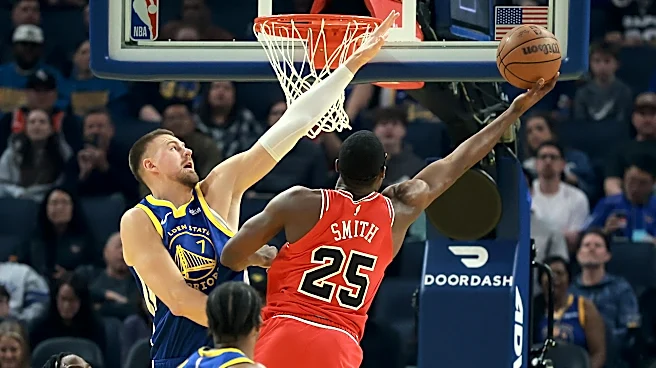
Kristaps Porziņģis's departure from the Golden State Warriors roster due to health concerns carries significant implications for the team's immediate future and strategic planning. As a key acquisition, his absence creates a void in the Warriors' frontcourt, impacting their defensive schemes and offensive versatility. The team had invested a substantial contract in Porziņģis, expecting him to be a crucial contributor, especially given his ability to stretch the floor and protect the rim. His inability to play at the expected level, or at all, forces the Warriors to re-evaluate their roster composition and potentially seek alternative solutions through trades or free agency. This situation could also affect team morale and the overall dynamic, as players adjust to the absence of a projected starter. For Porziņģis, this decision highlights the ongoing challenges professional athletes face with health and longevity, potentially impacting his career trajectory and future earnings. The undisclosed nature of his health issue adds a layer of uncertainty for both the player and the franchise.
What's Next?
The immediate next steps for the Golden State Warriors will involve assessing their current roster to compensate for Kristaps Porziņģis's absence. This may include increased playing time for other big men on the roster or exploring trade options to acquire a suitable replacement. The team will likely engage in discussions with Porziņģis to understand the long-term implications of his health issue and determine the best path forward, which could involve a medical retirement, a prolonged absence, or a potential trade if his contract can be moved. For Porziņģis, the focus will be on his health and recovery, with potential consultations with medical professionals to address his undisclosed condition. His statement about working with the Warriors to find a 'solution that makes sense' suggests ongoing dialogue between the player and the organization regarding his contract and future with the team. The Warriors are currently on a six-game winning streak, demonstrating resilience, but the long-term impact of this development will need to be managed carefully.
Beyond the Headlines
Beyond the immediate impact on the Golden State Warriors' roster, Porziņģis's decision underscores broader issues within professional sports concerning athlete health, contract guarantees, and the pressures to perform. The undisclosed nature of his health issue raises questions about player privacy versus team transparency, especially when significant financial investments are involved. This situation could prompt further discussions within the NBA about player welfare, injury management protocols, and the support systems available to athletes facing chronic or career-threatening health challenges. The financial implications of his contract, particularly if he is unable to return, could also set precedents for how teams manage similar situations in the future. Furthermore, it highlights the unpredictable nature of professional sports careers, where even highly talented and well-compensated athletes can be sidelined indefinitely due to unforeseen health complications, impacting not only their personal careers but also the strategic direction of their teams.