








What's Happening?
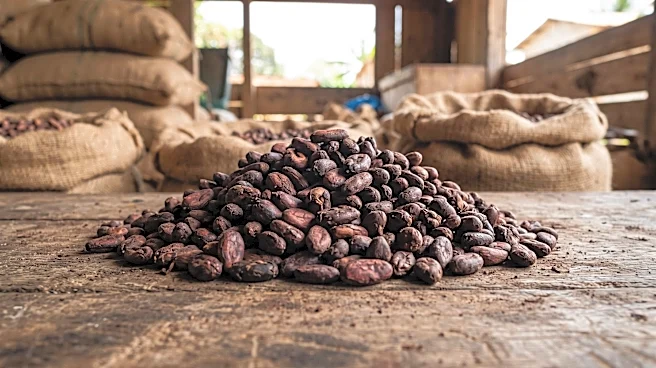
Ivory Coast and Ghana, the world's leading suppliers of cacao, have organized to demand fair prices for their cocoa beans. This collective action by the two West African nations is cited as a significant, though often undiscussed, reason for a perceived
decline in the quality of chocolate in Western markets. Historically, these countries have been central to the global cocoa supply chain, but their efforts to secure equitable compensation for their primary agricultural export are now influencing the end product consumed internationally. The move reflects a broader trend among commodity-producing nations to assert greater control over pricing and value distribution within global trade networks. This development highlights the economic leverage that major producers can exert when acting in concert.
Why It's Important?
This development is important because it signifies a shift in the power dynamics of the global cocoa industry, with potential ripple effects on U.S. businesses and consumers. For U.S. chocolate manufacturers, increased cocoa prices directly impact production costs, which could lead to higher retail prices for chocolate products or a reformulation of products to maintain profit margins, potentially affecting quality. Consumers in the U.S. might experience changes in the availability, cost, and taste of their favorite chocolate brands. This situation also underscores the ethical considerations within global supply chains, as it brings to light the long-standing issue of fair compensation for primary producers in developing nations. The actions of Ivory Coast and Ghana could set a precedent for other commodity-producing countries to demand better terms, influencing various U.S. import markets beyond cocoa.
What's Next?
In the immediate future, U.S. chocolate companies will likely continue to navigate the increased cost of cocoa from Ivory Coast and Ghana. This could involve exploring alternative sourcing strategies, investing in sustainable cocoa farming practices that offer better returns to farmers, or passing on increased costs to consumers. There may also be a push for greater transparency in the cocoa supply chain, as consumers become more aware of the origins and pricing of their chocolate. The long-term implications could include a re-evaluation of trade agreements and pricing structures for agricultural commodities, potentially leading to more equitable global trade practices. This situation might also spur innovation in chocolate production, as companies seek ways to maintain quality and affordability amidst changing raw material costs.
Beyond the Headlines
Beyond the immediate economic impacts, this situation touches upon deeper ethical and social justice issues within global trade. The demand for fair prices by Ivory Coast and Ghana highlights the historical imbalances where primary producers often receive a disproportionately small share of the final product's value. This move could foster greater awareness among U.S. consumers about the human and economic conditions behind their everyday products, potentially driving demand for ethically sourced and fair-trade goods. It also raises questions about corporate responsibility and the role of multinational corporations in ensuring sustainable and equitable supply chains. The success of Ivory Coast and Ghana in this endeavor could empower other developing nations to collectively bargain for better terms, leading to a more just global economic landscape and potentially influencing U.S. foreign policy and trade relations.