





What's Happening?
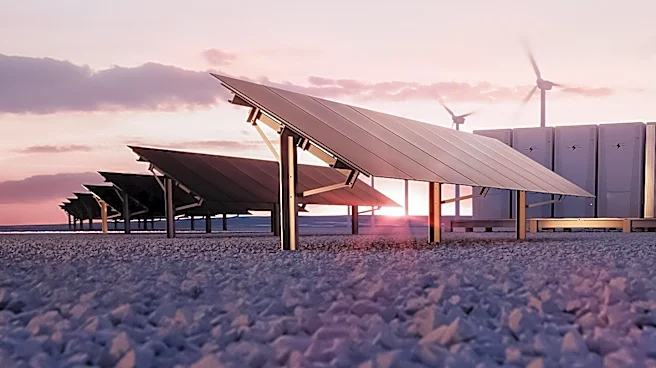
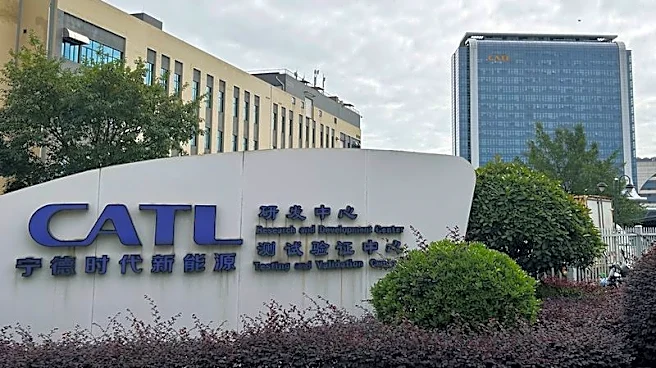
CATL and Solarpro Technology AD have announced a strategic cooperation agreement to develop 2 GWh sodium-ion systems. This collaboration aims to advance the adoption of next-generation storage technologies and transition towards more sustainable energy
systems in Eastern Europe. The agreement focuses on leveraging sodium-ion technology's advantages, such as low-temperature performance and long cycle life, to explore storage solutions tailored for Central and Eastern Europe. The companies plan to commission the first sodium-ion energy storage project in the region, enhancing the local energy landscape. Solarpro, a leader in Eastern Europe's renewable sector, will provide insights into local market needs and operational challenges, while CATL will contribute its expertise in sodium-ion battery innovation.
Why It's Important?
This agreement marks a significant step in the energy sector, particularly in advancing sustainable energy solutions in Eastern Europe. By focusing on sodium-ion technology, CATL and Solarpro aim to address the region's specific climate conditions and grid requirements, potentially leading to a more resilient energy infrastructure. The collaboration could set a precedent for similar projects, encouraging the adoption of innovative energy storage solutions. This development is crucial for the region's energy transition, potentially reducing reliance on traditional energy sources and enhancing energy security. Stakeholders in the renewable energy sector stand to benefit from the increased capacity and efficiency of sodium-ion technology.
What's Next?
The next steps involve the implementation of the first sodium-ion battery project in Central and Eastern Europe. CATL and Solarpro will continue to explore and develop storage solutions optimized for the region's needs. The success of this project could lead to further collaborations and expansions in the renewable energy sector. Stakeholders, including government bodies and energy companies, may closely monitor the project's progress and outcomes, potentially influencing future energy policies and investments in the region.