




What's Happening?
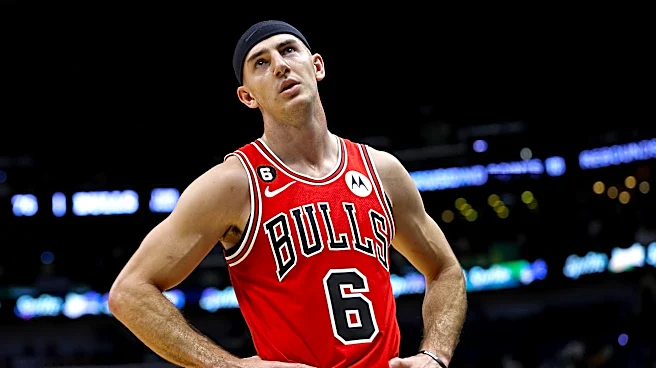
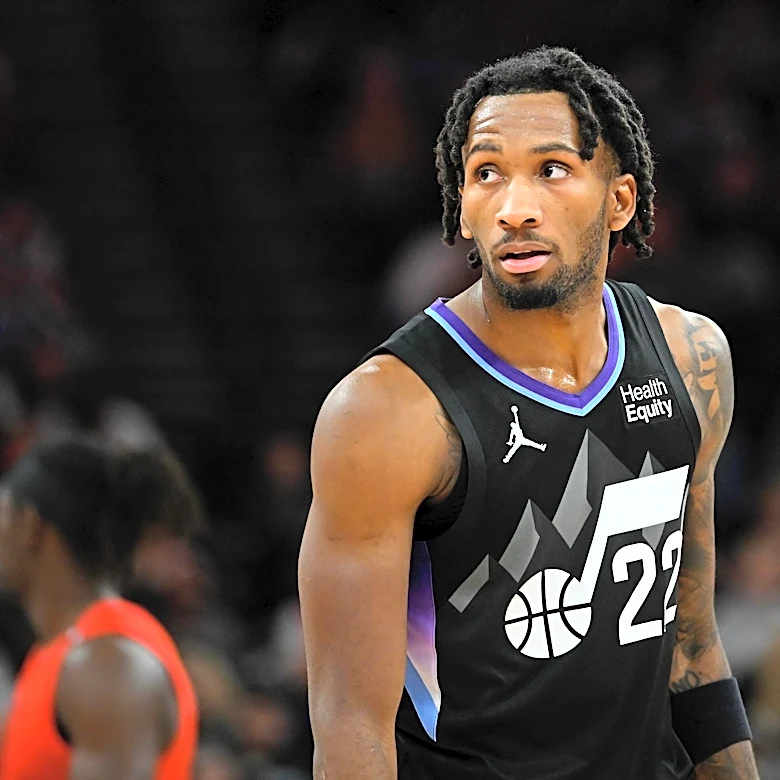
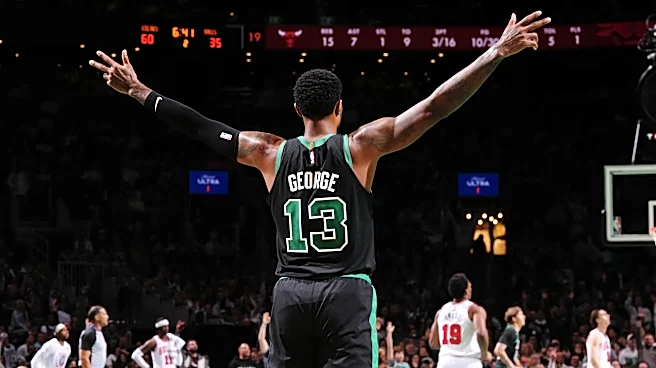
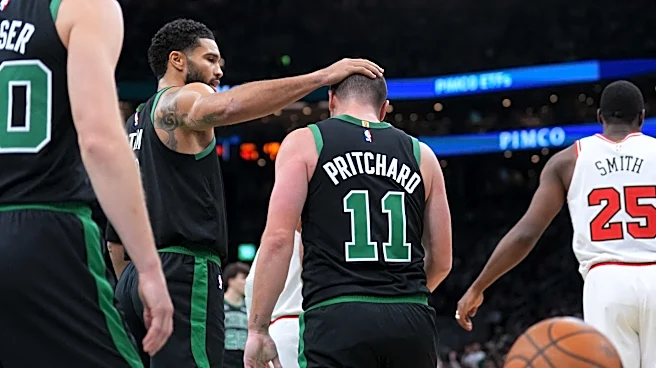
The Chicago Bulls have commenced their 2026-27 NBA season with a challenging 1-6 record, marking a problematic start to what is described as a rebuilding year. Despite the difficult beginning, the team is leading the NBA in pace, averaging 105.6 possessions
per 48 minutes, indicating a strategy to play fast-paced games. This approach, championed by Tiago Splitter, aims to leverage youthful exuberance and tire out opponents. However, this high-tempo style has not translated into offensive efficiency, with the Bulls averaging 112.6 points per game, placing them in the middle of the league. The team is also struggling with turnovers, committing 17.3 per night and allowing 23.6 points off those mistakes, ranking second-most in the NBA. Furthermore, the Bulls are attempting the fifth-most three-pointers in the league at 42.6 per game but are converting them at a league-worst 27.9% success rate, despite efforts to create open shots through ball movement.
Why It's Important?
The Chicago Bulls' current performance highlights the inherent challenges and risks associated with a full-scale rebuilding strategy in professional sports. While the team's commitment to a fast-paced, three-point-heavy offense is a clear strategic direction, its current inefficiency underscores the difficulty of implementing such a system without the necessary personnel. The high turnover rate and poor three-point shooting percentage are significant impediments to success, suggesting that the team's current roster may not be adequately equipped to execute the desired style of play effectively. This situation could impact fan engagement and team revenue if the losing trend continues, potentially affecting future player acquisitions and the overall marketability of the franchise. For the NBA, it showcases the competitive nature of the league where strategic shifts require not just vision but also the right talent to materialize into wins.
What's Next?
The Chicago Bulls are expected to continue their rebuilding process, with a focus on player development and evaluation throughout the season. While the current 1-6 record is not ideal, it is largely anticipated given the team's transitional phase. The coaching staff, led by Tiago Splitter, will likely persist with the uptempo, three-point-heavy offensive strategy, hoping for improvement in shooting efficiency and a reduction in turnovers as the young core develops. There is a possibility of roster changes as the front office evaluates player performance and fit within the system. The team's long-term success hinges on whether their young players, such as Caleb Wilson, can evolve into more consistent offensive threats and whether the team can acquire better shooting talent to complement their fast-paced approach. The season will serve as a crucial period for identifying which players are part of the Bulls' future competitive aspirations.
Beyond the Headlines
The Bulls' struggles extend beyond mere statistics, touching upon the philosophical debate within basketball regarding offensive identity and player development. The team's insistence on a high volume of three-pointers despite poor accuracy raises questions about the balance between strategic vision and roster capabilities. This approach, while aiming to foster long-range shooting skills in young players, could inadvertently create a culture of inefficient offense if not managed carefully. The high turnover rate, particularly in transition, suggests a lack of cohesion and decision-making under pressure, which are critical for a fast-paced system. This situation could lead to a deeper examination of player scouting and development programs, as the gap between strategic intent and on-court execution becomes more apparent. The long-term implications could influence how other rebuilding teams approach their offensive schemes, emphasizing the need for a roster that genuinely aligns with the desired playing style.