







What's Happening?
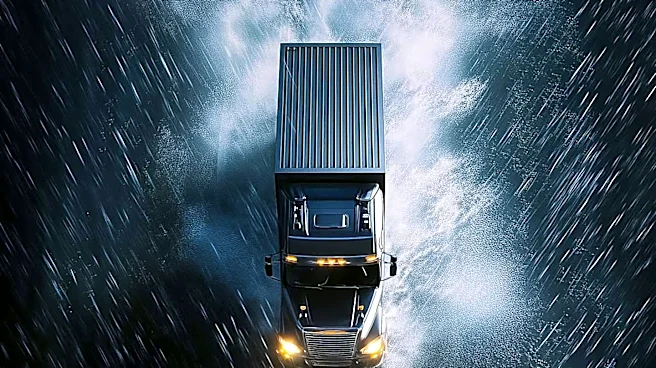
Schneider is actively recruiting CDL-A dedicated reefer nighttime truck drivers for routes serving Taylor Farms in Chicago, IL. The positions offer an average weekly pay of $1,270-$1,550 and provide home time multiple times per week. Drivers will operate
refrigerator trailers, handling 100% no-touch freight through a drop-and-hook system. The role involves 3-5 loads per week, each with 2-3 stop-offs, primarily within Illinois, Indiana, Kentucky, Michigan, Minnesota, Ohio, Pennsylvania, and Wisconsin. Schneider is offering a guaranteed weekly pay of at least $1,000 during the first 90 days, along with performance pay. Experienced drivers are eligible for a $7,500 sign-on bonus, while inexperienced drivers can receive a $5,000 sign-on bonus, both paid over 12 monthly installments in the first year. The company also provides paid orientation, paid time off after six months, and six days of holiday pay annually. An annual bonus of up to 2% of gross pay is also part of the compensation package. Applicants must possess a valid Class A Commercial Driver’s License (CDL) and reside within 75 miles of Chicago, IL. Nighttime driving is a mandatory requirement for these positions.
Why It's Important?
This recruitment drive by Schneider for Taylor Farms highlights the ongoing demand for skilled commercial drivers in the U.S. logistics and food supply chain sectors. The emphasis on dedicated reefer (refrigerated) routes underscores the critical need for efficient transportation of perishable goods, such as fresh produce from Taylor Farms, to maintain product quality and meet consumer demand. The competitive pay, frequent home time, and substantial sign-on bonuses offered by Schneider reflect the industry's efforts to attract and retain drivers in a challenging labor market. The no-touch freight policy and drop-and-hook system aim to improve driver satisfaction and efficiency, potentially reducing turnover rates. The regional nature of the routes (within IL, IN, KY, MI, MN, OH, PA, and WI) indicates a focus on optimizing delivery times and operational costs for Taylor Farms, a major player in fresh food production. This initiative is crucial for ensuring the continuous flow of fresh produce to markets and consumers, directly impacting food availability and pricing in the Midwest region.
What's Next?
Schneider will continue its recruitment efforts to fill these dedicated reefer positions, likely through various job boards and recruitment channels. The company may also explore partnerships with CDL training programs to address the need for inexperienced drivers, given the availability of a sign-on bonus for this group. Successful recruitment will lead to a more robust and efficient supply chain for Taylor Farms, potentially enabling them to expand their distribution or improve delivery schedules. The consistent demand for fresh produce will likely sustain the need for such dedicated trucking services. Other logistics companies may observe Schneider's recruitment strategies and adjust their own offerings to remain competitive in attracting and retaining CDL-A drivers. The long-term success of these routes will depend on driver retention, which will be influenced by the actual working conditions, pay consistency, and overall job satisfaction. The ongoing need for reliable transportation of perishable goods suggests that similar recruitment drives will be a recurring feature in the logistics sector.
Beyond the Headlines
The demand for dedicated reefer drivers for companies like Taylor Farms points to broader trends in the U.S. food system and logistics. The increasing consumer preference for fresh, healthy foods has amplified the importance of cold chain logistics, making specialized reefer transportation indispensable. The challenges in recruiting and retaining truck drivers, often attributed to demanding schedules and lifestyle, are being addressed through incentives like higher pay, frequent home time, and sign-on bonuses. This reflects a shift in how companies value and invest in their labor force to ensure operational continuity. Furthermore, the reliance on regional routes highlights a strategy to optimize fuel efficiency, reduce transit times, and potentially lower the carbon footprint of food transportation, aligning with growing environmental concerns. The partnership between a major logistics provider like Schneider and a food producer like Taylor Farms illustrates the intricate interdependencies within the modern supply chain, where efficient transportation is not just a service but a critical component of food security and economic stability. The success of such partnerships is vital for maintaining the availability and affordability of fresh produce across the nation.