







What's Happening?
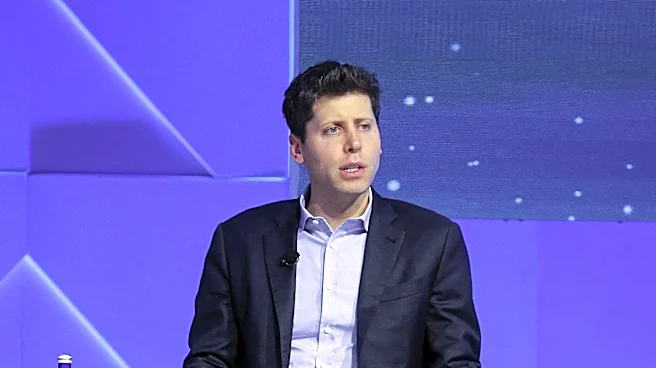
Sam Altman, CEO of OpenAI, has retracted and clarified earlier statements he made concerning the use of RAM (memory) in personal computers. Previously, during an interview on the 'Cheeky Pint' podcast, Altman remarked that it was 'quite terrible to have
everybody have a bunch of the world’s limited supply of DRAM sitting in their own computer,' suggesting that this hardware was only used '5% of the time.' These comments were widely interpreted as blaming individual computer owners for global RAM shortages and advocating for cloud-based AI processing. The remarks drew significant criticism from the tech community, particularly PC gamers, who are already facing increased hardware costs due to AI industry demand. Following the backlash, Altman posted on X (formerly Twitter) stating that his comments were 'taken out of context' and that he actually desires 'the world to have tons of memory and people to put as much as they want in their computers.' He also claimed to have been advocating for increased memory production for a long time.
Why It's Important?
Altman's initial comments and subsequent backtracking highlight the growing tension and public scrutiny surrounding the AI industry's impact on global hardware resources. The massive demand for RAM by AI companies like OpenAI for training and running large language models has contributed significantly to a worldwide DRAM shortage, driving up prices for consumer electronics. This situation has created a perception among some consumers that AI companies are monopolizing essential components, making personal computing more expensive and less accessible. The controversy also underscores the ongoing debate about the future of computing: whether it will remain largely local and user-controlled or shift predominantly to cloud-based services. Altman's clarification attempts to mitigate negative public sentiment and reassure consumers, but it also reveals the delicate balance AI leaders must strike between promoting their industry's needs and addressing broader market and consumer concerns.
What's Next?
The global DRAM shortage is expected to persist, with AI companies continuing to be major consumers of high-end memory. This will likely keep hardware prices elevated for consumers, potentially leading to further frustration within the PC and gaming communities. Altman's clarification may help to temper some of the immediate public anger, but the underlying issue of resource allocation remains. The incident could prompt more public discussion and potentially regulatory scrutiny regarding the supply chain and distribution of critical tech components. Furthermore, it might encourage hardware manufacturers to accelerate efforts to increase DRAM production to meet both industrial and consumer demands. The debate also fuels the ongoing conversation about the viability and desirability of local AI processing versus cloud-based solutions, influencing future product development and consumer choices in the tech sector.
Beyond the Headlines
This episode reflects a broader societal concern about the power and influence of large AI corporations. The perception that a single industry is consuming a disproportionate share of global resources, potentially at the expense of individual consumers, can erode public trust. It also brings to light the economic implications of technological advancement, where rapid innovation in one sector can create ripple effects across the entire tech ecosystem. Ethically, it raises questions about corporate responsibility in resource management and the potential for technological progress to exacerbate economic disparities if not managed carefully. The long-term implications could include a re-evaluation of how essential technological resources are governed and distributed, potentially leading to calls for more transparent supply chains or even government intervention to ensure equitable access to critical components for all sectors and consumers.