



What's Happening?
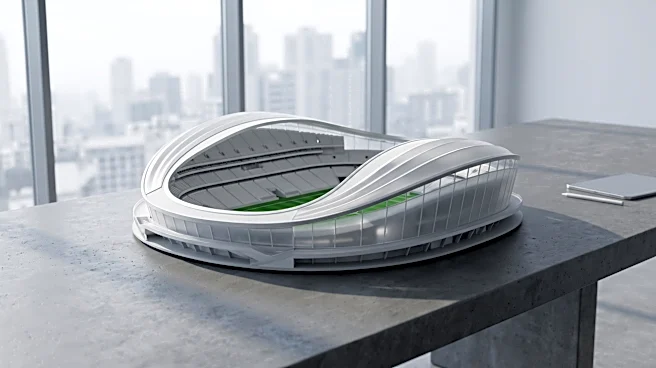
Beppe Sala, the Mayor of Milan, has publicly urged Inter and AC Milan to release the new renderings for their proposed stadium project. The mayor emphasized the need for the clubs to provide guarantees that the new stadium will be completed and ready
for the 2032 European Championships. While the clubs are reportedly on schedule to release the designs from Foster+Partners and Manica next month, Sala's comments suggest a growing impatience for updates on the project. The discussion around the new stadium had reportedly taken a backseat due to the clubs' recent performance, but the mayor's statement brings it back into focus. The current plan anticipates the demolition of the Meazza stadium in 2033, a timeline Sala finds to be a distant concern compared to the immediate need for progress on the new facility.
Why It's Important?
This development is significant for the future of professional sports infrastructure in Milan and potentially for Italy's bid to host major international sporting events. The construction of a new, modern stadium could provide a substantial economic boost through increased tourism, job creation, and enhanced revenue streams for the clubs. For the U.S. sports industry, this highlights the global trend of sports organizations investing in state-of-the-art venues to attract fans and secure lucrative hosting opportunities. Delays or uncertainties in such large-scale projects can deter international investment and impact a city's reputation as a host for major events. The mayor's call for guarantees underscores the financial and logistical complexities involved in these ventures, where public and private interests often intersect, and timely completion is crucial for meeting international commitments like the European Championships.
What's Next?
The next immediate step will be the release of the new stadium renderings by Foster+Partners and Manica, expected next month. Following this, Inter and AC Milan will likely need to address Mayor Sala's request for guarantees regarding the stadium's readiness for the 2032 European Championships. This could involve presenting detailed construction timelines, funding plans, and contingency measures to ensure the project stays on track. Stakeholders, including local government officials, club management, and potentially UEFA, will closely monitor these developments. The clubs' ability to provide satisfactory assurances will be critical for maintaining public and political support for the project and for solidifying Milan's role in future international sporting events. Further discussions and negotiations between the city and the clubs are anticipated as the project moves forward.
Beyond the Headlines
Beyond the immediate construction timelines, this situation touches upon the broader challenges faced by major European football clubs in modernizing their infrastructure while navigating complex urban planning and political landscapes. The push for a new stadium reflects a global trend in sports to enhance fan experience, increase commercial revenue, and meet evolving international standards for hosting major tournaments. The tension between the clubs' operational needs and the city's long-term strategic goals, such as hosting the European Championships, highlights the intricate relationship between sports organizations and their host cities. The outcome of this project could set a precedent for how similar large-scale sports infrastructure developments are managed in other major cities, influencing future public-private partnerships and the allocation of resources for urban development tied to sporting events.