





What's Happening?
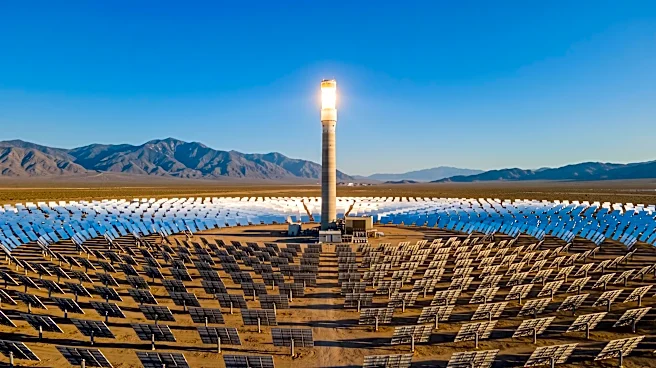
The California Public Utilities Commission (CPUC) has rejected Pacific Gas & Electric's (PG&E) attempt to terminate two of its three renewable energy purchase agreements with the Ivanpah Solar Electric Generating System. PG&E, the primary electricity
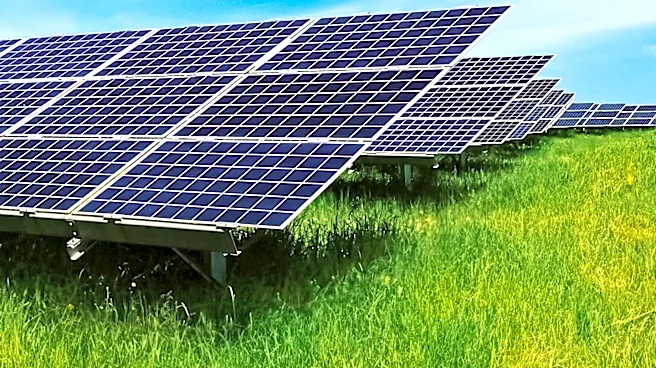
purchaser from Ivanpah, sought to end these contracts in January 2025 due to the economic advantages of conventional photovoltaic technology, which has become significantly cheaper than Ivanpah's concentrated solar power (CSP) technology. The plant's operator, NRG, also acknowledged the economic logic of moving away from Ivanpah, noting that CSP technology has been surpassed by photovoltaics due to lower investment and operating costs. Despite both the buyer and operator being ready to move on, the CPUC intervened, citing grid strategy reasons rather than technical performance. The commission emphasized the need to maintain existing clean generation, address rising electricity demand, and prevent the loss of hundreds of millions of dollars invested in associated transmission infrastructure.
Why It's Important?
This decision by the CPUC highlights a critical tension in California's energy policy: the balance between economic efficiency and grid reliability. While Ivanpah's CSP technology has become economically less competitive compared to newer photovoltaic solutions, its continued operation is deemed essential for grid stability and to meet the state's growing electricity demands. The CPUC's intervention underscores the regulatory body's role in overriding market forces to ensure energy security and prevent stranded assets in transmission infrastructure. This situation could lead to higher costs for consumers, as the plant is more expensive to operate than alternative solar technologies. It also raises questions about the long-term viability of older renewable energy projects that become economically obsolete but remain critical for grid resilience, potentially setting a precedent for how states manage their energy portfolios during rapid technological shifts.
What's Next?
The California Public Utilities Commission's decision effectively forces two units of the Ivanpah plant to remain operational, despite PG&E's and the operator's desire to terminate contracts. This means that the plant will continue to supply power to the grid, likely at a higher cost than newer solar technologies. Industry experts suggest that the plant's continued operation could cost customers an additional $105 million. There are proposals to convert the plant's towers to molten salt storage with 12 hours of thermal storage, which could make the installation more controllable and economically viable by addressing its reliance on natural gas for morning startups and its inability to provide power when prices are highest. This potential conversion would represent a significant investment and a strategic shift for the plant, aiming to integrate it more effectively into California's evolving energy landscape.
Beyond the Headlines
The Ivanpah Solar Electric Generating System's predicament reveals a deeper paradox in the transition to renewable energy. Initially hailed as a groundbreaking project, it now faces economic obsolescence due to the rapid advancements and cost reductions in photovoltaic technology. The plant's reliance on natural gas for startup operations, despite being marketed as pure solar, further complicates its environmental and economic profile. The CPUC's decision to keep it operational, despite its inefficiencies, highlights the complex interplay of technological progress, economic realities, and regulatory mandates in achieving clean energy goals. This case study illustrates that simply building renewable energy infrastructure is not enough; continuous innovation, adaptive policy-making, and flexible grid management are essential to ensure that clean energy solutions remain both sustainable and economically competitive in the long run.