


What's Happening?
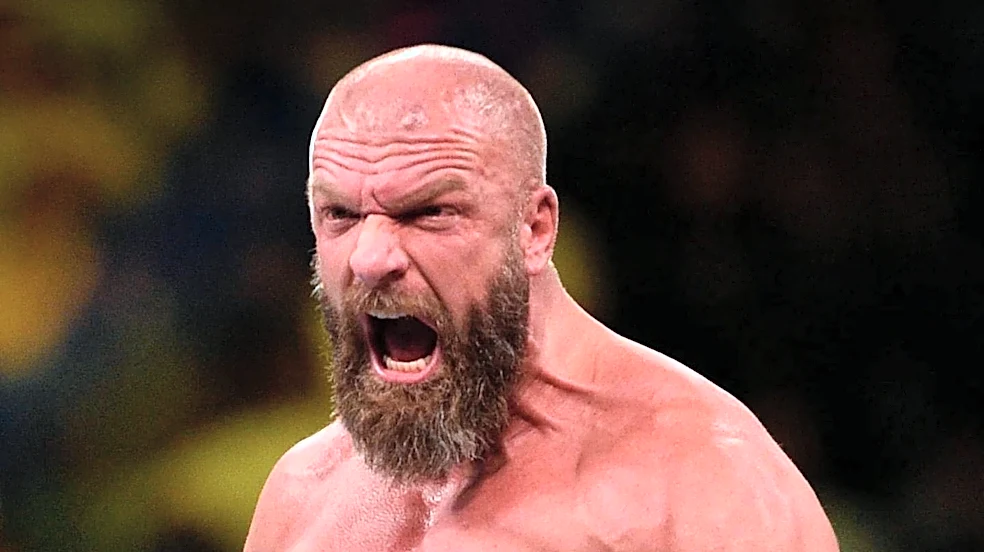
WWE Hall of Famer Billy Gunn has publicly commented on Triple H's 2019 remark, where Triple H referred to All Elite Wrestling (AEW) as a 'pissant company' during Gunn's WWE Hall of Fame induction. Gunn, who had recently signed with AEW at the time, stated
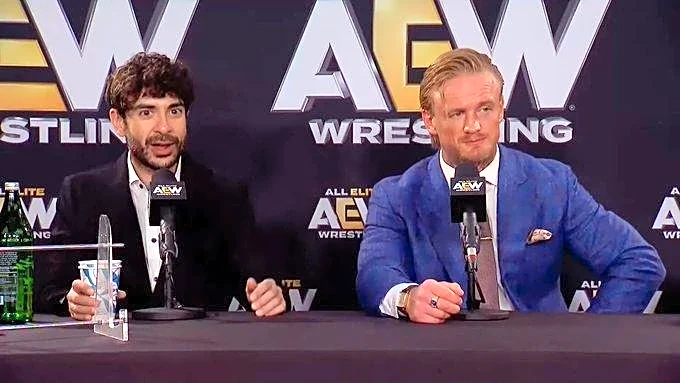
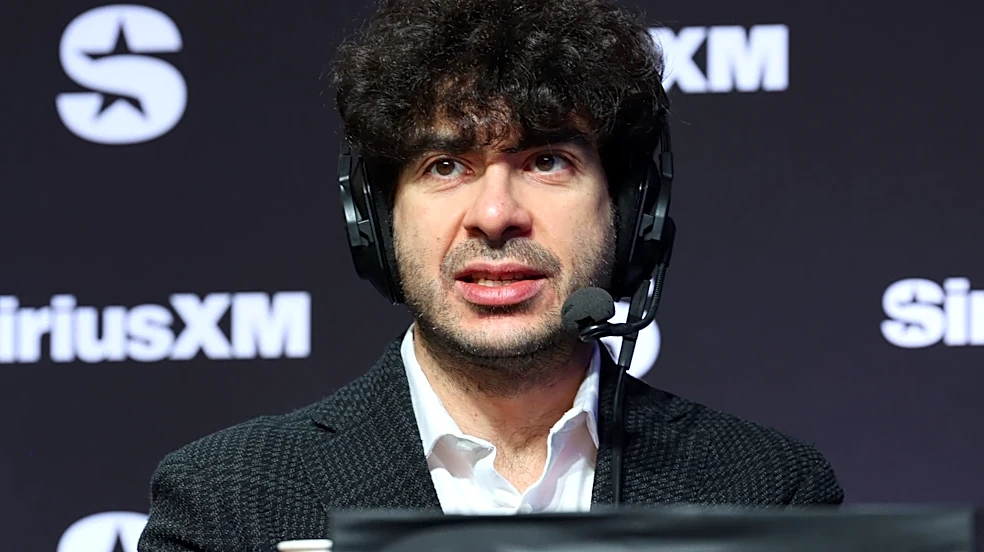
in an interview with Kenny McIntosh of Inside The Ropes that he anticipated some form of reaction from WWE regarding his move. He described Triple H's comment as a 'dick move' and an attempt to 'save face,' suggesting it was unnecessary given the nature of the wrestling business. Gunn clarified that AEW President Tony Khan was supportive of his WWE Hall of Fame appearance, granting him permission without hesitation. Gunn believes that WWE felt compelled to address his presence in another company, viewing it as an 'unwritten rule' in professional wrestling to acknowledge such transitions.
Why It's Important?
This commentary from Billy Gunn highlights the ongoing competitive dynamic between WWE and AEW, two of the largest professional wrestling promotions in the United States. Triple H's original remark, and Gunn's recent response, underscore the intense rivalry for talent and market share within the industry. Such public statements can influence fan perception, fuel narratives within the wrestling community, and potentially impact talent relations between the companies. For AEW, having a veteran like Billy Gunn, a former WWE star, openly criticize a top WWE executive reinforces its position as a legitimate alternative and a destination for wrestlers seeking new opportunities. Conversely, WWE's stance, as articulated by Triple H, reflects its historical dominance and a perceived need to assert its position against emerging competitors.
What's Next?
While Billy Gunn has stated he has 'let it go,' his recent remarks could reignite discussions among wrestling fans and media regarding the competitive landscape between WWE and AEW. It is unlikely that Triple H or WWE will issue a direct response to Gunn's comments, as such public exchanges are often managed indirectly within the wrestling world. However, the sentiment expressed by Gunn may resonate with other wrestlers who have transitioned between promotions, potentially influencing future talent decisions. The ongoing competition for viewership, live event attendance, and top talent will continue to shape the strategies of both companies, with public comments like Gunn's serving as periodic reminders of the underlying rivalry.
Beyond the Headlines
Beyond the immediate rivalry, this exchange touches upon the broader professional ethics and competitive strategies within entertainment industries. The 'unwritten rules' Gunn mentions reflect a long-standing tradition in wrestling where promotions often acknowledge or subtly disparage competitors, especially when talent moves between them. This dynamic can be seen as a form of kayfabe (the portrayal of staged events as real) extended to corporate relations, designed to maintain fan engagement and loyalty. The incident also highlights the evolving nature of talent contracts and the increasing freedom wrestlers have to explore opportunities with different organizations, a shift from past eras where talent movement was more restricted. This increased mobility contributes to a more competitive and dynamic wrestling landscape, benefiting fans with diverse products and talent showcases.