
What's Happening?
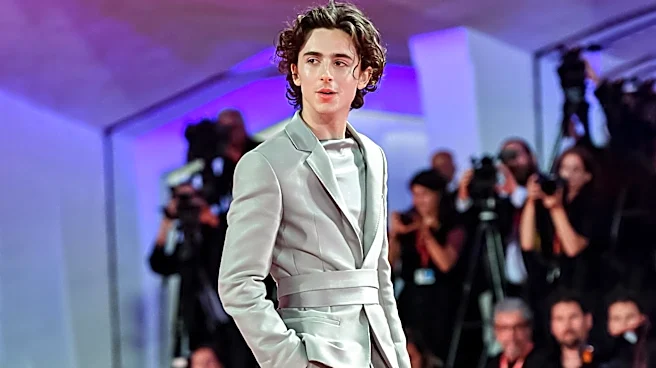
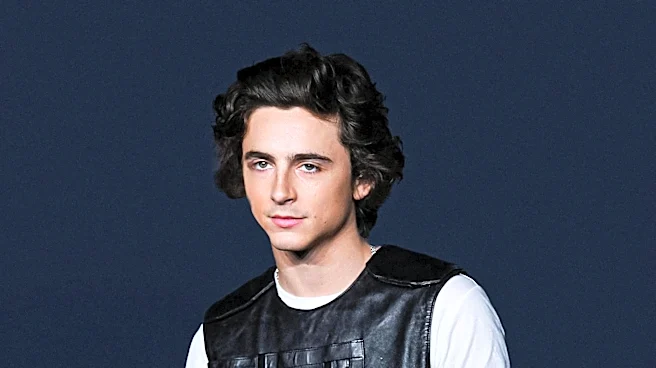
Timothée Chalamet is featured on the Holiday 2026 issue of Vanity Fair, with a cover shoot photographed in Iceland amidst cliffs and waterfalls. Styled by Taylor McNeill and wearing a custom Canada Goose creation, the American-French actor's solo cover debut
aimed for a festive offering. However, the cover has garnered mixed to negative reactions from forum members of theFashionSpot. Critics described the cover as more suited for 'National Geographic' and expressed disappointment, with comments like 'God NOOO!' and 'I hate that out-of-focus thing in the foreground, fake artsy photography move.' Some compared it unfavorably to previous Vanity Fair covers and even a past Vogue cover featuring Chalamet, while a few members found the cover appealing despite not being fans of the actor.
Why It's Important?
This event highlights the significant role of visual aesthetics and public perception in celebrity branding and magazine sales. For a high-profile publication like Vanity Fair, a cover featuring a major star like Timothée Chalamet is a critical marketing tool. The mixed reactions indicate a disconnect between the creative vision for the shoot and audience expectations, which can impact the magazine's reputation and readership. In the competitive landscape of celebrity media, a cover's ability to resonate with the target audience is crucial for maintaining cultural relevance and commercial success. The strong opinions, both positive and negative, underscore the power of celebrity imagery to provoke discussion and shape public discourse around fashion, art, and popular culture.
What's Next?
The feedback on this cover may influence future editorial decisions at Vanity Fair, particularly regarding celebrity styling and photographic themes. Magazines often analyze public reception to tailor their content and visual presentation to better align with audience preferences. For Timothée Chalamet, while a single cover's reception is unlikely to significantly alter his career trajectory, it contributes to his evolving public image. The incident also serves as a case study for other publications on the risks and rewards of unconventional celebrity cover concepts. Future celebrity features might lean towards more traditional or universally appealing aesthetics to avoid similar criticisms, or conversely, embrace bold, polarizing choices to generate buzz.
Beyond the Headlines
The debate over Chalamet's Vanity Fair cover delves into broader discussions about artistic interpretation versus commercial appeal in fashion photography. The 'National Geographic' comparison suggests a perceived mismatch between the magazine's typical glamorous aesthetic and the rugged, naturalistic setting. This raises questions about whether celebrity covers should primarily serve as aspirational fashion statements or as artistic expressions that challenge conventional norms. The strong reactions from online forums also reflect the democratization of criticism in the digital age, where public opinion can rapidly shape narratives around media content. This incident underscores the ongoing tension between creative freedom and the commercial imperative to satisfy a diverse and often opinionated audience.