



What's Happening?
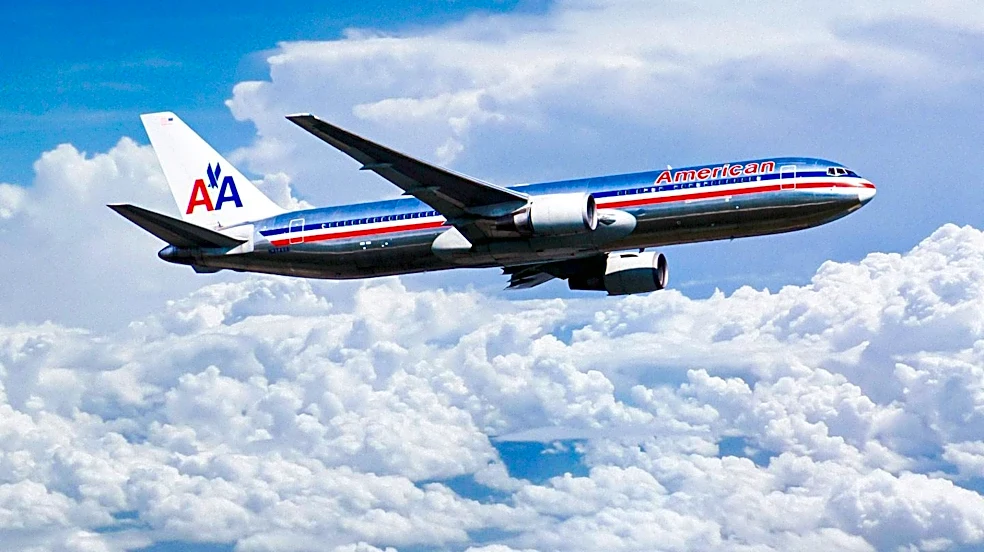
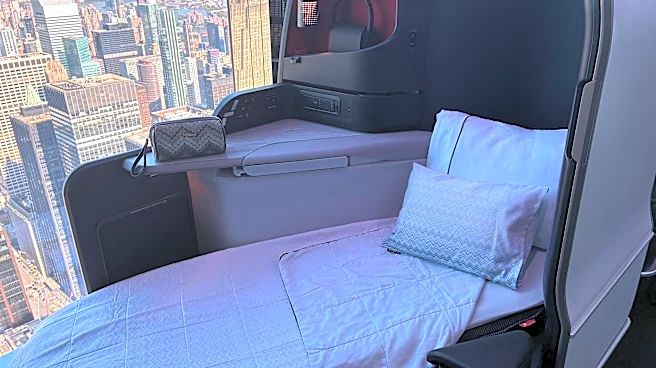
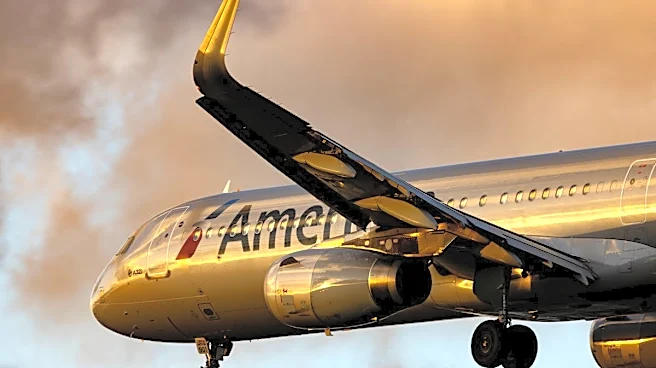
American Airlines is making significant investments to improve its passenger experience, including the installation of Starlink Wi-Fi across its mainline fleet, the reintroduction of seatback screens on narrowbody aircraft, and the rollout of new Flagship
Suites. These initiatives are part of the airline's broader goal to become a 'premier global airline based in the US.' While the airline has seen success with fast, free Viasat Wi-Fi on many flights, the transition to Starlink is expected to offer even faster and better service. The reintroduction of seatback screens and the new Flagship Suites represent substantial financial commitments aimed at enhancing the onboard product and potentially allowing American Airlines to command higher prices for its services. Additionally, American Airlines has instructed airport teams to prioritize avoiding involuntary bumping of passengers, empowering employees to offer more compensation and secure volunteers to resolve overbooking situations.
Why It's Important?
These investments are crucial for American Airlines as it seeks to differentiate itself in a competitive market and improve its reputation among travelers. The enhanced amenities, particularly Starlink Wi-Fi and seatback screens, address common passenger desires for connectivity and entertainment during flights, which could attract more customers and increase loyalty. The introduction of Flagship Suites aims to elevate the premium travel experience, allowing American Airlines to better compete with other major carriers that offer similar high-end products. Furthermore, the policy change regarding involuntary bumping reflects a commitment to better customer service and could significantly reduce negative passenger experiences and associated public relations issues. By focusing on both in-flight comfort and operational fairness, American Airlines is attempting to build a more positive brand image and secure a stronger market position, potentially impacting its revenue and passenger volume in the long term.
What's Next?
The implementation of Starlink Wi-Fi, seatback screens, and Flagship Suites will be a phased process, with installations beginning in the near future. Passengers can expect to see these improvements gradually rolled out across American Airlines' fleet. The airline will likely monitor customer feedback and operational performance closely to assess the impact of these investments. The success of these initiatives could influence future investment decisions and potentially lead to further enhancements in other areas of the passenger experience. The renewed focus on avoiding involuntary bumping will require ongoing training and empowerment of airport staff, and its effectiveness will be measured by a reduction in such incidents and improved passenger satisfaction. American Airlines will need to consistently deliver on these promises to truly achieve its ambition of becoming a 'premier global airline.'
Beyond the Headlines
Beyond the immediate improvements, these investments signal a strategic shift for American Airlines towards prioritizing passenger comfort and service quality, which could set a new standard in the U.S. airline industry. The move to Starlink Wi-Fi highlights the increasing importance of reliable and high-speed internet access as a core expectation for modern air travel, potentially pushing other airlines to upgrade their connectivity offerings. The reintroduction of seatback screens, after a period where many airlines opted for personal device entertainment, suggests a recognition that a dedicated in-flight entertainment system remains a valued amenity for many travelers. This could influence aircraft design and cabin configurations across the industry. The emphasis on avoiding involuntary bumping also reflects a broader industry trend towards greater consumer protection and a more customer-centric approach, potentially leading to more transparent and passenger-friendly policies across the board.