





What's Happening?
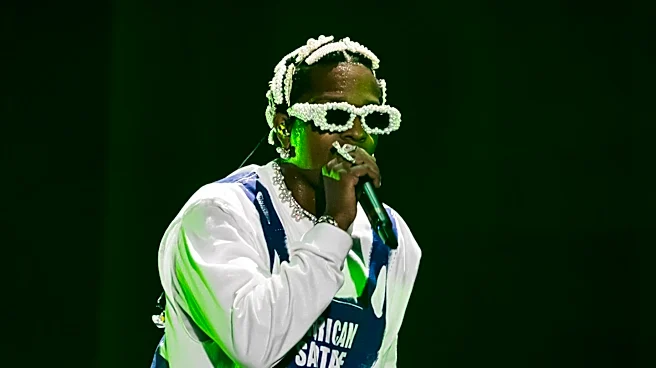
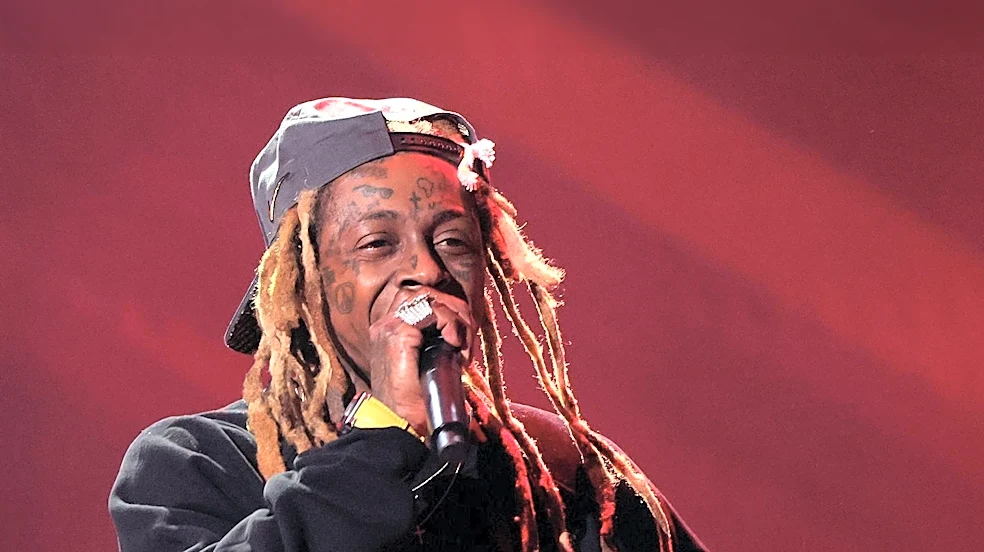
Lil Wayne's concert at the Charleston Coliseum and Convention Center, originally scheduled for Friday night, has been postponed. The venue announced the cancellation just after 5:30 p.m., citing inclement weather and associated travel delays as the reason.
The show was set to begin at 8:30 p.m. All tickets purchased for the original date will be honored for the rescheduled event. The five-time Grammy winner had announced his stop in Charleston back in March. Further details regarding the new date will be communicated to ticketholders via email and posted on the venue's social media channels once available. This postponement affects fans who were planning to attend the highly anticipated performance.
Why It's Important?
The postponement of a major concert due to weather highlights the significant logistical challenges and financial implications faced by the entertainment industry. For venues like the Charleston Coliseum, unexpected cancellations can lead to revenue losses from ticket sales, concessions, and associated services, even if the event is rescheduled. For artists, travel delays and last-minute changes disrupt tour schedules and can incur additional costs. Fans are also impacted, experiencing inconvenience and potential travel expenses if they had made arrangements to attend. This event underscores the vulnerability of live entertainment to external factors such as weather, which can have a ripple effect on local economies that benefit from concert-goers' spending on hospitality and retail.
What's Next?
The Charleston Coliseum and Convention Center will announce a new date for Lil Wayne's concert. This information will be shared through their social media platforms and directly emailed to ticketholders. Fans who purchased tickets are advised to monitor these channels for updates. The venue and the artist's team will need to coordinate schedules to find a suitable new date, which can be complex given touring commitments. Once a new date is set, the venue will likely re-engage in promotional efforts to ensure maximum attendance, and ticketholders will need to adjust their plans accordingly. The focus will be on minimizing disruption and ensuring a successful rescheduled event.
Beyond the Headlines
This incident reflects a broader trend in the live events industry where climate and weather patterns are increasingly influencing scheduling and operations. As weather events become more unpredictable, venues and artists may need to implement more robust contingency plans, including flexible scheduling and enhanced communication strategies. The reliance on social media for immediate updates also highlights the evolving landscape of public communication in crisis situations. Furthermore, the economic impact extends beyond direct ticket sales, affecting local businesses that rely on event-driven tourism. This situation could prompt a re-evaluation of insurance policies for event cancellations and the development of more resilient operational models within the entertainment sector.