










What's Happening?
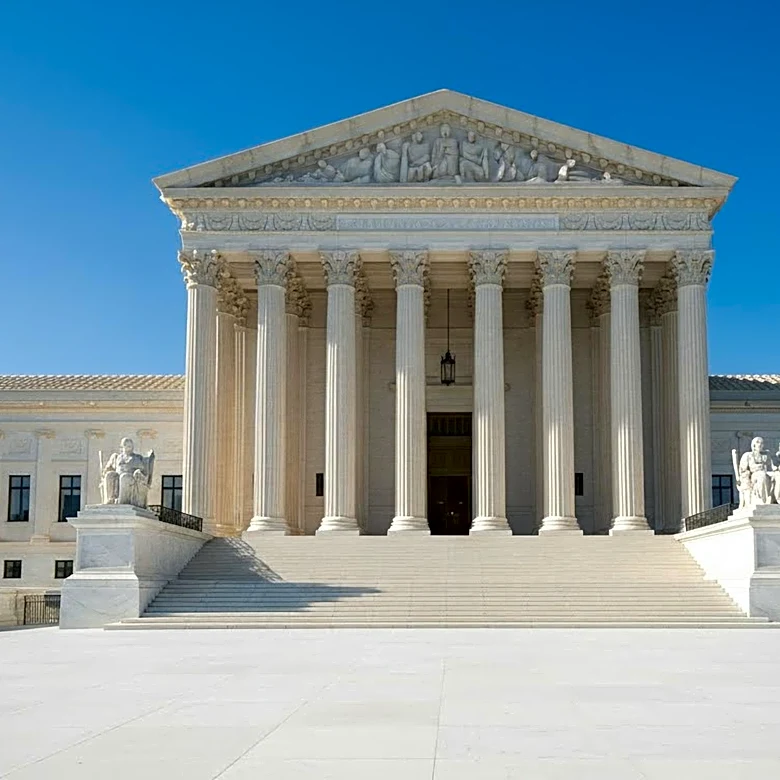
The Department of Justice (DOJ) has reached a $600 million settlement with Alibaba Group Holding Ltd. and its U.S.-based payment processor, AUS Merchant Services, following allegations that the companies failed to prevent the sale of illegal pharmaceuticals
and other banned goods into the United States. Between January 2016 and December 2024, Alibaba admitted to facilitating approximately 80,000 unlawful product sales that violated federal laws, including the Federal Food, Drug, and Cosmetic Act. These transactions reportedly generated over $200 million in gross merchandise value. The DOJ's investigation revealed that Alibaba's transaction monitoring system failed to incorporate certain wire transfer data, allowing high-risk transactions to go undetected. As part of the settlement, Alibaba and AUS Merchant Services have agreed to pay significant penalties and strengthen their compliance programs.
Why It's Important?
This settlement underscores the critical importance of compliance and monitoring systems for companies operating online marketplaces, especially those dealing with international transactions. The case highlights the potential risks and liabilities that e-commerce platforms face if they fail to implement adequate safeguards against illegal activities. For Alibaba, this settlement represents a significant financial and reputational impact, as it must now enhance its compliance measures to prevent future violations. The case also serves as a warning to other companies in the industry about the DOJ's commitment to holding businesses accountable for facilitating illegal sales, which could lead to increased regulatory scrutiny across the sector.
What's Next?
Following the settlement, Alibaba and AUS Merchant Services are expected to implement stricter compliance measures to prevent the sale of illegal products by third-party merchants on their platforms. The companies have committed to cooperating with federal investigators and enhancing their transaction monitoring systems. This development may prompt other e-commerce platforms to review and strengthen their own compliance programs to avoid similar legal challenges. Additionally, the DOJ may continue to monitor Alibaba's activities to ensure adherence to the agreed-upon compliance standards, potentially influencing future regulatory actions in the e-commerce industry.