





What's Happening?
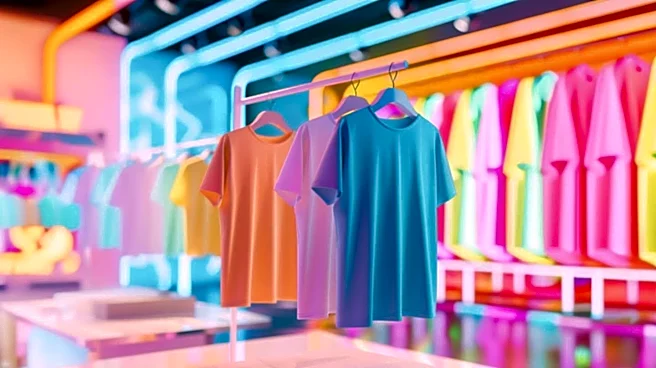
Tesco, a major retailer, is piloting new virtual try-on technology for its F&F clothing brand at its Sandhurst Extra store. This innovative system allows customers to digitally visualize how approximately 1,500 F&F clothing items, covering both womenswear
and menswear, would look on them without needing to use physical changing rooms. Shoppers can either upload a photo of themselves or take one directly at a digital screen located in the clothing department. Additionally, the technology offers the option to select a digital model to see garments in various sizes. This trial is part of a broader refresh of the F&F service hub at the Sandhurst Extra store, which also includes updated changing rooms and a dedicated service area for checkouts and returns. The initiative aims to enhance the in-store shopping experience by providing customers with more confidence in their purchasing decisions and helping them discover new styles.
Why It's Important?
This trial by Tesco signifies a growing trend in the retail sector towards integrating advanced technology, such as augmented reality (AR) and artificial intelligence (AI), to revolutionize the customer shopping experience. For consumers, virtual try-on tools offer convenience and reduce the hassle associated with traditional fitting rooms, potentially leading to more informed purchases and greater satisfaction. For retailers, this technology can significantly reduce return rates, which are a substantial cost burden in the fashion industry, especially in e-commerce. By allowing customers to visualize products accurately before buying, retailers can minimize discrepancies between expectation and reality. Furthermore, it provides valuable data on customer preferences and engagement, enabling more personalized marketing and inventory management. The success of such trials could accelerate the adoption of similar technologies across the retail landscape, pushing competitors to invest in comparable solutions to remain competitive and meet evolving consumer expectations for a seamless and interactive shopping journey.
What's Next?
If the pilot program at the Sandhurst Extra store proves successful, Tesco may consider rolling out this virtual try-on technology to other branches across the UK. The company will likely evaluate customer feedback, sales data, and the impact on return rates to determine the broader viability and scalability of the system. Beyond physical stores, the expansion of such technology could further integrate with Tesco's online fashion offerings, which have already seen significant updates since their launch last year, including more styles, sizes, and improved search tools. Other retailers will be closely observing Tesco's trial, and a positive outcome could spur wider adoption of virtual try-on solutions across the retail industry. This could lead to increased investment in AR and AI development for retail applications, fostering innovation in personalized shopping experiences and potentially setting new industry standards for customer engagement and operational efficiency.
Beyond the Headlines
The integration of virtual try-on technology like Tesco's points to a deeper shift in consumer behavior and retail strategy, moving towards a more personalized and technology-driven shopping environment. This trend blurs the lines between online and offline retail, creating an 'omnichannel' experience where digital tools enhance physical interactions. Ethically, the use of customer photos raises questions about data privacy and how this visual data will be stored and utilized. Retailers will need to ensure robust data protection policies and transparent communication with customers regarding their privacy. Culturally, this technology could normalize digital interactions as a primary component of shopping, potentially altering traditional social aspects of retail, such as shopping with friends or the tactile experience of trying on clothes. In the long term, widespread adoption could lead to a more sustainable fashion industry by reducing waste from returns and potentially influencing design and manufacturing processes based on precise digital feedback from virtual fittings.