






What's Happening?
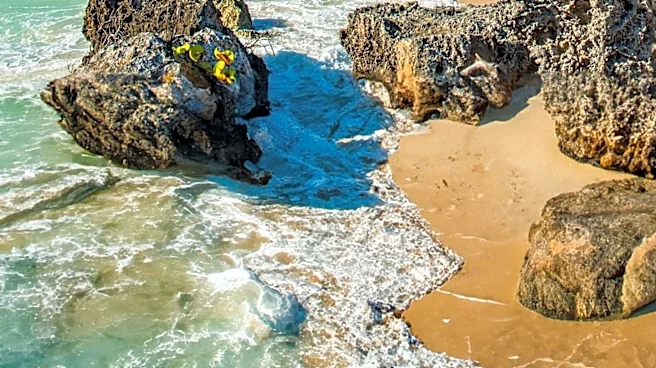
Tulum, located on Mexico's Riviera Maya, has become a top travel destination for U.S. visitors, offering a unique blend of ancient Mayan ruins, stunning Caribbean beaches, and eco-friendly resorts. The town provides both relaxation and adventure, with
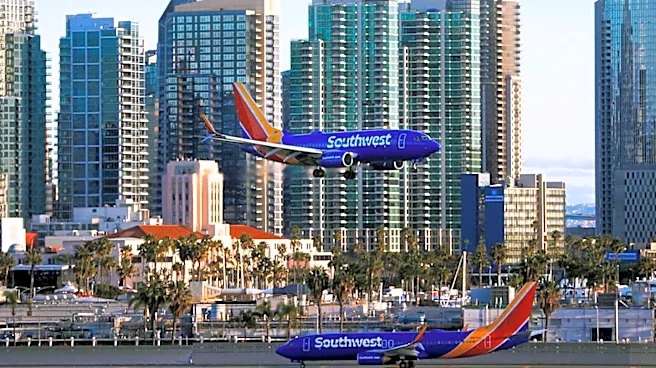
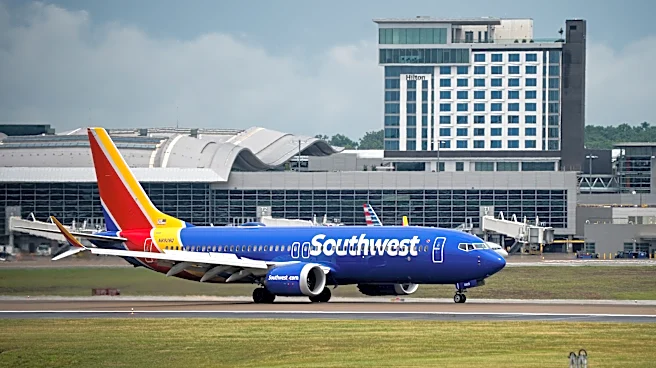
activities ranging from exploring historical sites like the Tulum Mayan Ruins, perched on a cliff overlooking the Caribbean, to swimming in natural sinkholes known as cenotes, such as Gran Cenote and Cenote Calavera. Tulum is also recognized for its eco-conscious luxury, featuring sustainable resorts and restaurants, and hosting wellness activities like yoga retreats. The Sian Ka’an Biosphere Reserve, a UNESCO World Heritage site, is nearby, offering opportunities to explore diverse ecosystems and wildlife. The best time to visit is from November to April during the dry season for optimal weather, though shoulder seasons (May-June and September-October) offer fewer crowds and better deals. While Tulum does not have its own airport, it is easily accessible via Cancún International Airport (CUN), approximately 75 miles away, with major U.S. airlines like American Airlines, Delta Air Lines, United Airlines, Southwest Airlines, and JetBlue offering direct flights to Cancún.
Why It's Important?
The growing popularity of Tulum as a premier destination for U.S. travelers signifies a broader trend in tourism towards experiences that combine cultural immersion, natural beauty, and sustainable practices. This shift impacts the U.S. travel industry by directing significant tourist traffic to Mexico, particularly the Yucatán Peninsula, and influencing airline routes and travel package offerings. For U.S. airlines, the demand for flights to Cancún, serving as the gateway to Tulum, translates into increased revenue and potentially more competitive pricing. The emphasis on eco-friendly resorts and activities in Tulum also reflects a rising consumer preference for sustainable tourism, which could encourage U.S. travel companies and destinations to adopt similar practices. Furthermore, the blend of historical exploration, such as the Mayan ruins, with leisure activities like beach relaxation and cenote swimming, caters to a diverse range of U.S. travelers, from adventure seekers to those looking for a tranquil getaway, thereby broadening the appeal of international travel options.
What's Next?
As Tulum continues to grow in popularity, it is anticipated that U.S. airlines will maintain or increase their flight frequencies to Cancún, potentially introducing more direct routes from various U.S. cities to accommodate demand. Travel agencies and tour operators are likely to expand their offerings to Tulum, creating more specialized packages that highlight its unique blend of culture, adventure, and eco-tourism. The focus on sustainability and wellness in Tulum could also inspire other destinations, both in Mexico and globally, to develop similar tourism models, catering to the environmentally conscious traveler. Local infrastructure in and around Tulum may see further development to support the influx of tourists, including improvements in transportation from Cancún and the expansion of eco-friendly accommodations. Additionally, the vibrant festival scene, including events like the Zamna Festival and Art With Me, is expected to continue attracting international visitors, further solidifying Tulum's status as a dynamic cultural hub.
Beyond the Headlines
Tulum's rise as a top destination for U.S. travelers highlights a significant cultural and economic exchange. Beyond the immediate tourism benefits, the increased interaction between U.S. visitors and the local Mayan culture can foster greater cross-cultural understanding and appreciation for ancient civilizations. The town's commitment to eco-tourism and sustainability sets a precedent for responsible travel, potentially influencing U.S. travelers to seek out and support similar initiatives in other destinations. This trend could also lead to a greater awareness in the U.S. about the importance of preserving natural environments and cultural heritage sites. Economically, the influx of U.S. tourism provides substantial revenue for local communities in Tulum, supporting small businesses, artisans, and the service industry. However, it also presents challenges related to managing tourism's environmental impact and ensuring that development benefits local populations equitably, prompting ongoing discussions about sustainable growth and cultural preservation in popular tourist areas.