







What's Happening?
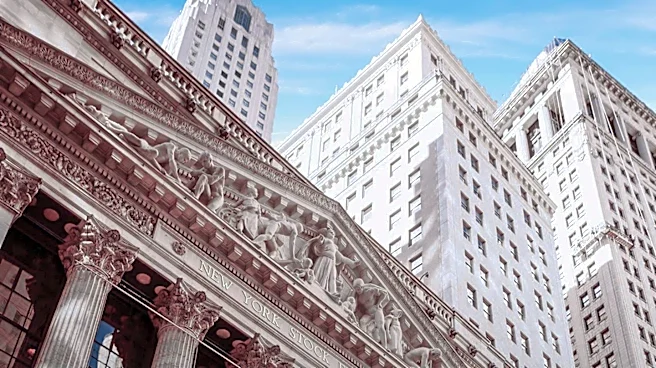
The U.S. stock market, including the New York Stock Exchange (NYSE) and Nasdaq, will be closed on Monday, September 7, 2026, in observance of Labor Day. This closure is part of the 10 holidays the stock market will observe in 2026, which also include
two early closings. Regular trading hours for U.S. stock exchanges are 9:30 a.m. to 4 p.m. Eastern time, Monday through Friday. While extended trading hours are available, they carry increased risk due to lighter trading volume and potential price volatility. The bond market, regulated by the Securities Industry and Financial Markets Association (SIFMA), will also close for Labor Day and other stock market holidays, in addition to Indigenous Peoples' Day and Veterans Day. The bond market also observes several early closings throughout the year. Notably, cryptocurrency markets operate 24/7/365, as they are decentralized and do not observe holiday schedules.
Why It's Important?
The observance of holidays by U.S. stock and bond markets has significant implications for investors, financial institutions, and the broader economy. These closures mean that trading in major U.S. equities and fixed-income securities will halt, affecting liquidity and potentially delaying transactions. For investors, it necessitates planning around these non-trading days, especially for those with time-sensitive investment strategies or those needing to access funds. Financial institutions must adjust their operations and staffing accordingly, impacting back-office functions and client services. The distinction between stock and bond market holidays, such as the bond market's additional closures for Indigenous Peoples' Day and Veterans Day, highlights the varied operational calendars within the U.S. financial system. The continuous operation of cryptocurrency markets, in contrast, underscores a fundamental difference in market structure and accessibility, offering constant trading opportunities but also continuous exposure to market fluctuations.
What's Next?
Investors and financial professionals should consult the official holiday schedules for the NYSE, Nasdaq, and SIFMA to plan their trading and operational activities for 2026 and 2027. The stock market will reopen on Tuesday, September 8, 2026, after the Labor Day closure. Future holiday schedules will continue to dictate periods of market inactivity, requiring ongoing awareness for those involved in U.S. financial markets. The consistent operation of cryptocurrency markets suggests a growing divergence in trading accessibility compared to traditional markets, which may influence investment strategies and market participation over time. The practice of closing markets for national days of mourning for past or sitting presidents also remains a potential, albeit infrequent, disruption to regular trading schedules.
Beyond the Headlines
The structured holiday schedule of U.S. financial markets reflects a blend of historical tradition, national observance, and operational considerations. These closures, while seemingly straightforward, embed cultural and societal values into the fabric of the financial system, linking market activity to national holidays and collective remembrance. The contrast with the 24/7 nature of cryptocurrency markets highlights an evolving landscape where traditional financial structures are increasingly juxtaposed with always-on digital alternatives. This divergence raises questions about the future of market accessibility, the role of national holidays in a globalized financial world, and the potential for different market models to coexist or compete. The impact extends beyond mere trading halts, influencing work-life balance for financial professionals and shaping public perception of market responsiveness and availability.