






What's Happening?
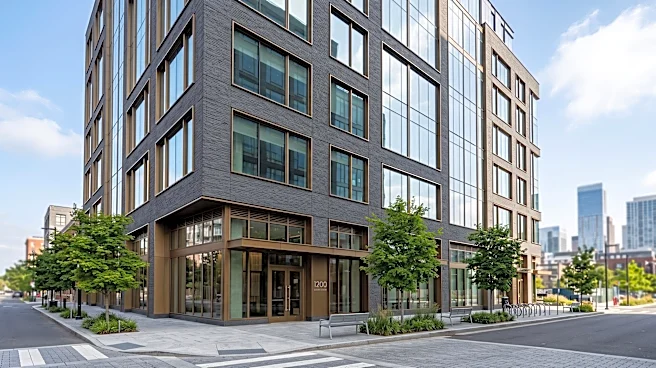
The former Rochester Riverside Hotel at 120 E. Main St. in downtown Rochester, N.Y., which has been vacant since early 2020, is slated for a $61 million redevelopment. Local developer Angelo Ingrassia and Ellicott Development propose to transform the
property into a mixed-use complex, incorporating hotel rooms, apartments, retail, and restaurant space. This project comes as the downtown Rochester hotel scene faces significant changes, with the Hyatt Regency undergoing a $16 million renovation and the former Wyndham hotel on State Street also closed and in foreclosure. The closures of the Riverside and Wyndham hotels have led to a substantial reduction in downtown hotel capacity, impacting the city's ability to host large events and costing nearly $50 million in lost meeting business since 2022, according to VisitRochester estimates. The Riverside property has also experienced extensive vandalism while awaiting redevelopment.
Why It's Important?
The proposed $61 million redevelopment of the Rochester Riverside Hotel is crucial for revitalizing downtown Rochester's economy and tourism sector. The city has experienced a significant shortage of hotel rooms, with the Riverside and former Wyndham hotels accounting for nearly half of all downtown hotel rooms before their closures. This deficit has directly led to a loss of meeting business and revenue, pushing potential events to suburban areas. The successful completion of this mixed-use project, alongside the Hyatt Regency's renovation, could restore downtown's appeal as a destination for conventions and tourism, attracting visitors and stimulating local businesses. Conversely, continued delays or failure to execute the redevelopment could exacerbate the current economic challenges, further deterring investment and hindering the city's post-pandemic recovery efforts. The project's success is vital for job creation, increased tax revenue, and overall urban revitalization.
What's Next?
Developers Angelo Ingrassia and Ellicott Development have secured substantial tax breaks for the $61 million Rochester Riverside Hotel project, with a condition that work must be completed by December 2027. Although construction was initially planned to start last year, it has not yet commenced, leading Deputy Mayor Michael Burns to emphasize the urgency of the situation, stating that "the clock is ticking." While no ultimatums have been issued, city officials are keen to see progress, transitioning from the current state of vandalism and disrepair to active construction. Meanwhile, the former Wyndham hotel, also a significant contributor to downtown's hotel capacity, is entangled in foreclosure proceedings. City officials are in ongoing discussions with Cogent Bank, the lender, to facilitate its return to operation, highlighting the city's role as a facilitator for interested parties to bring stability to the downtown hotel market.
Beyond the Headlines
The situation in downtown Rochester, with multiple prominent hotels either vacant or undergoing significant changes, reflects broader challenges faced by urban centers in adapting to post-pandemic economic shifts and evolving tourism landscapes. The extensive vandalism at the former Rochester Riverside Hotel underscores the social and economic costs of prolonged vacancies in key urban properties, impacting public safety and the aesthetic appeal of the downtown area. The city's reliance on tax breaks to incentivize redevelopment also highlights the complex interplay between public policy and private investment in urban renewal. The outcome of these hotel projects will not only determine the future of Rochester's hospitality sector but also serve as a case study for how mid-sized U.S. cities can navigate economic recovery and urban revitalization in a competitive environment. The emphasis on mixed-use development, combining hotel, residential, and commercial spaces, suggests a strategic shift towards creating more dynamic and resilient urban environments.