






What's Happening?
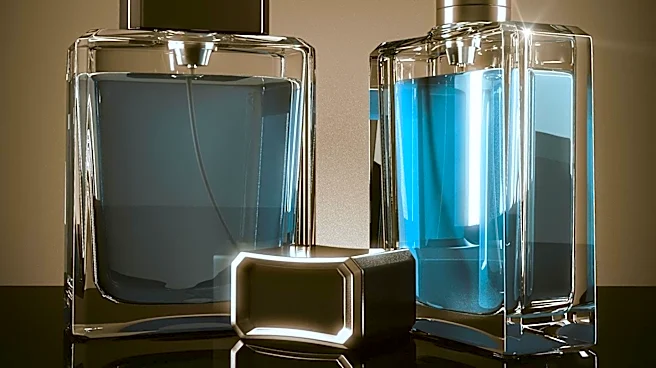
Armani's Eau pour Homme, a men's fragrance first launched in 1984, continues to be a significant product for the luxury fashion house. Created by Roger Pellegrino, the scent was designed to embody the distinctive style of Giorgio Armani and the men who
wear his creations. The fragrance, which draws on Italian origins, is characterized by a blend of fresh, classic accords such as bitter orange, mandarin, bergamot, petitgrain, and lime, contrasted with spicy notes and a touch of jasmine. Its base notes include sandalwood, vetiver, patchouli, and cedar, creating a sophisticated and enduring aroma. The fragrance's success was so profound that it was re-released in 2013 with an almost identical composition, achieving continued fine success despite changing trends. This re-release underscores the timeless appeal and enduring quality of the original formulation, which Giorgio Armani himself stated was intended for a man he considered 'current, real, of his time.'
Why It's Important?
The sustained success of Armani's Eau pour Homme highlights the enduring power of classic luxury brands and their ability to maintain relevance across generations. In the highly competitive fragrance market, where new scents are constantly introduced, the ability of a product launched in the 1980s to remain popular speaks to its intrinsic quality and brand loyalty. This longevity demonstrates that consumers value timeless elegance and well-crafted products, even as trends evolve. For the U.S. luxury market, this signifies a continued demand for heritage brands that offer a sense of tradition and sophistication. It also illustrates the potential for brands to successfully reintroduce classic products, tapping into nostalgia while appealing to new consumers who appreciate established quality. The fragrance's continued sales contribute to Armani's overall market presence and financial stability in the U.S. and globally, reinforcing its position as a leader in luxury fashion and perfumery.
What's Next?
Given the continued success of Eau pour Homme, Armani is likely to maintain its presence in the market, potentially through targeted marketing campaigns that emphasize its timeless appeal and heritage. The brand may also explore limited-edition variations or complementary products that build on the established success of the Eau pour Homme line, without significantly altering the core composition that has resonated with consumers for decades. This strategy would allow Armani to capitalize on the fragrance's strong brand recognition while introducing novel elements to keep the product fresh. Furthermore, the success of re-releasing classic formulations could influence other luxury brands to revisit their archives, potentially leading to a trend of revitalizing iconic scents in the U.S. fragrance market. This approach could also involve collaborations or special packaging to attract new demographics while retaining loyal customers.
Beyond the Headlines
The enduring popularity of Eau pour Homme reflects a broader cultural appreciation for classic aesthetics and a desire for products that offer a sense of stability and tradition in a rapidly changing world. In an era of fast fashion and fleeting trends, a fragrance that has remained relevant for nearly four decades speaks to a deeper consumer need for authenticity and lasting value. This phenomenon extends beyond perfumery, influencing design, fashion, and lifestyle choices where consumers increasingly seek quality and timelessness over transient fads. The success of Eau pour Homme also underscores the psychological impact of scent, demonstrating how a particular fragrance can evoke a sense of identity, sophistication, and even nostalgia, becoming an integral part of a personal brand. This highlights the powerful connection between luxury products, personal identity, and cultural memory, shaping consumer behavior in the U.S. and beyond.