

What's Happening?
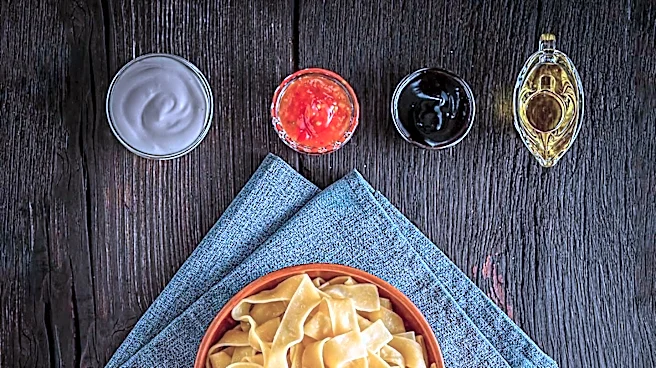
Olive Garden's 'Create Your Own Pasta' menu features a variety of sauce choices, allowing customers to customize their meals. The available sauces include marinara, creamy alfredo, traditional meat sauce, five-cheese marinara, creamy mushroom, and spicy
three-meat. These sauces are included in the base price of the 'Create Your Own Pasta' dish. The calorie count for sauce choices ranges from approximately 60 to 440 calories per standard serving, varying based on portion size, specific sauce, pasta choices, and any additional toppings like chicken, shrimp, or meatballs. This calorie range does not account for the unlimited breadsticks or soup and salad served with the meal. Vegetarian options include marinara, alfredo, five-cheese marinara, or creamy mushroom, while meat-based sauces cater to other preferences. The restaurant also provides nutritional information for protein, fat, sodium, and allergens for each recipe, and gluten-sensitive rotini is available as a substitute.
Why It's Important?
The extensive sauce selection at Olive Garden is significant for several reasons. It enhances customer choice and personalization, which can lead to increased customer satisfaction and repeat business in the competitive casual dining market. By offering both vegetarian and meat-based options, Olive Garden caters to a broader demographic with diverse dietary preferences, potentially expanding its customer base. The transparency in providing nutritional and allergen information is crucial for consumers who are health-conscious or have specific dietary restrictions, aligning with growing consumer demand for healthier and more informed dining choices. This approach can also help the brand build trust and loyalty among its patrons. The flexibility in meal customization allows Olive Garden to maintain its appeal as a family-style restaurant, offering something for everyone.
What's Next?
Olive Garden will likely continue to monitor customer preferences and sales data related to its 'Create Your Own Pasta' options. This ongoing evaluation could lead to adjustments in sauce offerings, such as introducing new flavors or discontinuing less popular ones, to keep the menu fresh and appealing. The restaurant may also explore seasonal sauce additions or limited-time offers to generate excitement and drive traffic. Furthermore, as dietary trends evolve, Olive Garden might consider expanding its range of plant-based or healthier sauce alternatives to cater to an increasingly health-conscious consumer base. Continued emphasis on clear nutritional labeling will remain important, potentially leading to more detailed information being made available through digital platforms or in-store materials.
Beyond the Headlines
The 'Create Your Own Pasta' concept with diverse sauce choices reflects a broader trend in the food service industry towards customization and personalization. This approach empowers consumers to tailor their dining experience, moving away from rigid menu structures. Ethically, providing detailed nutritional and allergen information demonstrates a commitment to consumer well-being and transparency, which can enhance a brand's reputation. Legally, clear labeling helps restaurants comply with food safety regulations and consumer protection laws. Culturally, the ability to customize meals caters to individual tastes and dietary needs, reflecting a more diverse and health-aware society. This trend could also influence supply chain decisions, as restaurants might need to source a wider variety of ingredients to support extensive customization options, potentially impacting local suppliers or sustainable sourcing practices.