







What's Happening?
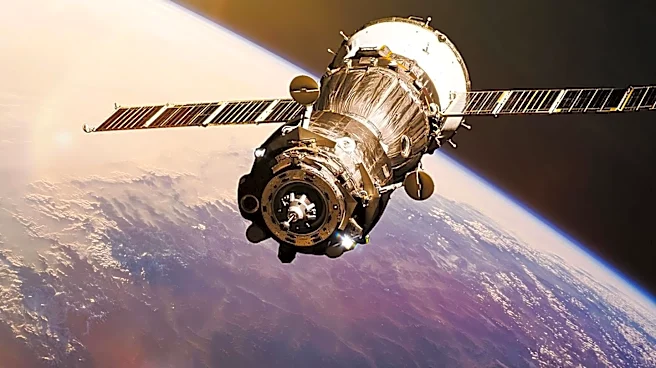
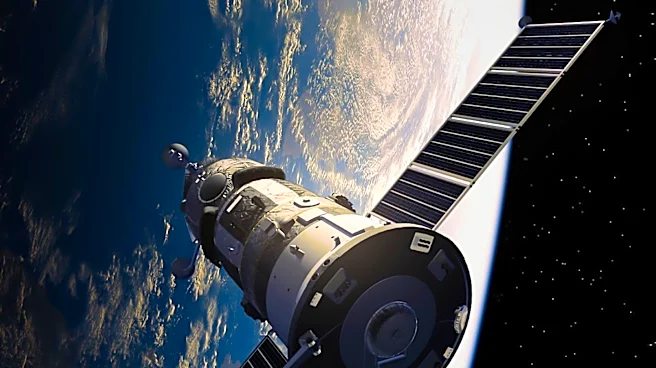
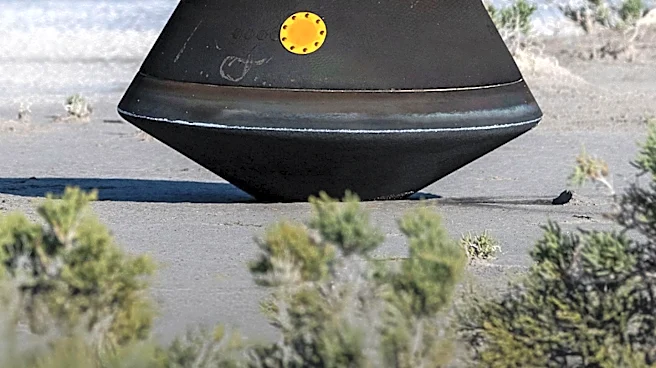
Reditus Space has announced the completion of its first reentry spacecraft, ENOS, which is set to embark on its debut mission this fall. The startup, which emerged from stealth mode in December, is targeting the growing market for Earth-return capabilities
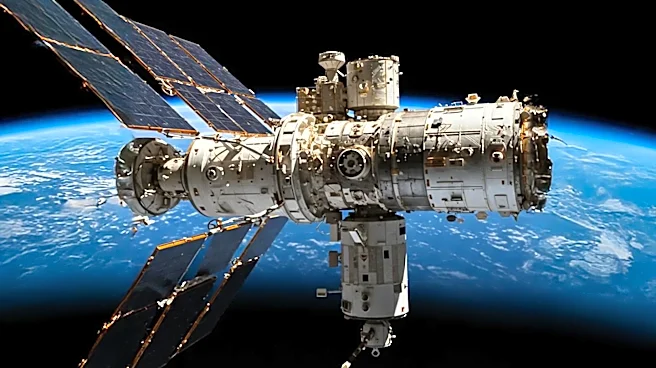
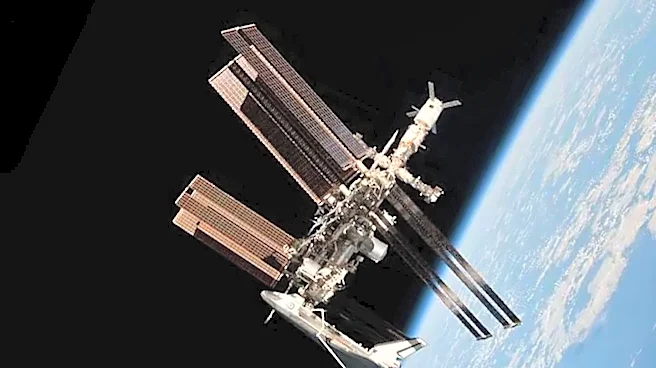
as the International Space Station (ISS) approaches the end of its operational life in the 2030s. ENOS is designed to be a reusable vehicle, capable of multiple flights to space and back, a feature that Reditus hopes will make it competitive in the market. The spacecraft is expected to orbit Earth for two months before reentering the atmosphere at speeds up to Mach 29, with a planned splashdown off the coast of Florida in December. Initially, the flight will be largely single-use, but future iterations aim to increase payload capacity and enhance reusability.
Why It's Important?
The development of reusable reentry vehicles like ENOS is significant as it represents a shift towards more sustainable and cost-effective space operations. By enabling multiple uses of the same vehicle, Reditus aims to reduce the costs associated with space missions, making them more accessible to a broader range of customers. This could potentially open up new opportunities for in-orbit science and manufacturing, as companies look for alternatives to the ISS. The success of such technologies could also drive innovation in the space industry, encouraging more startups to enter the market and compete, ultimately leading to advancements in space exploration and technology.
What's Next?
Following the initial flight of ENOS, Reditus plans to enhance the vehicle's design to increase its payload capacity and improve its reusability. The company aims to launch a second version of ENOS by mid-2027, which will incorporate these upgrades. As Reditus continues to refine its technology, it will likely seek to establish itself as a leader in the reentry vehicle market, potentially influencing the strategies of other companies in the space industry. The success of ENOS could also prompt regulatory bodies and industry stakeholders to consider new standards and practices for reusable spacecraft.