


What's Happening?
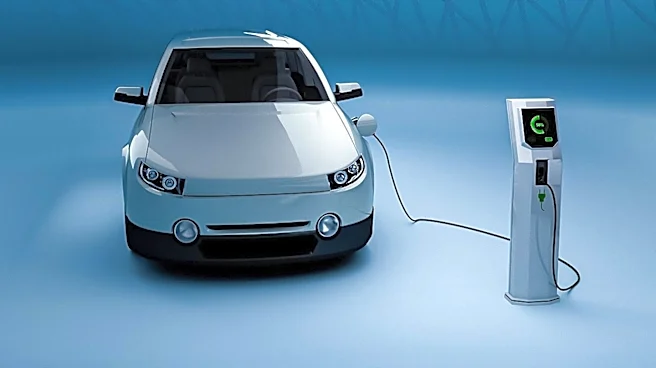
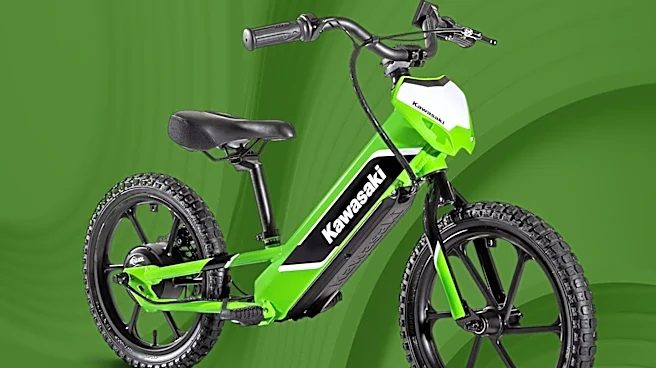
Electric bikes (e-bikes) are gaining popularity as a sustainable transportation option in urban areas. These bikes offer a practical alternative to short car trips, significantly reducing carbon emissions and traffic congestion. E-bikes require less energy
to charge and manufacture compared to electric cars, making them an environmentally friendly choice. With models available for under $800, e-bikes are becoming accessible to a wider audience, promoting sustainable transport without the need for a large financial investment.
Why It's Important?
The rise of affordable e-bikes is crucial in the push towards greener cities. By providing a low-cost, low-emission transportation option, e-bikes help reduce urban carbon footprints and improve air quality. They also alleviate traffic congestion and decrease the demand for parking infrastructure. As more people adopt e-bikes, cities can move closer to achieving their sustainability goals, creating quieter, more livable urban environments. This shift supports broader efforts in sustainable city planning and can lead to long-term environmental benefits.
What's Next?
As e-bikes become more popular, cities may need to invest in infrastructure to support their use, such as dedicated bike lanes and secure parking facilities. Additionally, manufacturers might focus on improving e-bike technology, enhancing battery life, and reducing costs further. Policymakers could also consider incentives to encourage e-bike adoption, such as subsidies or tax breaks. These developments could accelerate the transition to sustainable urban transportation, making e-bikes a staple in city mobility strategies.