





What's Happening?
Highmark Stadium, the long-standing home of the Buffalo Bills in Orchard Park, NY, will conclude its tenure as the team's primary venue in 2025. The stadium, which first opened on August 17, 1973, under its original name, Rich Stadium, has hosted over
five decades of Buffalo Bills football. Throughout its history, the stadium has undergone several name changes, eventually becoming Highmark Stadium. This marks a significant transition for the franchise and its fanbase, as the team prepares to move to a new facility. The Buffalo Bills organization has released a retrospective collection of iconic images, looking back at the stadium's history from 1973 through its final season in 2025, capturing memorable moments and the evolution of the venue.
Why It's Important?
The closure of Highmark Stadium in 2025 signifies the end of an era for the Buffalo Bills and their dedicated fanbase. For over 50 years, the stadium has been more than just a playing field; it has been a central gathering place for the community, a site of countless shared memories, and a symbol of regional identity. The transition to a new stadium will have significant economic and social impacts on Orchard Park and the wider Western New York area. Businesses that have thrived around the stadium for decades may face adjustments, while new opportunities could emerge around the future venue. For fans, it represents a bittersweet moment, balancing nostalgia for the past with anticipation for the future. The move also reflects broader trends in professional sports, where teams often seek modern facilities to enhance fan experience, generate new revenue streams, and remain competitive in the league.
What's Next?
Following the 2025 season, Highmark Stadium will no longer host Buffalo Bills games. The team is expected to transition to a new, state-of-the-art stadium, which is currently in development. This new facility aims to offer enhanced amenities, modern infrastructure, and potentially increased seating capacity, promising a new era for the franchise. The current stadium's future use is yet to be definitively determined, but it could involve demolition, repurposing, or redevelopment of the site. For the Buffalo Bills organization, the focus will shift to the successful completion and opening of the new stadium, ensuring a smooth transition for operations, staff, and, most importantly, the fans. The community will also be looking at the economic and urban planning implications of the new stadium's location and the redevelopment of the Highmark Stadium site.
Beyond the Headlines
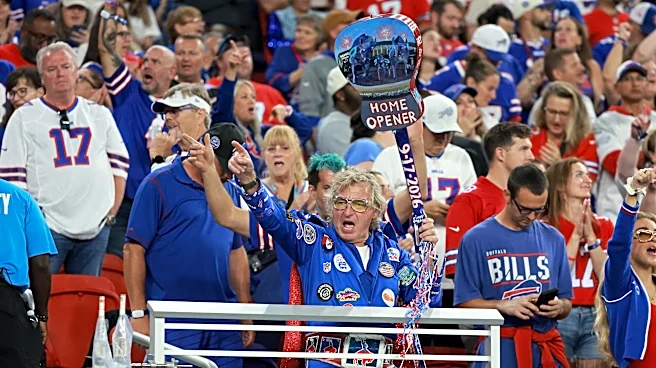
The departure from Highmark Stadium transcends the physical relocation of a sports team; it delves into the emotional and cultural fabric of a community. Stadiums often become sacred grounds for fans, embodying collective triumphs, heartbreaks, and traditions. The 'Bills Mafia,' known for its passionate support, has created a unique atmosphere at Highmark Stadium, which will be challenging to replicate entirely in a new venue. This move also highlights the evolving relationship between professional sports franchises and their host cities, often driven by the need for modern facilities to compete financially and attract top talent. The legacy of Highmark Stadium will continue through the memories of generations of fans, and its closure will undoubtedly spark reflections on the passage of time, the evolution of sports, and the enduring power of community bonds forged around a shared passion for a team.