




What's Happening?
Color drenching, an interior design technique involving the application of a single color across walls, trim, and sometimes ceilings, is gaining significant traction in U.S. homes. This approach creates a unified and immersive aesthetic, moving away from
traditional contrasting white trim. Examples include a terracotta color-drenched sitting room with matching window trim and a decorative coffered ceiling, and a navy color-drenched home office where the color extends across walls, trim, and ceiling coffers. Another instance features sage-green trim that continues across ceiling coffers and baseboards in a bedroom, making the ceiling an integral part of the room's design. The trend is also being applied to specific colors like plum or aubergine, which designers suggest can be used in both subtle accents and full color-drenched spaces, including kitchens. This shift reflects a broader movement towards more expressive and moody interiors, with designers noting a decrease in demand for white, cream, and beige pieces.
Why It's Important?
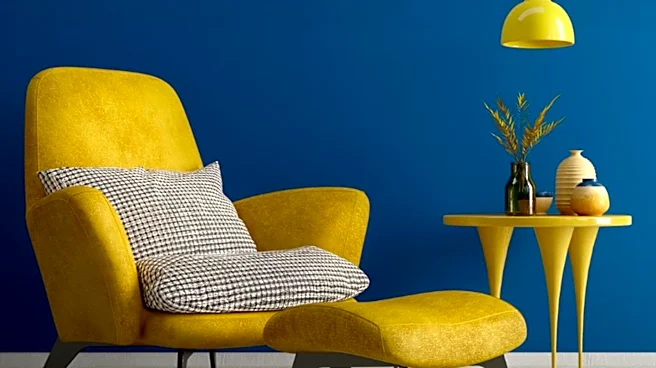
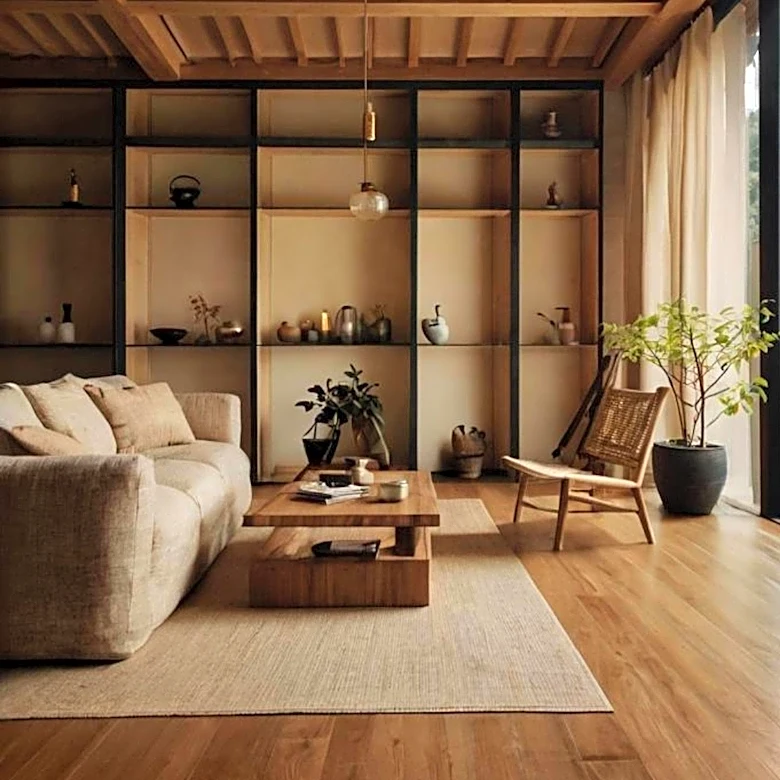
This design trend signifies a notable shift in U.S. interior aesthetics, moving away from minimalist, neutral palettes towards more saturated and cohesive color schemes. For the home decor and paint industries, this could lead to increased demand for a wider range of bold, earthy, and jewel-toned paints and materials. Consumers are becoming more adventurous with color, potentially boosting sales of non-traditional hues and encouraging homeowners to invest in more comprehensive design projects rather than simple accent walls. Interior designers and contractors may see a rise in projects requiring a deeper understanding of color theory and material coordination to achieve the desired 'color-drenched' effect. This trend also impacts furniture and accessory markets, as complementary pieces in materials like walnut, cognac leather, and aged brass are often recommended to enhance the richness of these monochromatic spaces, creating a more integrated and sophisticated look in residential interiors.
What's Next?
The continued rise of color drenching suggests that homeowners and designers will further explore bold and unconventional color choices in various rooms. Expect to see more innovative applications of this technique, potentially extending to built-in furniture, cabinetry, and even architectural features like fireplaces. Paint manufacturers are likely to introduce new collections featuring deep, complex shades with warm undertones, catering to this demand. Interior design firms may increasingly specialize in creating these immersive color experiences, offering consultations and services focused on cohesive, monochromatic schemes. Furthermore, the trend could influence the real estate market, with color-drenched homes potentially appealing to a niche market seeking unique and sophisticated living spaces. Educational resources and DIY guides on achieving successful color drenching are also anticipated to grow, empowering more homeowners to experiment with this design approach.
Beyond the Headlines
Beyond its aesthetic appeal, color drenching reflects a deeper psychological shift in how Americans perceive and interact with their living spaces. In an increasingly fast-paced and often chaotic world, creating a cocoon-like, immersive environment through color can offer a sense of calm, comfort, and personal expression. This trend challenges the long-standing dominance of neutral, 'safe' color choices, encouraging a more confident and individualistic approach to home decor. Ethically, it promotes sustainability by encouraging homeowners to invest in timeless, well-thought-out designs rather than frequently updating with fleeting trends. Culturally, it aligns with a broader appreciation for craftsmanship and intentional design, where every element, from paint to trim, contributes to a unified artistic vision. This movement could foster a greater appreciation for the transformative power of color in shaping mood and atmosphere within the home.