
What's Happening?
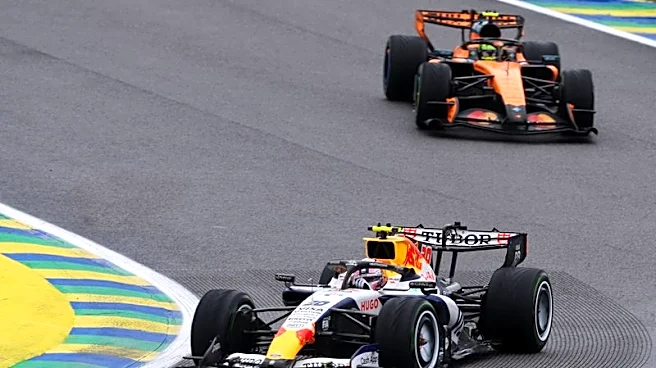
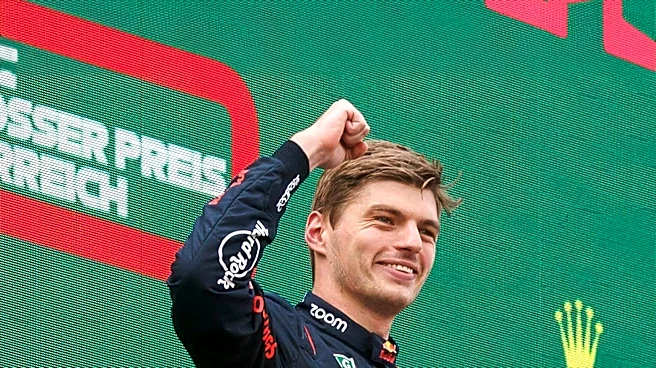
Max Verstappen has urged Red Bull Racing to conduct a thorough investigation into the performance of his RB22 car after experiencing significant handling issues at the São Paulo Grand Prix. Despite finishing second, Verstappen reported extreme oversteer
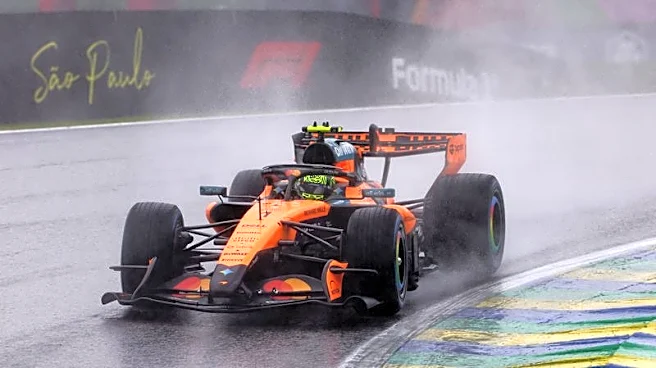
in high-speed corners after switching to slick tires, which he believes indicates a technical problem rather than a mere setup limitation. He started from P21 and rapidly climbed through the field on intermediate tires, demonstrating strong pace in wet conditions. However, the car's balance drastically changed once soft tires were fitted, making it difficult to control and eroding his confidence. Verstappen suspects potential aerodynamic damage or a component failure, emphasizing that the car's race performance was not normal. He noted that a later return to intermediate tires felt markedly different from his initial stint, reinforcing his concerns about an underlying issue. The team is expected to analyze data from various tire phases, including steering inputs, balance, and aerodynamic readings, to determine the root cause of the problem.
Why It's Important?
This call for an investigation by Max Verstappen is significant for Red Bull Racing as it highlights potential underlying technical issues that could impact their competitive edge in Formula One. While a second-place finish is strong, Verstappen's concerns suggest that the car's true performance might be compromised, which could affect future race outcomes and championship aspirations. For the team, accurately diagnosing whether the problem stems from damage, aerodynamic behavior, or car setup is crucial for development and strategic planning. A technical failure could indicate a design flaw or a quality control issue, requiring immediate attention to maintain reliability and performance. If the issue is systemic, it could influence Red Bull's standing against rival teams, potentially shifting the competitive landscape in Formula One. The outcome of this investigation will be closely watched by competitors and fans alike, as it could reveal vulnerabilities in one of the sport's leading teams.
What's Next?
Red Bull Racing is expected to initiate a comprehensive investigation into the RB22's performance data from the São Paulo Grand Prix. This will involve a detailed analysis of telemetry, aerodynamic readings, and driver feedback to pinpoint the exact cause of the oversteer issues reported by Max Verstappen. The team will need to differentiate between a setup limitation, which can be adjusted, and a technical failure, such as aerodynamic damage or a component malfunction, which would require more significant intervention. The findings of this investigation will inform Red Bull's engineering and development efforts for upcoming races, potentially leading to modifications or adjustments to the car's design or setup. Stakeholders, including team leadership, engineers, and Verstappen himself, will be keen to understand the results to ensure optimal performance and reliability in future competitions. The team's response and subsequent performance will be critical in addressing these concerns.
Beyond the Headlines
The incident at the São Paulo Grand Prix, and Max Verstappen's subsequent demand for an investigation, points to the intricate balance between driver feedback, technical data, and team strategy in Formula One. Even a podium finish can mask deeper performance issues, highlighting the relentless pursuit of perfection in top-tier motorsports. This situation underscores the critical role of data analysis and engineering precision in maintaining a competitive advantage. Ethically, it emphasizes the importance of transparency and thoroughness in addressing potential car faults, ensuring driver safety and fair competition. Long-term, such investigations contribute to the evolution of racing technology and safety standards. The ability of a team to quickly identify and rectify complex technical problems under immense pressure is a testament to their engineering prowess and operational efficiency, shaping their reputation and future success in the sport.