




What's Happening?
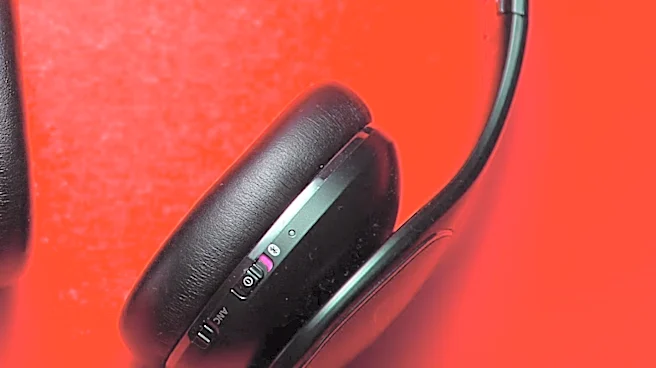
Beats has launched its new 360 over-ear headphones, marking a significant advancement in the company's product line. These headphones feature a clean, uncluttered silhouette and weigh approximately 295 grams, offering a light yet premium feel. A key innovation
is the modular design, allowing users to swap out cushions and headbands without tools, enhancing both comfort and versatility. The Beats 360 runs on a custom Beats chip and Class 1 Bluetooth 5.3, ensuring a stable connection. Apple users benefit from instant pairing, automatic device switching, Find My tracking, and Personalized Spatial Audio. Android users are also supported with Google Fast Pair, Audio Switch, and full control via the Beats app. The active noise cancellation (ANC) has been significantly improved, utilizing nine digital microphones to effectively reduce low-frequency sounds like aircraft engines and cafe chatter. Battery life is rated at 32 hours, with fast-charging capabilities providing an hour of playback from a five-minute charge. However, the Beats 360 is strictly wireless, lacking a 3.5mm headphone jack and wired lossless audio support via its USB-C port.
Why It's Important?
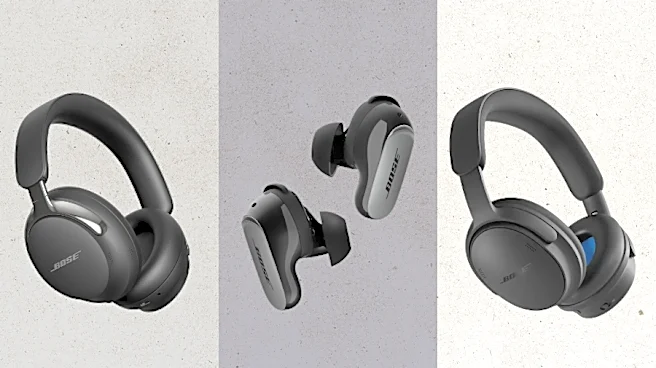
The introduction of the Beats 360 headphones is important for the consumer electronics market, particularly in the premium audio segment. Its enhanced noise cancellation positions Beats more competitively against established leaders like Sony and Bose, potentially shifting market share. The modular design offers consumers greater customization and extends product longevity, which could influence design trends across the industry. The seamless integration with both Apple and Android ecosystems reflects a growing industry trend towards broader compatibility, driven in part by regulatory pressures like those from the European Union. This move by Beats, a subsidiary of Apple, demonstrates a commitment to user experience across different platforms, potentially fostering greater brand loyalty. The focus on wireless-only functionality, while offering convenience, also highlights a continuing industry shift away from traditional wired connections, which could impact audiophiles who prefer lossless wired audio.
What's Next?
The Beats 360 is expected to compete directly with other high-end noise-canceling headphones in the market. Consumers will likely evaluate its performance against offerings from Sony and Bose, particularly regarding sound quality and ANC effectiveness. The modular design may lead to the release of additional cushion and headband options, allowing users further personalization. The strictly wireless nature of the headphones could prompt discussions among audio enthusiasts about the trade-offs between convenience and audio fidelity, potentially influencing future product development in the wireless audio space. The continued collaboration between Apple and Google on features like Fast Pair and Audio Switch, as seen in the Beats 360, suggests a trend towards more standardized and interoperable wireless audio experiences across different operating systems.
Beyond the Headlines
The design philosophy behind the Beats 360, emphasizing modularity and user-swappable components, could signal a broader shift in consumer electronics towards sustainability and user repairability. By allowing users to easily replace parts like ear cushions and headbands, Beats is implicitly extending the product's lifespan and reducing waste, aligning with growing consumer demand for eco-conscious products. This approach also empowers users with more control over their device's aesthetics and comfort, moving away from a one-size-fits-all model. The decision to go entirely wireless, while convenient, also raises questions about digital audio preservation and the future of high-fidelity audio formats that traditionally rely on wired connections. This could further accelerate the adoption of wireless audio codecs and technologies, pushing the boundaries of what's possible in wireless sound transmission.