










What's Happening?
Copper mining is a significant contributor to carbon emissions, generating approximately 80 million tonnes of CO2 annually. As copper becomes essential for electrification and the global energy transition, mining companies face pressure to reduce their
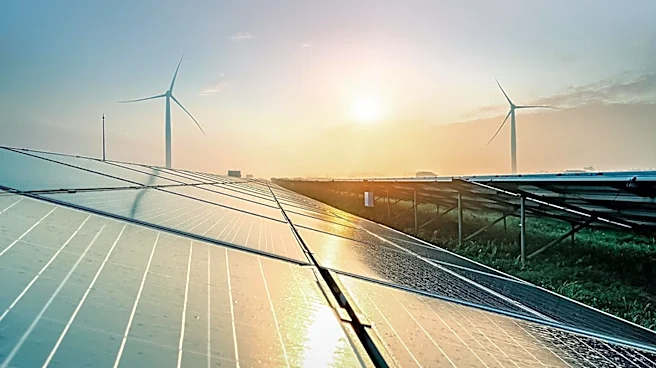
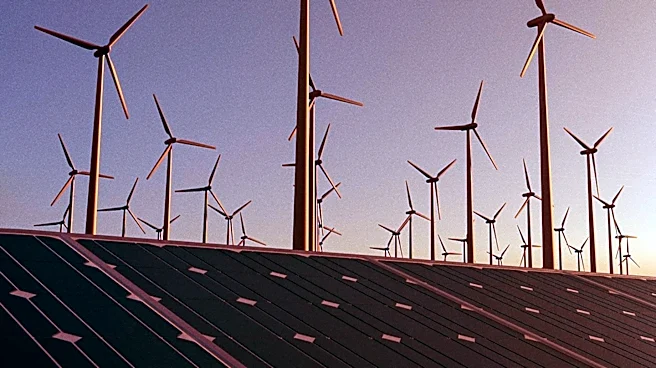
environmental impact. Major mining jurisdictions and companies are setting ambitious climate targets and investing in technologies to improve efficiency and lower emissions. Countries like Australia, Brazil, and Chile are committing to significant GHG emission reductions by 2030. Renewable energy access and alternative extraction methods are key strategies for reducing emissions in copper mining.
Why It's Important?
Reducing carbon emissions in copper mining is critical for supporting the global energy transition and meeting climate goals. The industry's shift towards renewable energy and innovative extraction methods can significantly lower its carbon footprint. This transition not only addresses environmental concerns but also enhances the sustainability and competitiveness of mining operations. As demand for copper grows, the industry's ability to reduce emissions will play a crucial role in shaping its future and contributing to global decarbonization efforts.