



What's Happening?
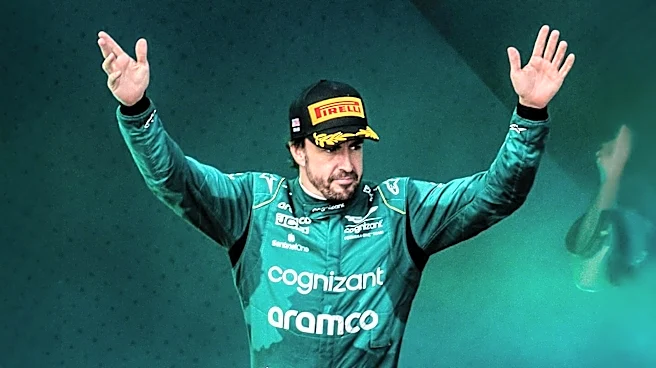
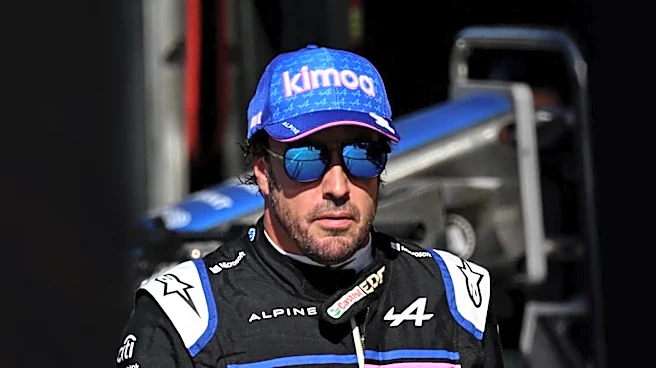
Two-time Formula 1 world champion Fernando Alonso has voiced strong dissatisfaction with the current F1 engine regulations, stating they have 'killed' some of the sport's greatest circuits. Alonso argues that the energy-management demands of the new rules
force drivers to 'drive slow to go fast,' a concept he finds unnatural and less enjoyable compared to other motorsport series. He believes that the current regulations require excessive pre-planning and reliance on engineering simulations, diminishing the instinctive driving experience. Alonso's contract with Aston Martin is set to expire at the end of the current campaign, and his decision on continuing in F1 is heavily influenced by these regulatory concerns. He has specifically criticized the 'semi-embarrassing' nature of racing at tracks like Spa under the current rules.
Why It's Important?
Alonso's critique highlights a significant concern within Formula 1 regarding the balance between technological advancement and the purity of racing. His comments, coming from a highly experienced and respected driver, could pressure the sport's governing bodies to re-evaluate the impact of current and future regulations on driver experience and race spectacle. If top drivers like Alonso feel the sport is becoming less engaging due to technical constraints, it could affect driver retention, fan interest, and the overall appeal of F1. The emphasis on energy management over raw speed and aggressive driving might alienate traditional motorsport enthusiasts who value skill and instinct. This situation also underscores the ongoing debate about how F1 can innovate technologically while preserving the essence of competitive racing.
What's Next?
Fernando Alonso's future in Formula 1 beyond the current season remains uncertain, with his decision largely dependent on potential changes to the sport's regulations. He has proposed specific adjustments, such as reducing the peak power of the battery for longer periods, which he believes would create a more natural speed trace and improve the driving experience. This suggestion could prompt discussions among F1 officials, engineers, and teams about modifying the technical rules. The FIA's president, Mohammed Ben Sulayem, has indicated that Alonso's departure from F1 in an uncompetitive state would be 'not acceptable,' suggesting a willingness to consider driver feedback. The ongoing dialogue about the 2026 regulations and their impact on racing will likely be a key factor in Alonso's decision and could lead to further proposals for rule adjustments.
Beyond the Headlines
Alonso's outspoken criticism extends beyond mere personal preference; it touches upon the philosophical direction of Formula 1. The tension between pushing technological boundaries and maintaining the 'driver's instinct' in racing is a recurring theme in motorsport. The current regulations, designed to promote efficiency and sustainability, inadvertently create scenarios where strategic energy management trumps aggressive driving. This shift could fundamentally alter the skill set required for F1 drivers, moving it further away from traditional racing instincts. The long-term implication could be a sport that is technologically advanced but less thrilling for both drivers and spectators, potentially impacting its cultural relevance and legacy as the pinnacle of motorsport. The debate also raises questions about the influence of engineering over human skill in modern sports.