




What's Happening?
EZ Equipment Rental, a North Texas-based operational machinery and tool provider, has implemented a dual-model inventory structure that includes both short-term machinery rentals and direct equipment sales. This approach aims to support various projects
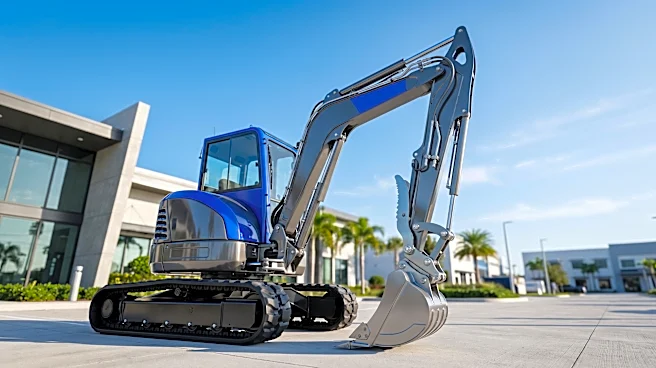
in civil infrastructure, commercial building, industrial facility management, and residential restoration across the Dallas-Fort Worth (DFW) communities, including Dallas, Irving, Arlington, and Plano. The company's inventory features heavy machinery such as excavators, skid steers, trenchers, and backhoes for ground operations, as well as aerial access machinery like scissor lifts, boom lifts, and bucket trucks for high-elevation tasks. Additionally, EZ Equipment Rental provides equipment for surface preparation and demolition, including high-CFM towable diesel air compressors and sandblasting pots. The company emphasizes strict maintenance routines, with all outgoing rental machinery undergoing mechanical inspections, safety checks, and operational testing before delivery or pickup. This dual model allows contractors and property managers to choose between purchasing equipment for long-term asset value or renting for job-specific needs, thereby managing capital allocation and equipment utilization rates more effectively.
Why It's Important?
This strategic expansion by EZ Equipment Rental is important for the U.S. construction and industrial sectors, particularly in the rapidly developing North Texas region. By offering both sales and rental options, the company addresses a critical need for flexibility in equipment acquisition, which can significantly impact project timelines and financial planning for businesses. For smaller contractors or those with fluctuating project demands, short-term rentals reduce the burden of long-term asset depreciation, maintenance overhead, and off-season storage costs. Conversely, the sales option caters to larger firms or those requiring core operational machinery for daily use, allowing them to build asset value. This dual approach fosters greater operational efficiency and cost-effectiveness within the industry, enabling businesses to scale their machine capacity precisely according to contract timelines. The availability of well-maintained and diverse equipment also contributes to the timely completion of infrastructure and construction projects, supporting regional economic growth and development.
What's Next?
The implementation of this dual sales and rental model by EZ Equipment Rental is expected to continue to evolve based on market demand and technological advancements in construction equipment. The company will likely focus on optimizing its inventory to meet the specific needs of the North Texas market, potentially expanding its range of specialized tools and machinery. Furthermore, as the construction industry increasingly adopts digital solutions, EZ Equipment Rental may explore enhancing its online platforms for equipment booking, tracking, and maintenance scheduling to streamline operations for its clients. The success of this model could also encourage other equipment providers in the U.S. to adopt similar flexible offerings, leading to a more competitive and service-oriented rental and sales market. Continuous investment in maintenance and safety protocols will remain crucial to ensure equipment reliability and customer satisfaction, reinforcing the company's position in the regional market.
Beyond the Headlines
The shift towards flexible equipment acquisition models, as demonstrated by EZ Equipment Rental, reflects a broader trend in the U.S. business landscape where companies are seeking to optimize resource allocation and minimize capital expenditure. This approach can have significant long-term implications for supply chain management and operational resilience in industries heavily reliant on specialized machinery. By reducing the financial barriers to accessing high-quality equipment, such models can empower smaller businesses and startups to compete more effectively, fostering innovation and economic dynamism. Moreover, the emphasis on rigorous maintenance and safety checks for rental equipment highlights a growing industry commitment to operational safety and regulatory compliance. This not only protects workers but also enhances the overall quality and longevity of infrastructure projects, contributing to sustainable development. The ability to adapt to varying project scales and durations through such flexible models is becoming a key differentiator in a competitive market, influencing how businesses plan for growth and manage risk.