

What's Happening?
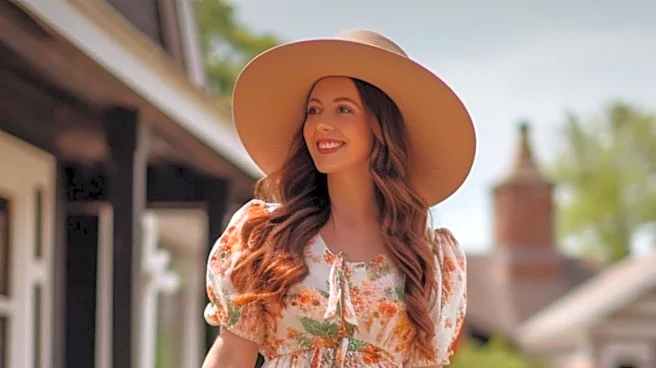
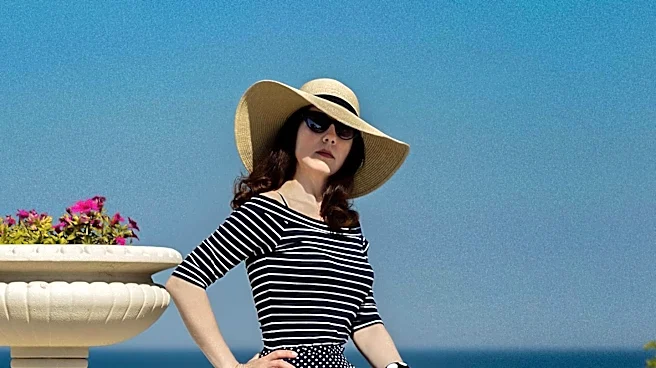
Resort wear, traditionally associated with tropical getaways and leisurely vacations, is undergoing a significant transformation, becoming a versatile and everyday fashion choice. Originally designed for comfort and style in holiday settings, featuring
lightweight fabrics, bold colors, and adaptable designs, it now serves a broader purpose. This shift means resort wear is no longer confined to beachside cabanas or evening cocktails on vacation. Instead, it is increasingly adopted for various daily occasions, including casual lunch dates and long-haul flights. The core appeal remains its effortless fit and the ability to transition seamlessly between different environments while maintaining a sense of holiday energy. Key elements of modern resort wear include versatile dresses, lightweight tops and bottoms that can be mixed and matched, and stylish swimwear with complementary cover-ups, all emphasizing comfort and breathability.
Why It's Important?
The evolution of resort wear into an everyday fashion category signifies a broader trend in consumer preferences towards comfort, versatility, and a relaxed aesthetic in daily attire. This shift impacts the U.S. fashion industry by expanding the market for brands that traditionally focused on vacation-specific clothing, encouraging them to innovate and offer more adaptable collections. Retailers may see increased demand for items that blend casual ease with sophisticated style, moving away from strictly formal or occasion-specific garments. For consumers, it offers more practical and comfortable options for their daily wardrobes, blurring the lines between leisurewear and everyday fashion. This trend also reflects a desire for clothing that evokes a sense of relaxation and escape, even in non-holiday settings, potentially influencing design philosophies across the fashion sector to prioritize feel-good fabrics and easy silhouettes.
What's Next?
The continued integration of resort wear into everyday fashion suggests that designers and brands will likely further expand their collections to cater to this growing demand. Consumers can expect to see more versatile pieces that can be dressed up or down, suitable for a wider range of activities beyond just vacations. This may lead to an increase in hybrid clothing items that combine the comfort of resort wear with the functionality required for daily life. Fashion retailers might also adjust their merchandising strategies, promoting resort wear as a year-round category rather than seasonal. Furthermore, there could be a greater emphasis on sustainable and breathable fabrics, aligning with both the comfort aspect of resort wear and increasing consumer awareness regarding environmental impact. The trend is expected to solidify resort wear's position as a staple in contemporary wardrobes, influencing future fashion cycles.
Beyond the Headlines
This shift in resort wear reflects a deeper cultural movement towards prioritizing well-being and a more relaxed lifestyle, even amidst daily routines. The desire to infuse 'holiday energy' into everyday dressing suggests a psychological need for comfort and escapism in a fast-paced world. Ethically, this trend could encourage the fashion industry to focus more on durable, versatile pieces that reduce the need for extensive, single-use wardrobes, potentially contributing to more sustainable consumption patterns. Legally, there are no direct implications, but the broader acceptance of casual attire in various settings might subtly influence workplace dress codes over time. Culturally, it signifies a blurring of boundaries between work, leisure, and personal life, where clothing choices increasingly reflect a holistic approach to personal comfort and expression rather than strict adherence to traditional dress codes.