



What's Happening?
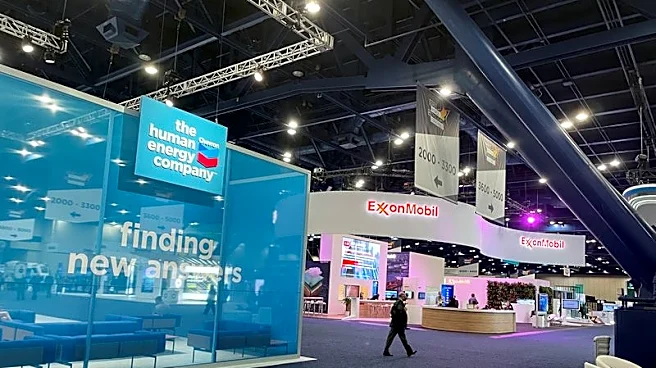
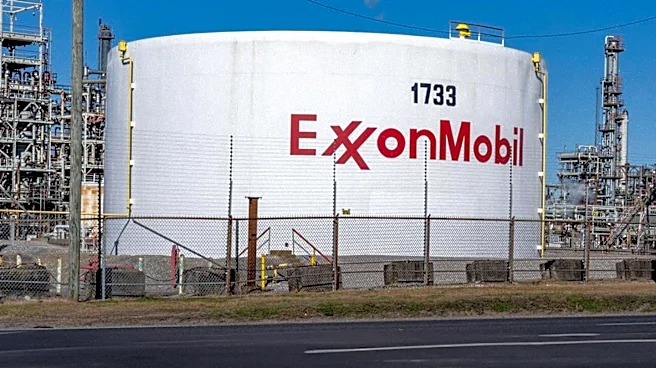
ExxonMobil and Chevron have reported a combined $26.5 billion in profits for the second quarter, driven by high oil prices due to geopolitical tensions. ExxonMobil's CEO Darren Woods highlighted the company's strategic execution despite disruptions, while
Chevron's CEO Mike Wirth attributed their success to disciplined investment and strong production. These profits have drawn political scrutiny, with lawmakers questioning the companies' roles in the current economic climate and considering potential windfall profit taxes. The companies are cautious about reinvesting in new drilling due to market uncertainties.
Why It's Important?
The substantial profits reported by ExxonMobil and Chevron underscore the ongoing debate over energy prices and corporate responsibility. As consumers face high gas prices, these earnings have become a focal point for political discourse, particularly with upcoming elections. The situation highlights the tension between corporate profitability and consumer affordability, raising questions about the role of government intervention in regulating energy markets. The potential for windfall profit taxes reflects broader concerns about economic equity and the distribution of wealth generated from natural resources.
What's Next?
As political pressure mounts, ExxonMobil and Chevron may face increased scrutiny and potential regulatory actions. Lawmakers could push for policies aimed at reducing consumer costs, such as windfall profit taxes or incentives for alternative energy investments. The companies' future strategies will likely be influenced by both market conditions and political developments, with potential impacts on their investment decisions and public relations efforts.