



What's Happening?
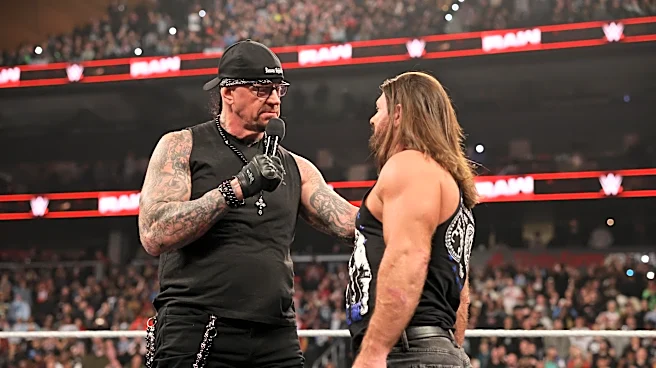
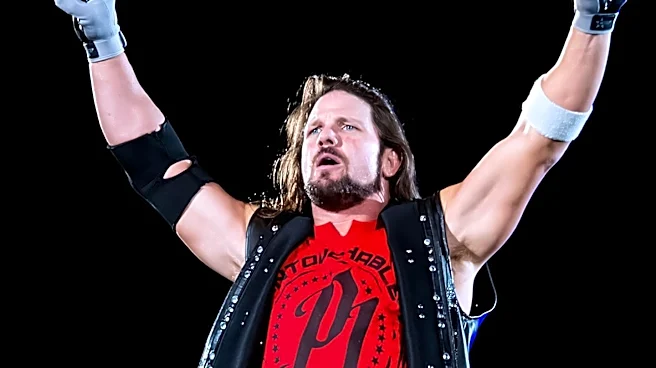
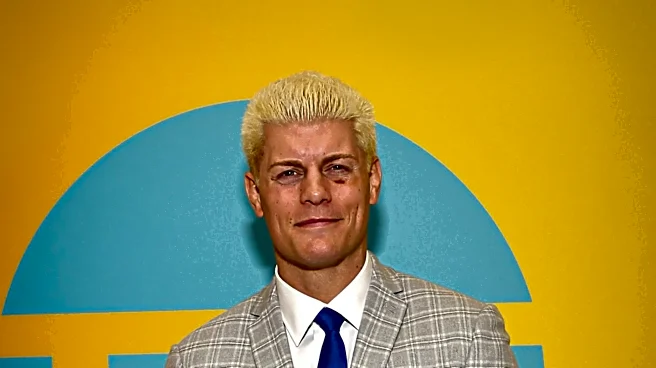
AJ Styles, a prominent WWE wrestler, has publicly shared his philosophy on how performers should approach disagreements with the company's creative direction. During an appearance on the 'What Do You Wanna Talk About?' podcast with Cody Rhodes, Styles stated
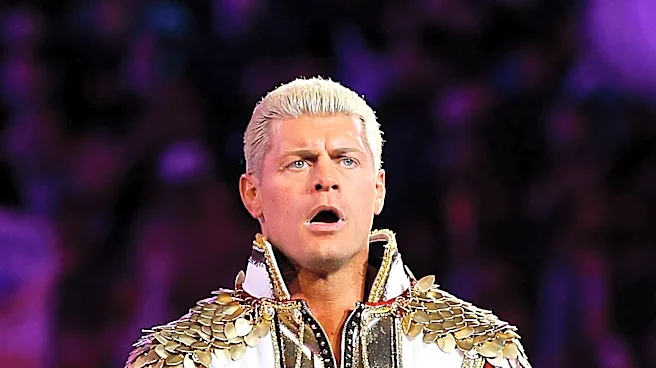
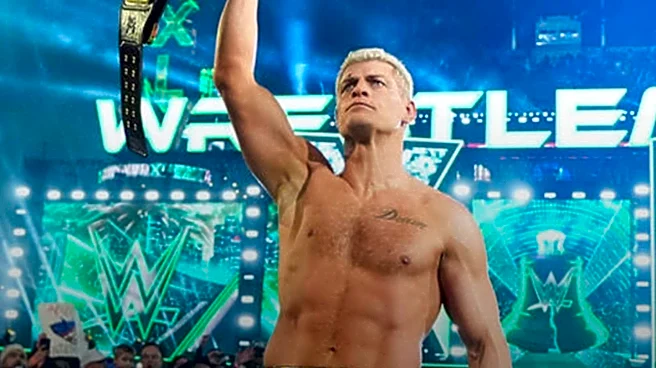
that wrestlers should refrain from complaining about creative ideas unless they can present a better alternative. He emphasized that it is the writers' responsibility to develop storylines and the performers' role to execute what is provided. Styles acknowledged that while some creative ideas might not be ideal, and a wrestler's own ideas might occasionally be superior, it doesn't guarantee their implementation. His comments highlight the balance between offering creative input and accepting the final decisions made by the creative team, underscoring the collaborative yet hierarchical nature of the WWE's creative process. Cody Rhodes echoed this sentiment, noting that he saves his strongest objections for issues he deems truly significant, viewing the overall process as a collaborative effort.
Why It's Important?
This perspective from a veteran like AJ Styles is significant for the professional wrestling industry, particularly within WWE, as it sheds light on the internal dynamics between talent and creative teams. It suggests a corporate culture where constructive feedback is valued, but mere dissent without viable solutions is discouraged. This approach could influence how younger wrestlers navigate their careers, potentially fostering a more solution-oriented mindset rather than one of simple grievance. For WWE, this philosophy, if widely adopted, could streamline the creative process and reduce internal friction, leading to more cohesive storytelling. Conversely, it might also be perceived by some as stifling creative freedom or discouraging genuine criticism if wrestlers feel their input is only welcome when accompanied by a fully formed alternative. The emphasis on execution over constant questioning could lead to a more unified on-screen product, but also risks overlooking potentially innovative ideas from talent if they struggle to articulate them as complete alternatives.
What's Next?
The public articulation of this philosophy by AJ Styles could influence how WWE talent approaches creative discussions moving forward. Wrestlers might be more inclined to develop concrete alternative ideas before voicing concerns, potentially leading to more structured and productive dialogues with the creative team. This could also set a precedent for how WWE management expects its talent to engage with creative decisions. It remains to be seen if this advice will be formally or informally adopted as a guideline within the company, or if it will simply remain a personal philosophy shared by Styles. Future interviews or discussions with other WWE talent might reveal varying perspectives on this approach, indicating whether it resonates broadly or is met with differing opinions regarding creative autonomy and collaboration within the wrestling industry.
Beyond the Headlines
The discussion around creative input in professional wrestling extends beyond mere storyline development; it touches upon the broader themes of artistic control, employee agency, and corporate structure within entertainment industries. Styles' advice, while practical for a large organization like WWE, also raises questions about the balance between a performer's artistic vision and the company's overarching creative direction. In an industry where character portrayal and narrative are paramount, the ability of talent to genuinely influence their on-screen personas can be crucial for their long-term engagement and the authenticity of their performances. This dynamic is not unique to wrestling but is prevalent in many creative fields where individual artists operate within a corporate framework. The tension between individual creativity and corporate mandates is a constant challenge, and Styles' comments offer a glimpse into one veteran's strategy for navigating this complex professional landscape.