







What's Happening?
The Mediterranean diet is being widely recommended for seniors due to its proven benefits for longevity, heart health, and cognitive function. This eating pattern, unlike restrictive fad diets, is a flexible lifestyle built around whole foods, healthy
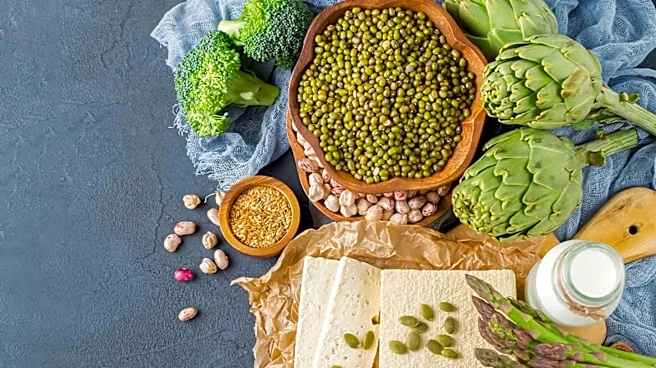
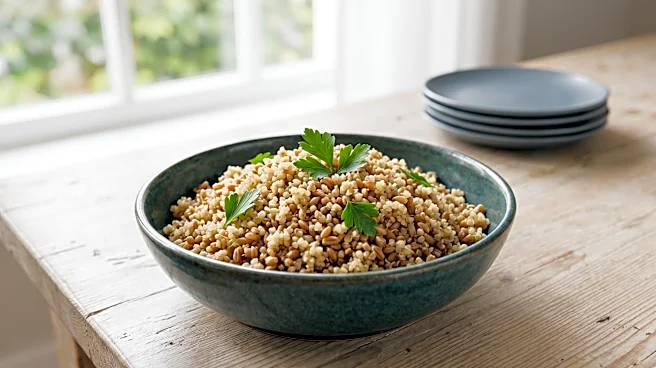
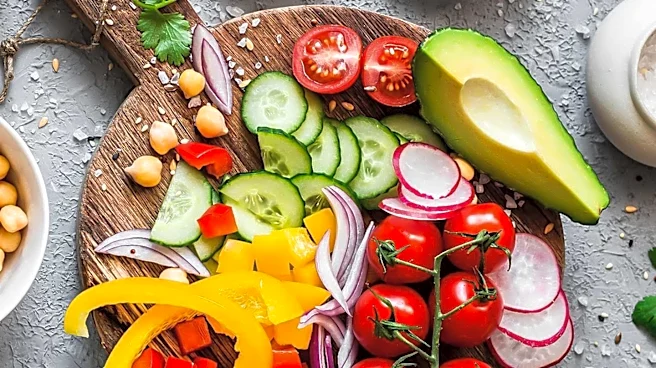
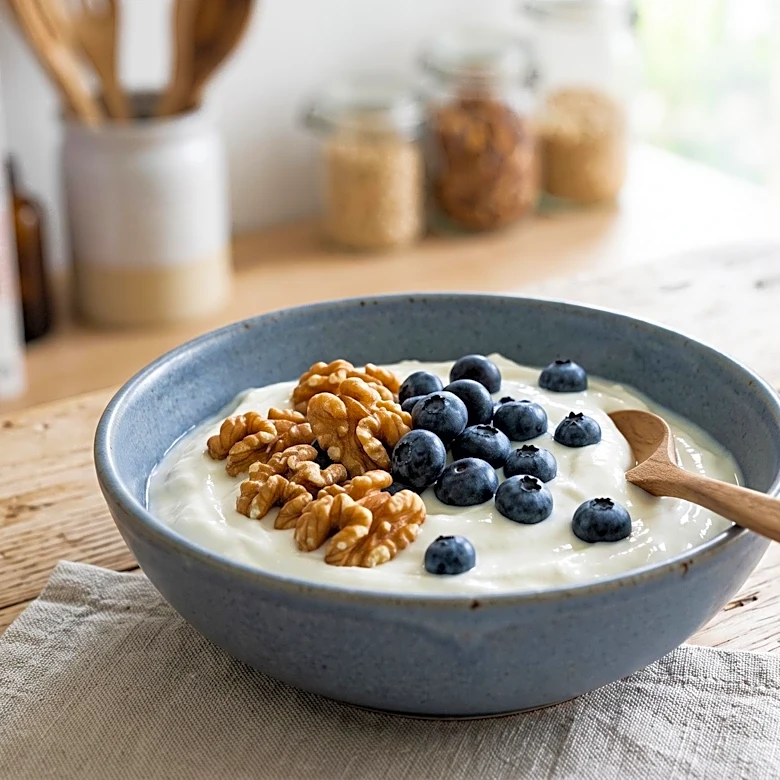
fats, and shared meals. It emphasizes vegetables, fruits, legumes, whole grains, olive oil as the primary fat source, and fish and seafood several times a week. Poultry, eggs, and dairy are consumed in moderation, while red meat and sweets are reserved for occasional treats. Research consistently shows strong benefits for aging bodies and minds, including supporting healthier cholesterol levels, managing blood pressure, and reducing inflammation. The diet's flexibility allows for adaptation to various dietary restrictions, making it suitable for seniors with conditions like diabetes or low-sodium needs.
Why It's Important?
The promotion of the Mediterranean diet for seniors is crucial for addressing the increasing health challenges faced by the aging U.S. population, particularly concerning cardiovascular and cognitive health. As cardiovascular risk naturally rises with age, this eating pattern offers a scientifically backed approach to mitigate these risks by replacing saturated fats with healthier alternatives and reducing processed food intake. The diet's anti-inflammatory properties are vital in combating conditions like arthritis, which are common among seniors. Furthermore, the link between diet quality and cognitive health, with studies associating this pattern with slower rates of cognitive decline, highlights its significance in maintaining mental acuity in later life. This approach also emphasizes the social aspect of eating, which is important for overall well-being and can combat isolation among seniors, making it a holistic strategy for healthy aging.
What's Next?
Healthcare providers and senior living communities, such as Avalina Senior Living, are increasingly integrating Mediterranean diet principles into their nutritional guidance and meal programs. Seniors and their families are encouraged to adopt this eating pattern gradually, starting with small, manageable changes like swapping butter for olive oil or incorporating more fish and vegetables. Educational initiatives will likely continue to highlight the affordability and adaptability of the diet, dispelling misconceptions about expensive ingredients. Dietitians and doctors will play a key role in tailoring the diet to individual health needs and restrictions. The ongoing research into the connection between diet and brain health will further solidify the Mediterranean diet's role as a cornerstone of healthy aging strategies, potentially leading to more widespread adoption in public health recommendations and senior care facilities.
Beyond the Headlines
The growing emphasis on the Mediterranean diet for seniors reflects a broader societal shift towards preventive healthcare and holistic well-being in the U.S. Beyond its direct health benefits, this dietary approach challenges the conventional American diet, which often relies heavily on processed foods and red meat. Its adoption could lead to significant long-term public health improvements, potentially reducing the burden of chronic diseases and healthcare costs associated with an aging population. The diet's focus on whole, unprocessed foods also has environmental implications, promoting sustainable eating practices and supporting local agriculture. Culturally, it encourages a return to shared meals and mindful eating, fostering community connections and a healthier relationship with food, which are often overlooked aspects of nutritional well-being in modern society.