







What's Happening?
The wellness tourism sector is undergoing a significant transformation, moving beyond traditional relaxation-focused experiences to embrace healthy aging as a core imperative. This shift was a prominent theme at the 2026 MedFit Global Virtual Conference,
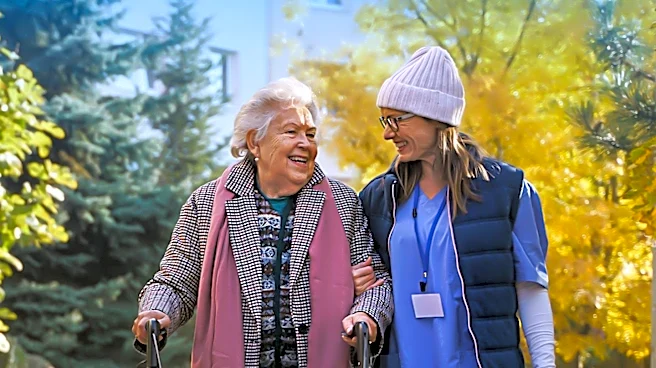
where industry leaders discussed the growing role of movement, prevention, and lifestyle interventions in supporting healthier lives. Colin Milner, CEO of the International Council on Active Aging, challenged the assumption that aging is primarily a story of decline, presenting research that indicates many older adults can maintain or even improve cognitive and physical function. Wellness destinations, resorts, spas, fitness operators, and longevity-focused brands are recognizing that older adults seek to remain active, engaged, independent, and connected, rather than just managing age-related challenges. This evolution is redefining wellness to emphasize maintaining function, preserving quality of life, and creating supportive environments for long-term well-being, influenced by biology, systems, environments, and positive perceptions of aging.
Why It's Important?
This evolution in the wellness tourism sector holds significant implications for the U.S. economy and society. As the U.S. population ages, there is a growing market for services that support healthy aging. This shift can stimulate economic growth within the hospitality, fitness, and healthcare industries, creating new jobs and investment opportunities. For older Americans, it means access to more comprehensive and proactive wellness experiences that can genuinely enhance their quality of life, potentially reducing healthcare costs associated with age-related decline. By promoting active and engaged lifestyles, these initiatives can also foster greater social connection and independence among seniors, addressing issues like loneliness and isolation. The emphasis on positive beliefs about aging, as highlighted by the research, could also lead to a broader cultural shift, empowering older adults and challenging societal stereotypes.
What's Next?
The wellness tourism sector is expected to continue integrating evidence-based lifestyle practices into its offerings, focusing on movement, nutrition, social connection, and stress management. This will likely lead to the development of new programs and facilities designed specifically for healthy aging. Collaboration between wellness brands, healthcare providers, and fitness operators is anticipated to create more holistic and effective interventions. The industry will also likely invest in research to further understand the needs and preferences of older adults, ensuring that services are tailored to support vitality across all life stages. Furthermore, as healthy aging becomes a global priority, there may be increased demand for certifications and standards within the wellness industry to ensure the quality and efficacy of these new offerings.
Beyond the Headlines
The redefinition of wellness to prioritize quality of life over mere longevity reflects a deeper societal aspiration: to live well, not just long. This philosophical shift has profound implications for how individuals perceive their own aging process and how communities are designed. It moves beyond a purely medical model of aging to embrace a more holistic, person-centered approach that values independence, engagement, and personal fulfillment. This could lead to a re-evaluation of urban planning, public spaces, and technological innovations to better support active aging. The focus on positive beliefs about aging also touches upon the psychological and emotional dimensions of well-being, suggesting that mental and emotional health are as crucial as physical health in the pursuit of a fulfilling later life. This broader perspective could inspire intergenerational initiatives and policies that foster a more inclusive and age-friendly society.