


What's Happening?
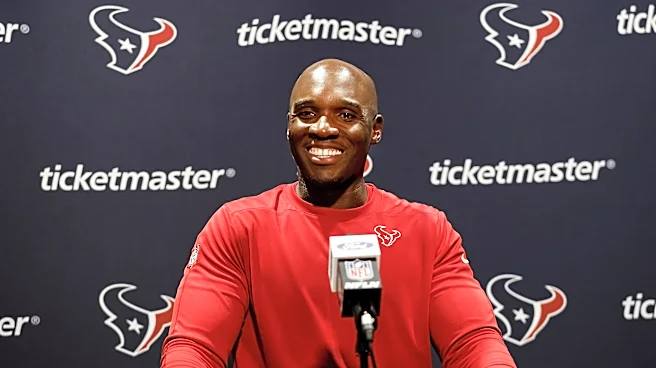
The Houston Texans, in collaboration with LOVB Houston and Lone Star Sports & Entertainment, have announced a partnership with Bilt to launch a new year-round rewards membership app for fans. This initiative, powered by Bilt Neighborhood OS, aims to enhance
the connection between the teams and their supporters by offering personalized benefits and experiences. Cal McNair, Chair and CEO of the Texans and Chair and Governor of LOVB Houston, emphasized the organization's commitment to evolving and strengthening fan connections beyond game days. The app will integrate existing fan experience, payments, and loyalty systems with Bilt's extensive network of over 8 million members and 50,000 merchant partners. Key features will include membership benefits, exclusive offers on concessions and merchandise, and dining or travel experiences within Bilt’s network. Fans will also gain access to an AI-powered Fan Concierge and a digital Neighborhood Pass for benefits at participating Houston businesses following team victories or special events. The launch date for the app has not yet been announced.
Why It's Important?
This partnership signifies a strategic move by the Houston Texans and LOVB Houston to deepen fan engagement and create a more integrated fan experience. By extending benefits beyond game days, the teams aim to foster a stronger, year-round relationship with their season ticket members and broader fan base. The collaboration with Bilt, a company known for its rewards platform, introduces an innovative approach to fan loyalty programs, leveraging technology to deliver personalized value. For local businesses in Houston, the initiative presents new opportunities for engagement and increased patronage, as fans will be incentivized to utilize the app for various services and purchases. This model could set a new standard for how professional sports organizations interact with their communities and drive economic activity, transforming fan loyalty into tangible benefits for both supporters and local economies. The integration of an AI-powered concierge also highlights a trend towards more sophisticated, data-driven fan engagement strategies in the sports industry.
What's Next?
The next step involves the official launch of the new fan rewards membership app, which is currently awaiting an announced date. Following its release, the focus will be on integrating the app into the daily lives of Texans and LOVB Houston fans, encouraging adoption and active participation. The success of the app will likely be measured by fan engagement metrics, the utilization of personalized benefits, and the economic impact on participating local businesses. Stakeholders, including team management, Bilt, and local merchants, will monitor feedback and usage patterns to refine the app's features and offerings. There is potential for other sports organizations to observe this partnership as a case study for enhancing fan loyalty and community involvement through technology. The ongoing development of the AI-powered Fan Concierge will also be crucial in delivering a seamless and personalized experience, potentially leading to further innovations in fan interaction within the sports industry.
Beyond the Headlines
This partnership extends beyond a simple rewards program, representing a broader shift in how sports franchises view and cultivate their fan bases. It underscores the increasing importance of digital platforms and personalized experiences in maintaining fan loyalty in a competitive entertainment landscape. The integration of Bilt's nationwide network suggests a future where fan engagement is not confined to the stadium but extends into everyday consumer activities, blurring the lines between sports fandom and lifestyle. Ethically, the collection and use of fan data for personalized experiences will be a key consideration, requiring transparency and robust privacy measures. Culturally, this initiative could foster a stronger sense of community among fans and local businesses, creating a symbiotic relationship where team success directly benefits the local economy. This model could also influence public policy discussions around local business support and community development through sports partnerships, potentially inspiring similar initiatives in other cities and industries.