








What's Happening?
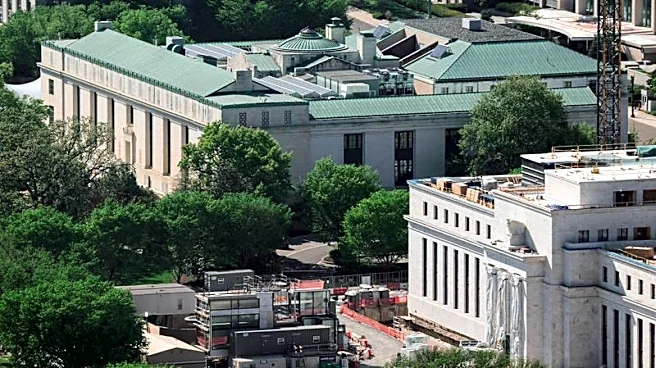
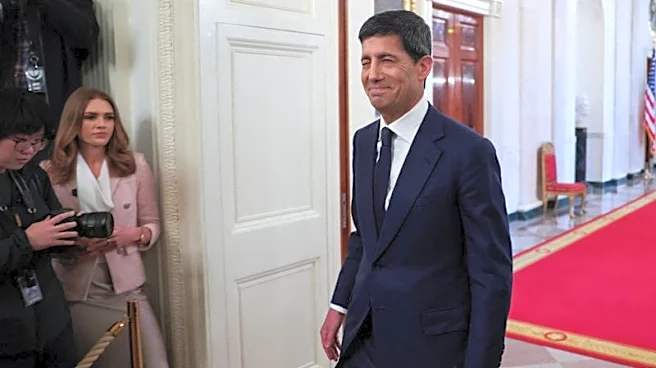
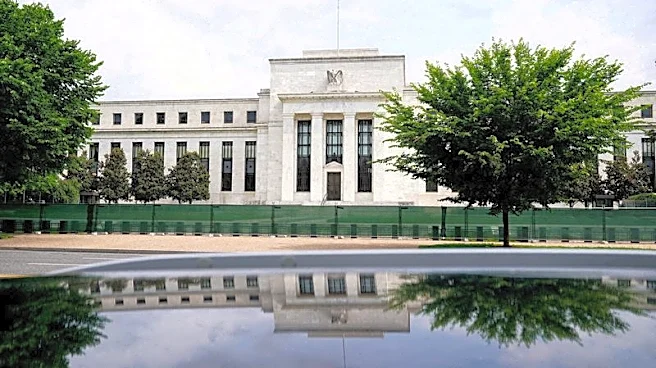
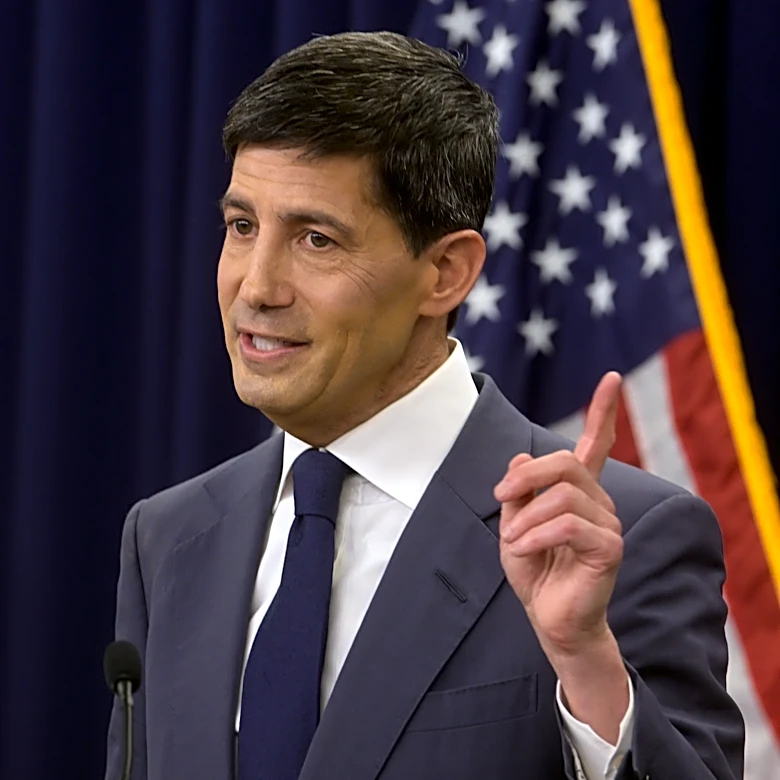
The Federal Reserve, under the new leadership of Chairman Kevin Warsh, has decided to keep its benchmark interest rate steady, despite inflation reaching its highest level in over three years. This decision marks Warsh's first rate decision since being
nominated by President Trump. The Fed's decision comes amid a wartime spike in energy prices, which has made rate cuts unfeasible. Updated forecasts from the rate-setting committee suggest a potential interest rate increase by a quarter percentage point later this year, a shift from previous expectations of a rate cut. The Fed's statement highlighted concerns about rising prices, particularly due to supply shocks affecting sectors like energy. Consumer prices rose by 4.2% in May compared to the previous year, the largest annual increase since April 2023.
Why It's Important?
The Federal Reserve's decision to hold interest rates steady is significant as it reflects the central bank's cautious approach in balancing inflation control with economic growth. The ongoing U.S. conflict with Iran has disrupted oil supplies, leading to increased gasoline prices, which complicates the economic outlook. While the Fed aims to curb inflation, its tools are limited in addressing supply-side shocks. The decision also indicates a shift in monetary policy expectations, with potential rate hikes on the horizon. This could impact borrowing costs for consumers and businesses, influencing economic activity. The presence of former Chairman Jerome Powell on the Fed's board serves as a stabilizing factor against potential political pressures for lower rates.
What's Next?
Looking ahead, the Federal Reserve may consider raising interest rates if inflationary pressures persist. The central bank will continue to monitor economic indicators, including job market improvements and core inflation rates, which exclude volatile energy and food prices. The Fed's future actions will likely depend on the resolution of geopolitical tensions and their impact on energy prices. Stakeholders, including investors and policymakers, will closely watch the Fed's moves, as any rate changes could have significant implications for the U.S. economy. The Fed's commitment to price stability suggests a cautious approach to monetary policy adjustments in the coming months.